
Motor Control Systems
You reach for a glass of water without thinking about the complex electrical storm occurring inside your skull. Your brain manages this fluid motion by translating abstract intentions into precise physical actions across your nervous system. This process feels effortless, yet it requires a massive coordination effort between distant brain regions and your muscles. Understanding how you move reveals the hidden mechanics of your physical reality and your conscious control over the world.
The Architecture of Voluntary Movement
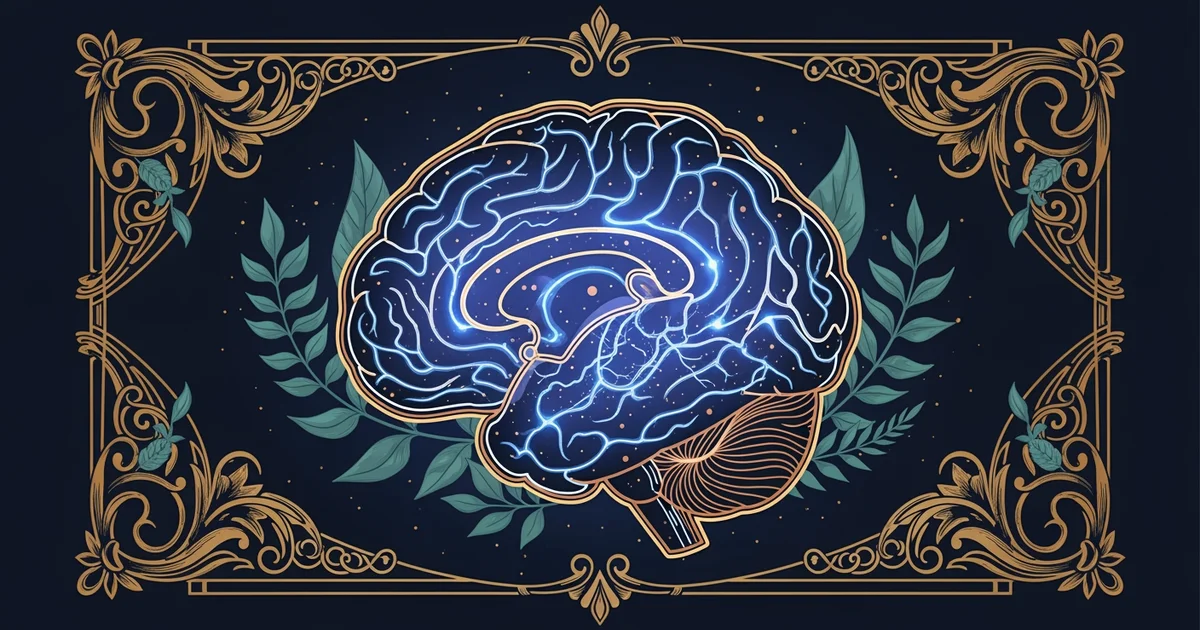
Your brain initiates movement through a highly structured pathway that begins in the frontal lobe. The motor cortex acts as the primary command center, sending electrical signals down the spinal cord to trigger specific muscle contractions. This region contains a map of your entire body, where different areas correspond to movements in your hands, legs, or face. When you decide to move, neurons in the motor cortex fire in a specific sequence to execute that intention. This signal travels rapidly, ensuring that your physical response matches your mental plan almost instantaneously.
Think of your motor system like a large shipping company managing global logistics for millions of packages. The motor cortex serves as the central headquarters that issues orders for specific deliveries to be made. The spinal cord acts as the main transit highway that carries these orders to the local delivery branches. Finally, your muscles function as the delivery drivers who carry out the actual physical task of moving the cargo. If the central office sends the wrong address, the delivery driver cannot complete the job, leading to a failure in movement.
Coordination and Neural Feedback Loops
Beyond the primary motor command, your brain uses complex feedback loops to refine and smooth out every action you perform. The cerebellum sits at the base of your brain, acting as the ultimate quality control manager for all your physical movements. It constantly compares your intended motion against the actual sensory feedback coming back from your limbs and joints. If your hand moves slightly off course while reaching for a glass, the cerebellum detects this error and sends an immediate correction signal. This constant adjustment ensures that your movements remain fluid, accurate, and perfectly timed for the task at hand.
To manage this flow of information, the brain utilizes several distinct processing stages to ensure movement occurs safely and accurately:
- The motor cortex generates the initial plan for movement by calculating the necessary force and direction for the limb.
- The basal ganglia act as a gatekeeper that filters out unwanted movements to ensure only the intended action occurs.
- The cerebellum receives sensory data from the body to adjust the movement in real time for maximum accuracy.
This division of labor allows you to perform complex tasks like typing or walking without needing to focus on every single muscle fiber. While the motor cortex provides the "what" and "where" of the movement, the cerebellum and basal ganglia provide the "how" and the "when" to keep everything running smoothly.
| Brain Region | Primary Role | Impact on Movement |
|---|---|---|
| Motor Cortex | Planning | Initiates the signal |
| Basal Ganglia | Filtering | Prevents jerky motion |
| Cerebellum | Correction | Smoothes the action |
Key term: Motor cortex — the outer layer of the brain that generates electrical impulses to control voluntary muscle movement throughout the body.
By integrating these regions, your brain manages a continuous stream of data that keeps your body moving in harmony with your environment. The motor cortex sets the goal, the basal ganglia keep the process clean, and the cerebellum ensures the final execution is precise. This intricate dance of neurons is what allows you to interact with the world through your own physical agency.
Physical movement emerges from a coordinated hierarchy where the brain plans, filters, and refines electrical signals to execute precise actions.
The next Station introduces neural network dynamics, which determines how these individual brain regions communicate to form complex thought patterns.