
Mapping Brain Regions
Imagine you are trying to organize a massive library where every single book has a specific place to ensure things run smoothly. Your brain functions in a similar way because it divides complex tasks into distinct physical areas that manage your daily life. When you reach for a glass of water, different parts of your brain talk to each other to coordinate that simple motion. This biological division of labor allows you to process sensory input and execute actions without feeling overwhelmed by the sheer volume of incoming data. Understanding how these regions function helps us see how physical tissue creates your conscious experience of the world.
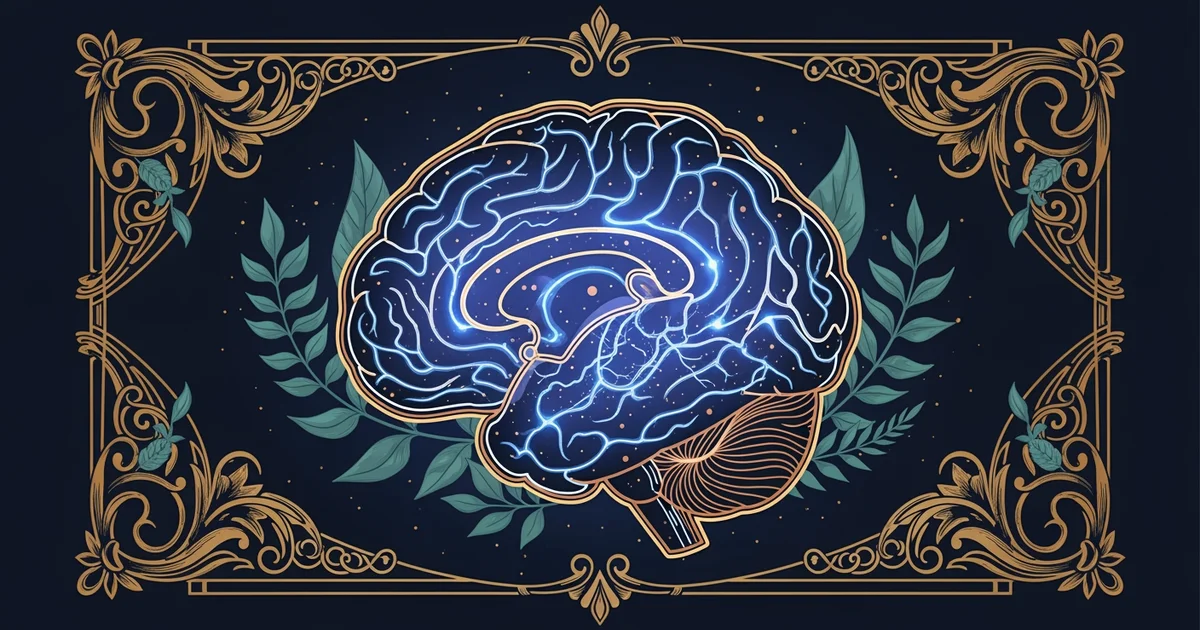
Mapping the Functional Lobes
The cerebral cortex is divided into four main sections known as lobes, each serving unique roles in your cognitive processing. The frontal lobe sits at the front of your head and handles high-level functions like planning, decision-making, and your personality. You can think of the frontal lobe as the executive manager of a large company who oversees all major projects. Behind that, the parietal lobe processes sensory information like touch, temperature, and pain from different parts of your body. These regions work together to ensure that your perception of the physical world matches your current physical position and environment.
Key term: Lobes — the distinct physical sections of the cerebral cortex that specialize in processing different types of sensory data and cognitive tasks.
Continuing toward the back of the head, the occipital lobe is dedicated almost entirely to interpreting visual information from your eyes. It takes raw light signals and turns them into the images you recognize as faces, objects, or moving scenery. Finally, the temporal lobe sits near your ears and handles auditory input, language comprehension, and memory storage. These four regions do not work in isolation, but they provide the necessary structure for the brain to perform specialized tasks efficiently. Without this regional specialization, your brain would struggle to prioritize the massive amount of information it receives every single second of the day.
Coordinating Regional Brain Activity
To understand how these regions interact, we can look at how they manage specific cognitive duties through constant communication. The following list details how these areas handle information during a standard task like reading a book aloud:
- The occipital lobe processes the shapes and colors of the letters on the page to identify the words.
- The temporal lobe translates those visual shapes into language and helps you understand the meaning of the written sentences.
- The frontal lobe coordinates the motor commands that allow your mouth and tongue to speak the words clearly.
- The parietal lobe helps you maintain your posture and spatial awareness while you sit to read the book.
This division of labor is essential because it allows the brain to optimize energy usage by delegating specific jobs to trained neural circuits. If one area were responsible for every single task, the brain would become too slow and inefficient for survival. By splitting the work, the brain remains fast and responsive to sudden changes in your environment. You can compare this to a city power grid where different stations manage electricity for specific neighborhoods to prevent a total system failure during high demand. This modular design is why you can perform multiple tasks, like walking and talking, without needing to think about each individual movement.
| Brain Lobe | Primary Function | Input Type Processed |
|---|---|---|
| Frontal | Executive Control | Planning and Logic |
| Parietal | Sensory Mapping | Touch and Pressure |
| Occipital | Visual Analysis | Light and Patterns |
| Temporal | Auditory Memory | Sound and Language |
This table illustrates the functional specialization of the human brain by mapping the physical location to the cognitive output. Each row represents a core area that must function correctly for you to interact with the world in a meaningful way. When these regions communicate effectively, your brain creates a seamless experience of reality that feels like a single, unified event. If you damage one of these regions, the specific function associated with that area often suffers while others remain intact. This observation is exactly how researchers first mapped the brain to understand its complex structure and hidden internal organization.
The physical structure of the brain relies on specialized regions that work together to turn raw sensory data into a unified human experience.
Now that we know where these functions live, we must explore how the electrical signals actually jump between these regions to keep your mind active.