
Neuroplasticity Mechanisms
Imagine your brain as a busy city where roads are constantly being built or torn down. Every time you learn a new skill, your brain clears a path for the information to flow faster. This physical change is the foundation of how you grow and adapt to new challenges every day. The brain does not stay the same from birth until death, because it must evolve to handle the changing demands of your life.
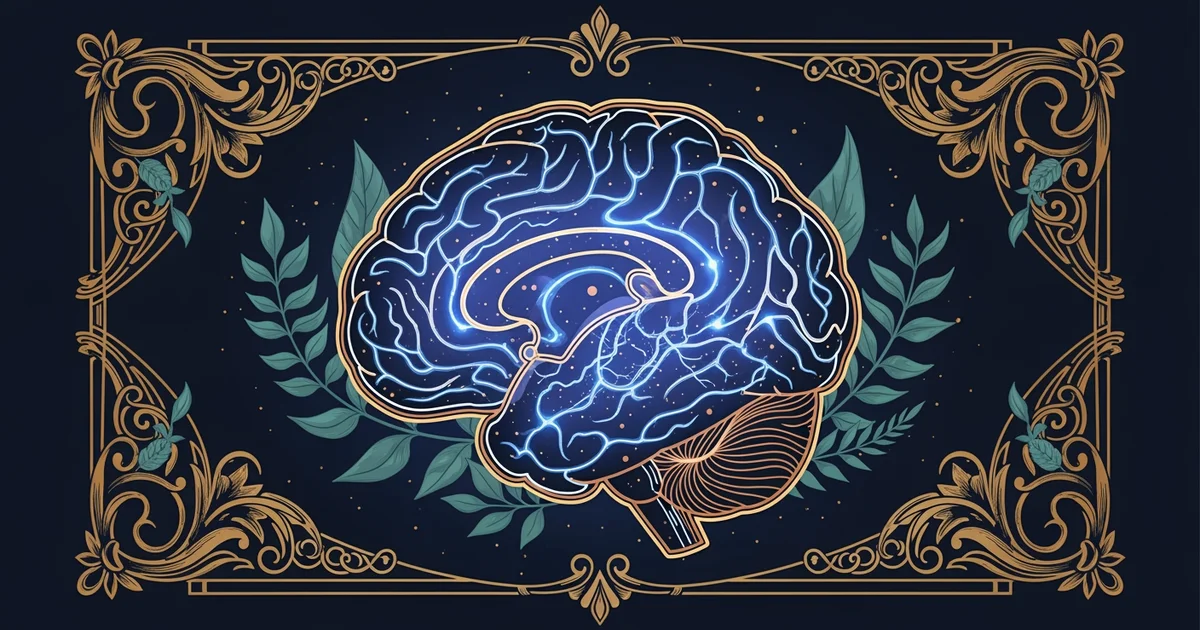
The Architecture of Neural Change
Your brain changes through a process called neuroplasticity, which allows neural pathways to adjust their strength based on your experiences. Think of this like a busy highway system that adds more lanes when traffic increases to prevent long delays. When you repeat an action, the connections between your neurons become more efficient at sending electrical signals across the gap. This efficiency happens because the brain physically alters the structure of these connections to ensure that important information travels without any signal loss. If you stop practicing a skill, the brain might remove those extra lanes to save energy for other tasks. This constant cycle of building and pruning keeps your mental city efficient and ready for new learning opportunities.
Key term: Neuroplasticity — the lifelong ability of the brain to reorganize its physical structure by forming new neural connections.
Mechanisms of Synaptic Strengthening
Communication between neurons occurs at a small junction called a synapse, where chemical signals jump from one cell to the next. When you learn something new, the synapse undergoes changes that make the transfer of information much faster and more reliable over time. The brain uses several methods to strengthen these bridges so that your thoughts become more fluid and automatic. Consider the following ways your brain physically reinforces these critical pathways during the learning process:
- Synaptic scaling adjusts the overall sensitivity of the receiving neuron so it can better detect weak incoming signals from other active cells.
- Receptor density increases when the receiving cell adds more docking stations for chemical messengers to ensure no signal is ever missed or lost.
- Myelination provides a protective fatty coating around the long wires of the neuron to speed up the electrical impulses traveling through your brain.
These physical adjustments mean that your brain is not just a static organ but a dynamic system that responds to your environment. By physically changing its structure, the brain ensures that the skills you use most often become easier to perform while unused connections eventually fade away. This process is essential for everything from learning a new sport to picking up a musical instrument. Your brain effectively manages its limited resources by prioritizing the pathways that you engage with most frequently throughout your life.
Adapting to New Demands
Beyond just strengthening existing paths, your brain can also create entirely new connections to support complex thoughts and behaviors. When you encounter a novel situation, your brain works to map out the new information by linking it to what you already know. This is why learning becomes easier as you gain more experience, since you have a larger foundation of established paths to build upon. The brain acts like a city planner who must constantly update the map to accommodate new traffic patterns or residential growth. This flexibility allows you to recover from injuries or adapt to entirely new environments by rerouting signals around damaged or unused areas. The physical matter of your brain is essentially a living record of your personal history and the choices you have made.
The physical structure of your brain constantly updates itself by strengthening frequently used connections and pruning those that are no longer necessary for your daily life.
But how does the body maintain its internal balance while these physical changes are happening in the brain?