
Memory Formation
When you learned to ride a bicycle as a child, your brain performed a miracle of biological engineering to keep that skill for years. You did not just perform an action; you physically altered the structure of your brain to store that specific movement pattern. This process relies on the hippocampus, a small region deep within the temporal lobe that acts as a gatekeeper for new information. Much like a bank teller who decides which deposits stay in the vault and which are discarded, the hippocampus processes incoming sensory data to determine what becomes a lasting memory. This is the application of neural plasticity from earlier units, showing how your physical brain adapts to store your life experience.
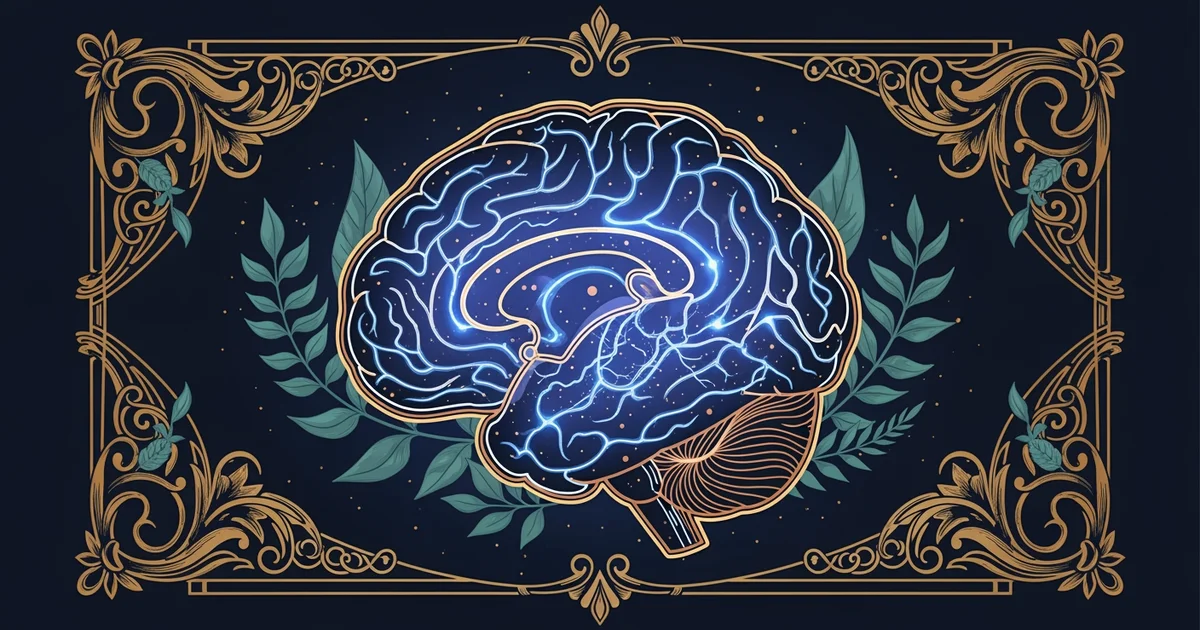
The Mechanism of Memory Consolidation
Memory formation begins when sensory input triggers electrical signals across your neural networks. These signals create temporary patterns of activity that fade quickly unless the brain reinforces them through repetition or emotional significance. The process of turning these fleeting signals into stable, long-term storage is called memory consolidation. Think of this like writing a document on a computer. The initial activity is like a file held in your active memory or random access memory. If you do not hit the save button, the information disappears when the power turns off. The hippocampus acts as the save button, moving data from temporary buffers into the more permanent storage of the cerebral cortex.
During sleep or periods of quiet reflection, the hippocampus replays these patterns of activity to strengthen the connections between neurons. This rehearsal allows the brain to solidify the physical pathways that represent the memory. Without this consolidation phase, your brain would remain cluttered with useless sensory noise. By filtering and stabilizing only the most relevant data, the hippocampus ensures that your mind maintains a clear and organized record of your past. This selective storage is essential for learning complex skills, as it allows you to build new knowledge upon a foundation of previous experiences.
Structural Changes in Neural Pathways
Once the consolidation process finishes, the memory resides in the cortex, where it becomes less dependent on the hippocampus for retrieval. This transition involves physical changes at the microscopic level, specifically at the junctions where neurons communicate. These junctions, known as synapses, become more efficient at transmitting signals whenever you recall a specific memory. Scientists call this phenomenon long-term potentiation, which describes how repeated stimulation makes a neural pathway stronger. If you study a topic repeatedly, you are physically thickening the connections between your brain cells to make the information easier to access later.
Key term: Synaptic plasticity — the biological ability of neural connections to strengthen or weaken over time based on the frequency of their activity.
To understand how these pathways function, consider the following stages of memory development:
- Encoding occurs when sensory systems capture information and translate it into a format the brain can store.
- Storage involves the maintenance of that encoded information over time through the physical restructuring of neural circuits.
- Retrieval happens when you access the stored information, which often triggers a reconstruction of the original neural activity pattern.
This cycle demonstrates that memory is not a static object but a dynamic process that requires active maintenance. Every time you retrieve a memory, you essentially rebuild it, which explains why memories can change or fade if they are not revisited frequently. This flexibility allows the brain to update its internal model of reality as you encounter new situations or information. By constantly refining these pathways, the brain ensures that your knowledge remains relevant to your current environment and needs.
| Memory Stage | Primary Function | Biological Location |
|---|---|---|
| Encoding | Captures new data | Sensory Cortex |
| Consolidation | Stabilizes patterns | Hippocampus |
| Storage | Long-term keeping | Cerebral Cortex |
This table highlights the division of labor within the brain during the lifecycle of a single memory. While the hippocampus is critical for the initial formation, the cortex provides the vast storage capacity required for a lifetime of learning. This partnership allows you to maintain a coherent sense of self despite the constant influx of new sensory experiences. Understanding this division helps explain why damage to the hippocampus often prevents the formation of new memories while leaving older, consolidated memories intact. Your ability to learn and adapt depends entirely on this efficient handoff between these two vital brain regions.
Memory formation functions as a biological filing system where the hippocampus acts as an initial filter that stabilizes information before it is archived in the permanent storage of the cerebral cortex.
But this model of memory storage faces a significant challenge when the brain attempts to distinguish between accurate recollections and false memories that feel just as real.