
Homeostasis Regulation
Your body maintains a steady internal state despite the constant chaos of the outside world. Think of your brain as a bank manager who must keep the vault balanced regardless of how many customers arrive at the door. This process, known as homeostasis, ensures that your vital systems stay within a narrow range for survival. Without this constant regulation, minor changes in temperature or oxygen levels would quickly become fatal threats to your health. Your brain stem serves as the command center for these automatic life support systems that function without your conscious input.
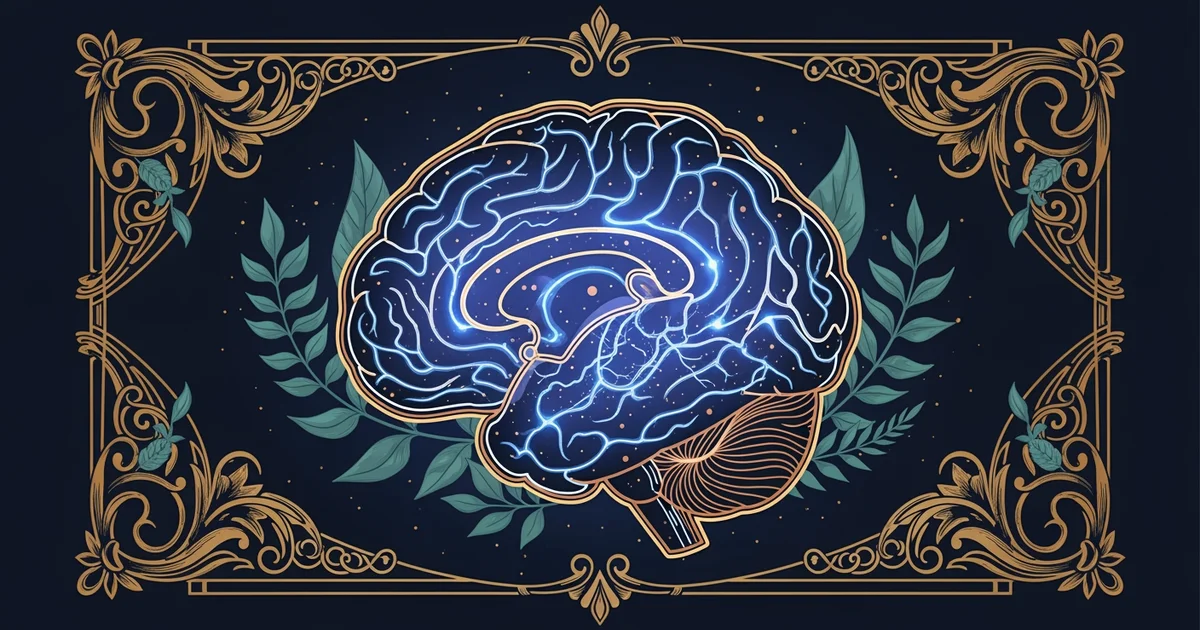
The Brain Stem Control Center
The brain stem acts as the primary gatekeeper for all signals traveling between your brain and body. It houses the medulla oblongata, a critical structure that manages basic life functions like heart rate and breathing. Imagine the medulla as an automated thermostat that constantly monitors the internal climate of your body. When the brain detects a rise in carbon dioxide levels, it commands the heart to beat faster to move oxygen. This automatic response ensures your tissues receive enough fuel to function correctly during periods of high activity. The brain stem does not wait for your permission to make these vital adjustments to your physiology.
Key term: Medulla oblongata — the lower part of the brain stem that controls involuntary life functions like breathing and heart rate.
This system relies on a feedback loop to keep your internal environment stable at all times. Sensors throughout your body send constant data to the brain stem regarding your current physical status. If your blood pressure drops, the brain stem triggers a response to tighten your blood vessels immediately. This process happens so quickly that you rarely notice the shift occurring inside your chest or limbs. You can compare this to a cruise control system in a car that adjusts fuel flow to maintain speed. The car automatically compensates for hills or wind to keep your velocity perfectly steady and safe.
Feedback Loops and Regulatory Systems
The regulation of these systems involves a complex series of chemical and electrical signals. Your body must balance various inputs to ensure that no single system becomes overwhelmed by stress. The following list outlines how the brain stem coordinates these essential tasks to keep you alive:
- The respiratory center adjusts your breathing rate by sensing the acidity of your blood to maintain proper gas balance.
- The cardiovascular center manages the force of your heart contractions to ensure consistent blood flow reaches your vital organs.
- The vasomotor center controls the diameter of your blood vessels to keep your blood pressure within a healthy range.
These centers work together to form a seamless network of control that manages your internal survival without any conscious effort. If one center detects an imbalance, it immediately coordinates with the others to restore your body to a stable state. This interconnected nature of the brain stem allows for rapid responses to sudden changes in your environment or activity level. By processing these signals in real time, the brain ensures that your internal conditions remain optimal for your survival.
Maintaining this balance requires a constant flow of information between your organs and your central nervous system. Your brain stem translates these biological needs into physical actions like lung expansion or blood vessel constriction. This mechanical process is the foundation for every conscious thought you have throughout your day. If the brain stem failed to manage these basics, your body would lack the stability needed for higher brain functions. Your ability to learn and think depends entirely on this silent, steady work performed by your brain stem.
Homeostasis regulation relies on the brain stem to process internal data and trigger automatic physical adjustments that keep your body within a stable survival range.
But what does this process look like when we shift our focus from basic survival to the way we store and recall our life experiences?