
Future Agricultural Trends
Rising global temperatures force farmers to rethink how they manage their land and their crops. Imagine trying to grow a garden in a climate that shifts its rules every single year. You must adapt your methods to survive these unpredictable changes or face total harvest failure. This station explores how we can build a resilient food system despite the pressures of a changing environment.
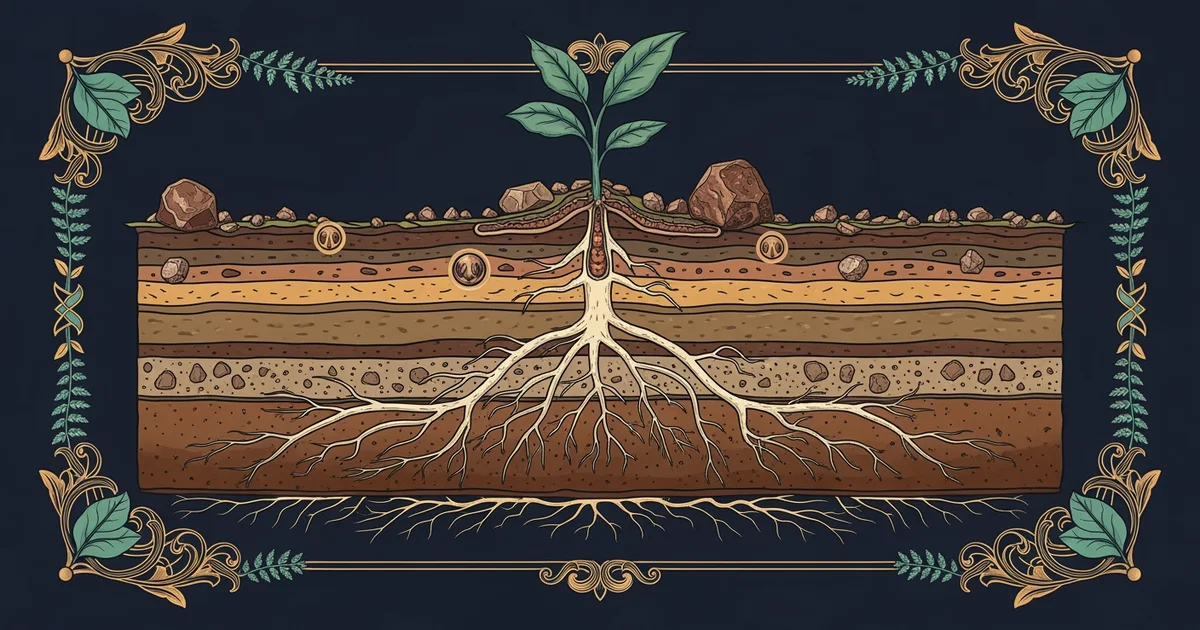
Adapting Crops for Climate Resilience
Modern agriculture relies on specific plant varieties that thrive in stable, predictable weather patterns. Climate change disrupts these patterns by causing extreme heat, unexpected droughts, and shifting rainfall cycles. Scientists now focus on genetic modification to create crops that tolerate these harsh conditions without losing their nutritional value. Think of this process like upgrading the software on your phone to handle a more demanding operating system. The hardware, which represents the plant, stays the same, but the internal code allows it to function under higher pressure. By adjusting the genetic makeup, researchers help plants conserve water during long dry spells. They also develop varieties that mature faster to avoid late-season heat waves. This proactive approach ensures that we can maintain steady food supplies despite the volatility of our current weather cycles.
The Role of Precision Farming Technology
Beyond plant genetics, we must improve how we manage resources on a large scale. Precision agriculture uses data to manage fields with incredible accuracy rather than treating entire farms as one unit. Farmers use sensors and satellites to monitor soil moisture levels and nutrient density in real time. This technology acts like a doctor using a precise scan to treat only the affected area. Instead of watering an entire field, a farmer can target specific zones that show signs of dehydration. This reduces waste and preserves vital resources for the entire growing season. Efficient resource management is essential because it allows us to produce more food on less land. As we face a growing population, this efficiency becomes the primary tool for global food security.
| Technology Type | Primary Function | Benefit to Farmers |
|---|---|---|
| Smart Sensors | Soil monitoring | Reduced water waste |
| Satellite Data | Crop health scans | Faster pest response |
| Robotic Tools | Targeted weeding | Less chemical usage |
| Drip Irrigation | Water delivery | Better yield control |
These tools form a digital network that supports smarter decision-making throughout the entire year. By analyzing data, farmers can predict potential issues before they destroy a crop. This shift from reactive to proactive management defines the future of agricultural science.
Integrating Diverse Agricultural Systems
Sustainability requires us to look at the farm as a single, living ecosystem. We often separate crops, livestock, and soil health, but they are deeply connected parts of a cycle. Integrating these elements allows for natural fertilization and pest control that reduces our reliance on synthetic chemicals. For example, planting cover crops prevents soil erosion and keeps nutrients in the earth for the next season. This practice mirrors a natural forest floor where decaying matter feeds new growth constantly. We must also consider vertical farming in urban areas to shorten the distance food travels to reach consumers. By bringing production closer to where people live, we lower carbon emissions and reduce the risk of supply chain disruptions. These diverse methods create a safety net for our food system. When one method faces a challenge, others provide stability to keep the system moving forward.
Future Outlook for Global Harvests
Looking toward the next century, we must bridge the gap between innovation and traditional wisdom. We have learned that technology alone cannot solve the complex problems of human hunger. We must combine high-tech solutions with local knowledge about soil and weather patterns. Our success depends on our ability to remain flexible while applying scientific rigor to every field. We are moving toward a future where food production is not just about quantity but about long-term stability. The goal remains to feed our population without depleting the natural resources that future generations will need. By focusing on resilience, efficiency, and integration, we can build a food system that stands the test of time.
Future agricultural success depends on merging advanced data technology with resilient biological crops to create a flexible, sustainable food system.
Agricultural science now moves toward a future where technology and biology work together to ensure global food stability.