
Soil Chemistry Dynamics
A farmer walks through a field and notices yellow leaves on healthy crops. This visual sign often signals a hidden struggle beneath the surface of the soil.
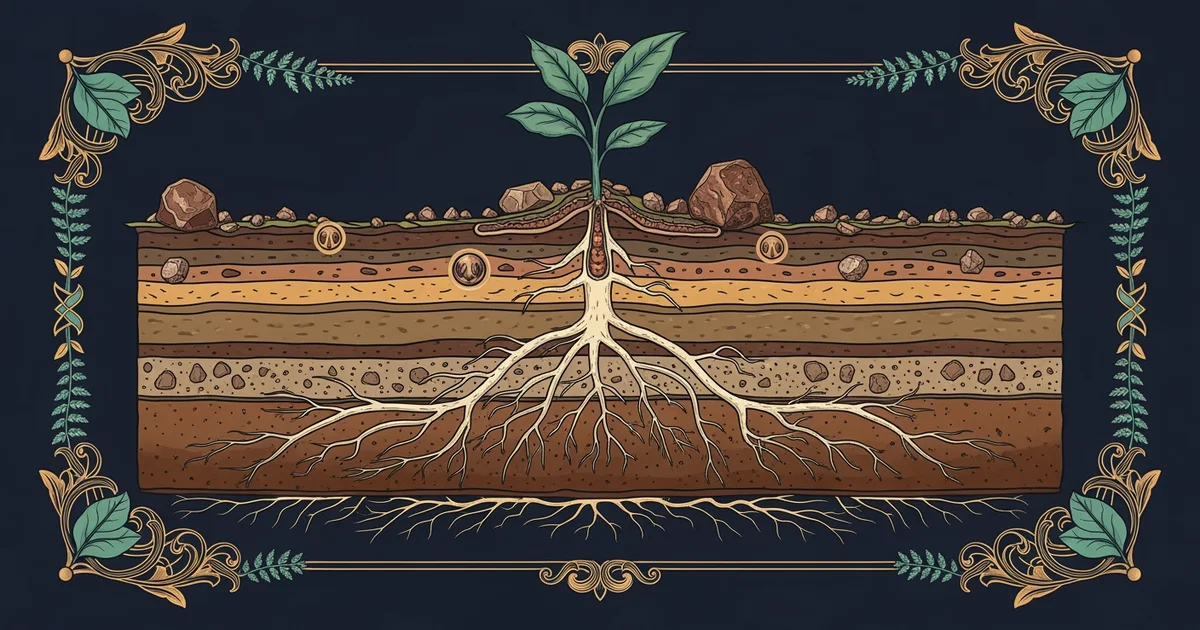
Understanding Soil Acidity
Soil chemistry acts like a bank account for plants that need specific nutrients to grow. When the soil becomes too acidic, the chemical balance shifts and locks essential minerals away. Plants cannot access these nutrients even if they are physically present in the dirt. This process is similar to having money in a bank that has frozen your account. You possess the wealth, but you cannot spend it to buy the food you need. Understanding this dynamic helps farmers unlock the potential of their land. By measuring the hydrogen ion concentration, we determine if the soil is too acidic or too alkaline. This measurement is known as the pH level of the soil environment. Proper management ensures that nutrients like nitrogen and phosphorus remain available for the roots to absorb. Without this balance, crops fail to thrive regardless of how much fertilizer a farmer adds.
Nutrient Availability and Chemical Bonds
Nutrient uptake relies on the ability of roots to pull ions from the soil solution. Chemical bonds hold these nutrients tightly to soil particles when the pH level is incorrect. If the soil is too acidic, aluminum and manganese can reach toxic levels for plants. These elements interfere with root growth and stop the plant from drinking water properly. We must manage these interactions by adding materials that shift the chemical environment back to neutral. Farmers often use lime to raise the pH level in acidic soils. This addition provides calcium and magnesium while neutralizing the harmful acidity in the ground. Consider the following factors that influence how well plants absorb their daily nutrition from the earth:
- Cation exchange capacity describes the ability of soil to hold onto positively charged nutrient ions. This capacity determines how effectively the soil can store nutrients before roots pull them away.
- Microbial activity levels change based on the acidity of the surrounding soil environment. Beneficial bacteria thrive in neutral conditions and help break down organic matter for plant use.
- Solubility of minerals dictates whether a nutrient remains in a liquid form that roots can drink. If the pH is wrong, nutrients turn into solid compounds that roots cannot process.
Balancing the Soil Ecosystem
Maintaining the right pH requires consistent testing and careful planning throughout the growing season. Farmers monitor these changes to ensure the soil provides a steady supply of essential fuel. When the pH deviates from the ideal range, the entire growth cycle slows down significantly. This creates a bottleneck where plants starve even while surrounded by potential food sources. The goal is to keep the soil in a state where chemical reactions favor plant growth. By testing the soil regularly, farmers can make small adjustments before the crops show signs of stress. This proactive approach saves time and resources while increasing the total yield of the harvest. Think of the soil as a living laboratory where chemistry dictates the success of every single plant.
Key term: Soil pH — the measure of acidity or alkalinity in the soil that controls how plants access vital nutrients.
Managing this chemical environment is a cornerstone of modern agricultural success for every farm. We must respect the delicate balance that exists deep within the roots of our crops.
Optimal plant growth depends on managing soil pH to ensure nutrients remain in a soluble form that roots can easily absorb.
But what does it look like in practice to adjust these chemical levels for different crop types?
Want this with sources you can check?
Premium Learning Paths for Biological Sciences are researched against open-access libraries — PubMed, arXiv, government databases, and more — with their distinctive claims cited to real sources and independently checked.
See what Premium includes