
Crop Genetics Basics
Imagine a chef who wants to create the perfect loaf of bread for a large event. If the baker chooses a recipe that produces a dense, flat loaf, no amount of kneading or heat will ever result in a light, airy pastry. The potential for the final product is locked inside the recipe itself before the oven is even turned on. Just like that bread recipe, crops possess a specific set of instructions that dictate their potential for growth, size, and resilience. Understanding these instructions is the first step toward feeding a growing global population while keeping our planet healthy.
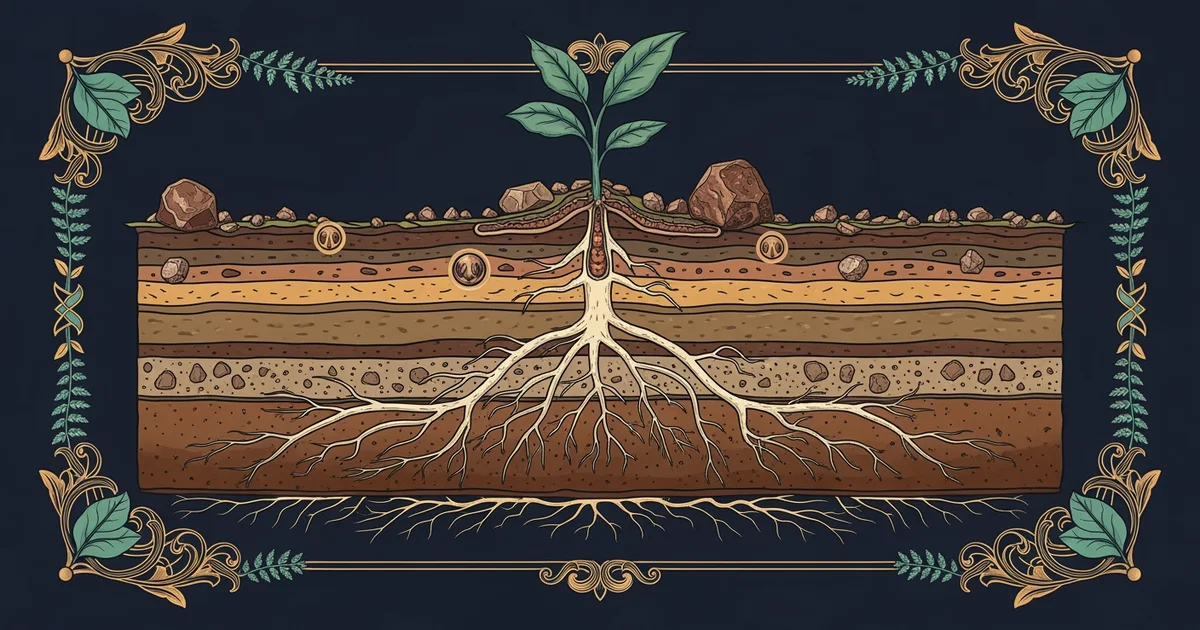
The Blueprint of Life
Every plant carries a hidden instruction manual known as its genotype. This internal code acts as the ultimate blueprint for how the plant will develop and function throughout its entire life cycle. When a farmer selects seeds for a new season, they are essentially choosing a specific set of genetic instructions that will determine how the plant handles drought, heat, or pests. Think of the genotype as the secret recipe held by our baker. If the recipe calls for high-quality wheat, the resulting plant has the inherent potential to grow strong and healthy under the right conditions. Without the correct genetic foundation, even the most fertile soil and abundant water cannot force a plant to reach its full potential.
Observing the Results
While the genotype provides the instructions, the actual physical appearance and behavior of the plant is called the phenotype. This term describes everything we can see, measure, or touch about the crop as it grows in the field. The phenotype is the final bread loaf on the table, shaped by both the original recipe and the environment of the kitchen. If the baker uses a cold oven, the bread will suffer regardless of how good the recipe was. Similarly, a plant with excellent genetic potential might grow poorly if it lacks sunlight or nutrients. The phenotype is the visible evidence of how the genetic blueprint interacted with the specific conditions of the environment.
Farmers must understand the difference between these two concepts to improve their harvests over time. They often track several key characteristics to see how their crops are performing in the real world:
- Growth rate measures how fast the plant develops from a seed into a mature crop, which helps farmers plan their harvest schedules efficiently.
- Stress tolerance identifies how well a plant survives harsh conditions like extreme heat or low water levels, ensuring the crop remains productive during bad weather.
- Yield potential calculates the maximum amount of food a plant can produce under ideal conditions, providing a goal for how much harvest the farmer might expect.
Comparing Genetic and Physical Traits
To manage a farm effectively, you must distinguish between the hidden instructions and the visible results. The following table highlights how these factors interact during the life of a typical crop:
| Feature | Genotype | Phenotype |
|---|---|---|
| Nature | Internal genetic code | External physical form |
| Source | Inherited from parents | Result of genes and environment |
| Changeability | Fixed at fertilization | Changes throughout the season |
| Observation | Requires laboratory testing | Visible to the human eye |
This distinction is vital because farmers cannot change the genotype of a plant once it starts growing. They can only influence the environment to help the plant reach the best possible phenotype. By selecting better seeds, they improve the starting instructions, which sets a higher ceiling for what the physical plant can achieve. This process of selection is the foundation of agricultural science, allowing us to cultivate enough food to sustain a growing global population while protecting our precious natural resources.
The genotype provides the internal instructions for a plant, while the phenotype represents the visible reality of how those instructions interact with the environment.
The next Station introduces selective breeding, which determines how we improve these genetic traits over many generations.