
Origins of Agricultural Science
Imagine standing in a wild field where you must search for every single berry or root to survive the day. If you fail to find food, your family goes hungry, and your energy fades quickly because nature does not provide a reliable schedule for your next meal. This constant struggle for survival defined the human experience for thousands of years until our ancestors discovered they could influence the growth of plants. By choosing the best seeds and clearing space for them to thrive, humans shifted from being simple foragers to becoming the first managers of the natural world.
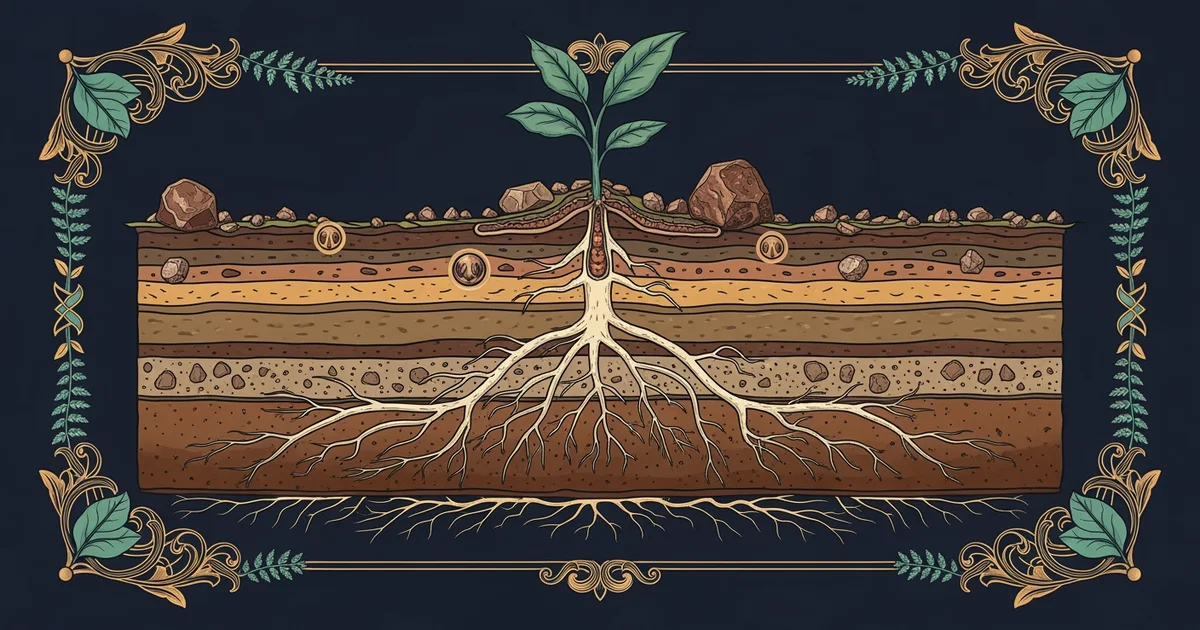
The Shift to Intentional Cultivation
The transition from hunting and gathering to organized farming represents the most significant change in human history. Early humans noticed that seeds dropped near their shelters would sprout into new plants during the next rainy season. This observation led to the practice of domestication, which is the process of adapting wild plants and animals for human use. Think of this process like starting a small business where you invest time and resources now to earn a much larger profit later. Instead of wandering to find food, people began to stay in one place to protect and nurture their crops. This stability allowed populations to grow because families no longer relied on the unpredictable luck of the wild hunt.
Key term: Domestication — the process of adapting wild plants and animals for human use to ensure a consistent and reliable food supply.
As people settled down, they learned that some plants grew better in specific types of dirt or under certain weather conditions. This early knowledge was the spark that ignited the field of agricultural science. Farmers began to save the largest seeds from their best harvests to plant again the following year. This selective process changed the physical traits of crops over many generations. By carefully choosing which plants would reproduce, early farmers effectively redesigned their food sources to be more productive and easier to harvest. This was not just luck, but the beginning of systematic observation and experimentation in food production.
Milestones in Early Food Production
The development of farming tools and techniques allowed humans to expand their reach across different environments and climates. The following list highlights key milestones that helped early societies transition from small gardens to large, productive fields:
- The invention of the plow allowed farmers to turn over deep soil, which brought fresh nutrients to the surface and made planting easier for large groups.
- The creation of irrigation channels moved water from rivers to dry land, which meant crops could grow in places that were previously too arid for farming.
- The storage of surplus grain in sealed pits protected food from pests and weather, which ensured that communities had enough to eat during the cold winter months.
These advancements turned farming from a desperate struggle into a reliable system of production. When a society produces more food than it needs, the extra supply acts like a savings account that allows the community to invest in other areas of life. People could then focus on building homes, creating tools, or developing new technologies instead of spending every waking hour hunting for dinner. This surplus of food is the foundation upon which all complex civilizations are built. By mastering the land, humans gained the freedom to innovate and grow in ways that were impossible while they were constantly on the move.
Understanding the Impact of Agriculture
| Feature | Hunting and Gathering | Early Agricultural Systems |
|---|---|---|
| Food Source | Wild plants and animals | Domesticated crops and livestock |
| Location | Constant movement | Fixed, permanent settlements |
| Food Supply | Unpredictable and scarce | Reliable and often surplus |
| Social Impact | Small, mobile groups | Large, stable communities |
This table shows how the move to farming changed every part of human life. By controlling the environment, we stopped being victims of nature and started to shape it to meet our needs. This change required a deep understanding of biology, climate, and the cycles of the earth. Today, we continue this work by using modern science to solve the same problems that our ancestors faced. We still look for ways to increase our yields and protect our harvests from the challenges of the natural world. This path will provide you with the tools to understand how we feed the world today and how we can improve those systems for the future.
Agricultural science began when humans moved from gathering wild food to actively managing the growth and reproduction of plants.
This path gives you a complete understanding of how we produce food and how we can manage our resources to sustain a growing global population.