
Plant Life Cycles
Imagine a tiny seed sitting in dry soil, waiting for the right moment to transform into a towering stalk of corn. This silent transition from a dormant shell into a living plant represents the most critical process for sustaining human life on our planet. Understanding how plants navigate their growth stages allows farmers to predict harvests and manage resources effectively. Without this biological clock, our global food supply would be impossible to coordinate or predict across different seasons.
The Stages of Plant Development
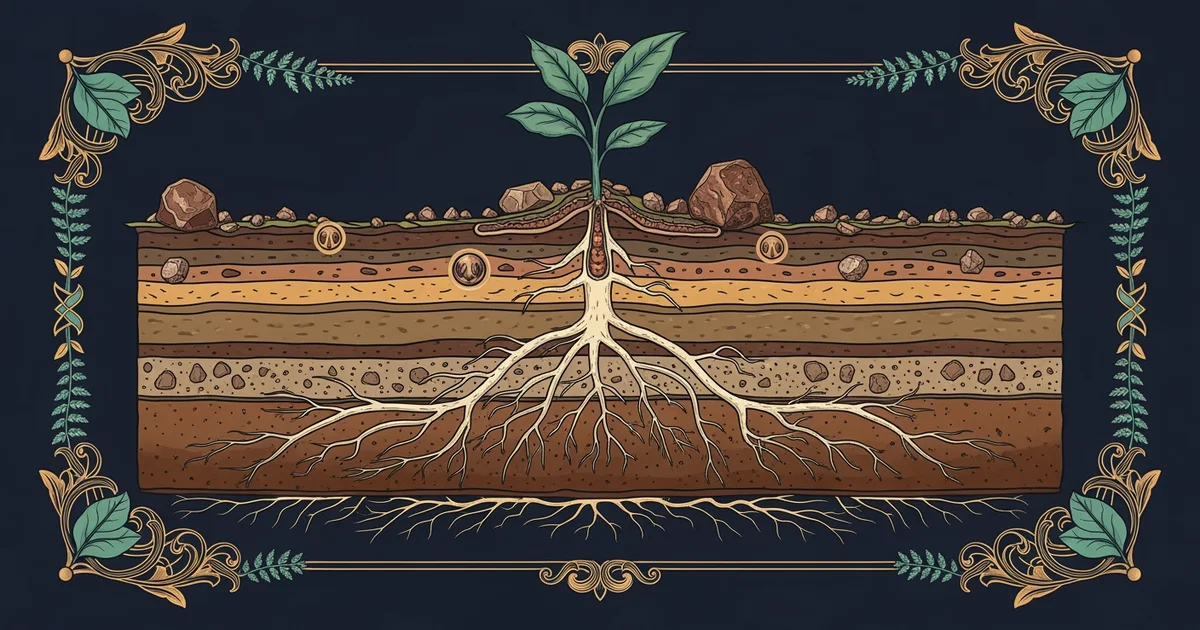
Plants follow a predictable sequence of development that begins the moment a seed absorbs enough water to trigger its internal metabolic systems. This initial phase, known as germination, requires specific environmental cues like moisture, temperature, and sometimes light to break the seed's dormancy. Once the tiny root emerges, it anchors the plant and begins scavenging for essential minerals and water within the surrounding earth. The shoot then pushes upward toward the sun to begin the process of capturing energy through photosynthesis. This stage is much like a startup business that must secure its base funding before it can begin to expand its operations into a wider market.
Following the establishment of roots and leaves, the plant enters a period of rapid vegetative growth where it focuses entirely on building structural mass. During this time, the plant produces more leaves to increase its surface area for energy collection, which fuels the development of a strong stem. This phase is vital because the plant must reach a certain size and health threshold before it can divert energy toward reproduction. If a plant lacks nutrients during this vegetative stage, its later ability to produce fruit or seeds will be severely limited, much like a company that fails to invest in its infrastructure early on.
Key term: Germination — the process by which a seed begins to grow into a new plant by sprouting roots and shoots.
Once the plant reaches maturity, it shifts its energy away from vegetative growth and toward the development of flowers or reproductive structures. This transition is often triggered by changes in day length or temperature, signaling that the season for reproduction has finally arrived. The plant produces blossoms that eventually develop into seeds, which are the primary vehicles for starting the next generation. This reproductive investment is the most resource-intensive part of the cycle, as the plant must create complex structures to ensure its genetic material survives.
The final stage of the life cycle involves the maturation of fruit and the dispersal of seeds back into the environment. This phase ensures that the plant species can colonize new areas and persist through unfavorable conditions by remaining dormant until the next cycle begins. Farmers monitor these stages closely to determine the precise moment for harvesting, as the nutrient content and quality of the crop change significantly throughout this final development period. By timing the harvest correctly, they maximize the yield while ensuring the plant has completed its biological mission of creating future generations.
| Stage | Primary Focus | Key Activity |
|---|---|---|
| Germination | Breaking dormancy | Root emergence |
| Vegetative | Building mass | Leaf production |
| Reproductive | Creating seeds | Flower formation |
| Maturation | Energy storage | Fruit development |
Understanding these stages allows us to intervene with fertilizers or irrigation at the exact moment the plant needs them most. By aligning human agricultural practices with the natural rhythm of plant growth, we can produce more food while using fewer resources. This synchronization is the secret to feeding a growing population without exhausting the natural fertility of our soil. We must continue to refine these methods to ensure long-term stability for all global food systems.
Plants follow a structured life cycle that shifts energy from initial growth to reproduction, allowing farmers to time their interventions for the highest possible agricultural yield.
Now that we understand how plants grow, we can explore how they extract the specific nutrients from the soil required to fuel these complex biological stages.