
Water Resource Management
Farmers often watch their fields dry out under the hot summer sun while precious water drains away into the soil. This struggle to balance plant needs with limited liquid supplies remains the central challenge for modern food production systems.
Understanding Irrigation Efficiency
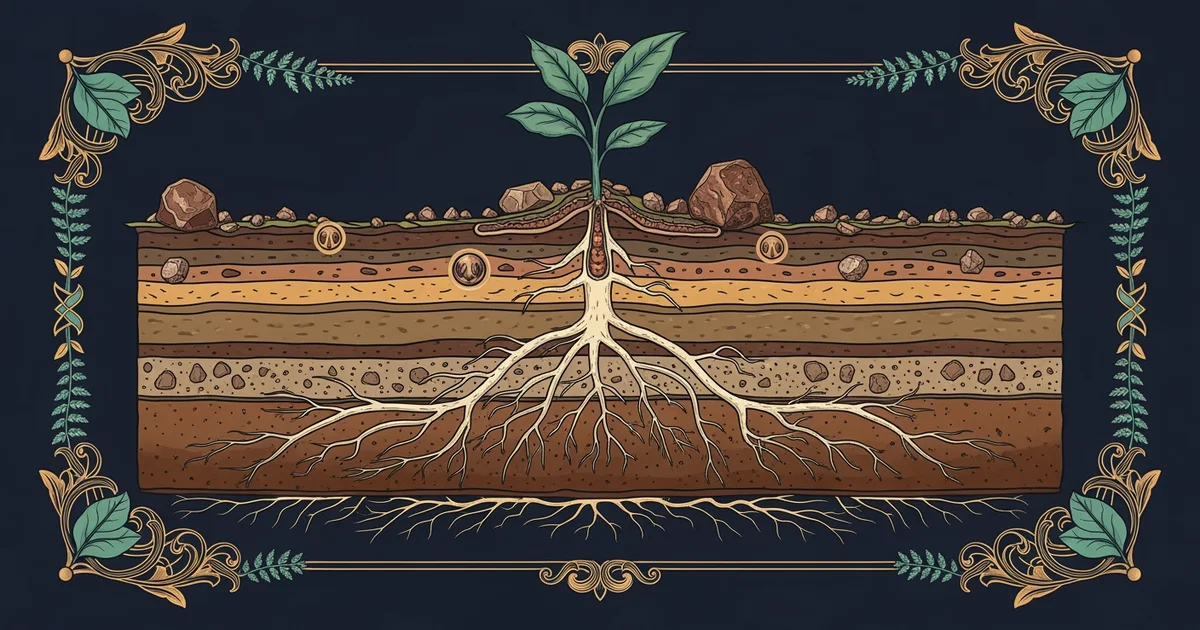
Water resource management involves the careful control of how much moisture reaches our crops each day. Efficient systems deliver water directly to root zones where plants absorb it for growth and development processes. If a farmer applies too much water, the excess simply runs off the surface or sinks deep below the root level. This wasted liquid carries away vital nutrients that plants need to thrive during the growing season. By measuring exactly how much water a plant requires, we can ensure that every drop serves a clear purpose. Think of this process like managing a personal budget where every dollar must be spent wisely to avoid unnecessary waste. If you spend your money on things you do not need, you will lack the funds for important future investments. Agriculture works the same way because water is a finite resource that requires careful planning and strategic allocation across large fields.
Comparing Irrigation Methods
When we look at different ways to water crops, we see distinct differences in how they handle liquid distribution. Most farms choose between traditional flooding methods and modern pressurized systems to meet their specific harvest goals.
| Irrigation Type | Water Usage | Cost Intensity | Primary Benefit |
|---|---|---|---|
| Flood | Very High | Low | Simple setup |
| Drip | Very Low | High | Precise delivery |
| Sprinkler | Moderate | Moderate | Wide coverage |
Flood irrigation covers the entire field with a thin layer of water to soak the ground thoroughly. While this method is inexpensive to install, it often leads to high evaporation rates in hot climates. In contrast, drip irrigation uses small tubes to deliver water slowly to the base of each individual plant. This targeted approach prevents the soil surface from staying wet, which reduces weed growth and evaporation losses significantly. Many farmers now prefer this precision because it saves water while keeping yields high during dry weather cycles.
Key term: Evapotranspiration — the combined process of water evaporating from the soil and plants releasing moisture through their leaves.
Managing Field Moisture Levels
Maintaining the right moisture balance requires constant monitoring of local weather patterns and soil conditions throughout the year. Farmers must adjust their water schedules based on how quickly the sun dries out the upper layers of dirt. If they ignore these environmental signals, crops might suffer from heat stress or root rot caused by too much moisture. Modern tools like soil sensors provide real-time data to help farmers make better choices about when to turn the valves on. This data-driven approach turns farming into a precise science rather than a game of guessing the next rain event. By using technology to track moisture, we protect our natural water reserves for the generations that will follow us. This commitment to sustainability ensures that we can feed the global population without depleting the essential resources that make life on our planet possible.
Optimizing Resource Allocation
Agricultural science continues to find better ways to distribute water across diverse landscapes and varying soil types for maximum growth. We must prioritize methods that minimize runoff while maximizing the amount of water that plants can actually absorb. This optimization requires a deep understanding of how different crops respond to water stress at various stages of their life cycle. A corn plant, for example, needs more water during its pollination phase than it does when it first sprouts from the ground. By aligning our water delivery schedule with these biological needs, we create a more resilient food system. We also reduce the strain on local rivers and underground aquifers that provide water for both farms and nearby human communities. This balance of interests is the key to managing our shared water resources effectively in a changing global climate.
Efficient water management relies on delivering moisture directly to plant roots to maximize crop growth while minimizing waste.
The next Station introduces pest control strategies, which determines how farmers protect their crops from insects and diseases.