
Precision Agriculture Tools
In 2019, an Iowa farmer faced a massive yield drop because he treated his entire field as one uniform block. He applied the same amount of fertilizer across every acre, even though the soil quality varied wildly from the north hill to the southern creek bed. This is a classic example of inefficient resource management, highlighting the need for the precision agriculture techniques we will explore in this Station. By using data to treat specific zones differently, farmers can stop wasting expensive inputs and start maximizing their actual harvest potential.
Mapping Fields with Sensor Data
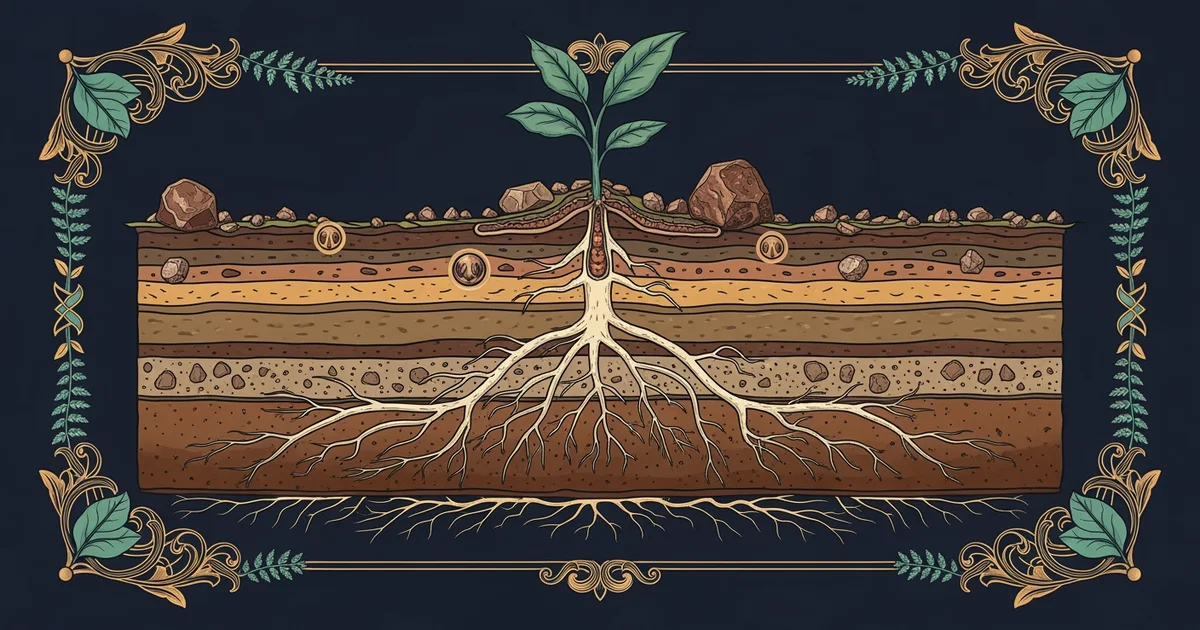
Modern farming relies on gathering precise information about the land before any equipment ever touches the soil. Farmers use global positioning systems to create digital maps that divide their large fields into smaller, manageable zones based on specific soil needs. These sensors measure moisture levels, nutrient density, and organic matter content at hundreds of different points across the farm. When the computer processes this data, it generates a heat map that shows the farmer exactly where the soil is rich and where it needs help. This process is like a doctor using a detailed medical scan to target a specific illness rather than prescribing the same general medicine to everyone in the waiting room.
Key term: Variable Rate Technology — the hardware and software systems that automatically adjust the amount of seed or fertilizer applied based on real-time field data.
Once the farmer has this digital map, they load it into the tractor computer to guide the planting process. This system, known as variable rate technology, ensures that the machine changes its output speed as it moves across the different zones. If the sensor map shows a patch of soil is low in nitrogen, the spreader automatically releases more fertilizer in that specific spot. In areas where the soil is already nutrient-dense, the machine reduces the output to save money and prevent environmental runoff. This targeted approach ensures that every single plant gets exactly what it needs to thrive without any unnecessary waste.
Optimizing Inputs for Higher Yields
Applying these tools requires a clear understanding of how different zones behave throughout the growing season. The following list explains the primary benefits of using sensor-guided equipment for daily field management:
- Reducing input costs by ensuring that expensive fertilizers are only applied where the soil truly lacks the required nutrients for healthy crop development.
- Improving overall crop quality because plants grown in precisely managed zones show more uniform growth patterns and reach maturity at the same time.
- Protecting local water supplies by limiting the amount of excess chemicals that might otherwise wash away into nearby streams or groundwater reserves.
These systems must be calibrated regularly to ensure the data remains accurate as conditions change throughout the year. Farmers often combine their sensor data with satellite imagery to track how crops respond to the specific applications they made earlier in the season. If a certain zone does not respond well to the planned treatment, the farmer can adjust the digital map for the next planting cycle. This creates a feedback loop where the farm becomes more efficient every single year. It turns the entire field into a living laboratory where every decision is backed by hard evidence rather than simple guesswork.
| Tool Type | Primary Function | Data Output | Benefit |
|---|---|---|---|
| Soil Sensor | Measure nutrients | Chemical map | Precision |
| GPS Tracker | Track location | Path logs | Accuracy |
| Variable Spreader | Apply inputs | Usage report | Efficiency |
Using these tools correctly requires the farmer to interpret the data and make quick decisions based on changing weather patterns. While the technology handles the heavy lifting, the human element remains vital for setting the goals and managing the equipment. The goal is to create a system that balances high production with long-term environmental health. By moving away from uniform field management, farmers can grow more food while using fewer resources on their land.
Precision agriculture uses site-specific data to match resource application with the actual needs of the soil for maximum efficiency.
But this data-driven model often fails when unexpected weather events disrupt the planned application cycle.