
Sustainable Farming Systems
In the spring of 2021, a large corn farm in Iowa faced failing yields after planting the same crop for ten years. The soil lacked essential nutrients and pests had adapted to the specific conditions of that single field. This is the challenge of monoculture that we identified in Station 10, where we discussed the limitations of machinery in uniform environments. Farmers must now shift their approach to ensure the land remains productive for future generations by using diverse biological systems.
Designing Effective Crop Rotation Cycles
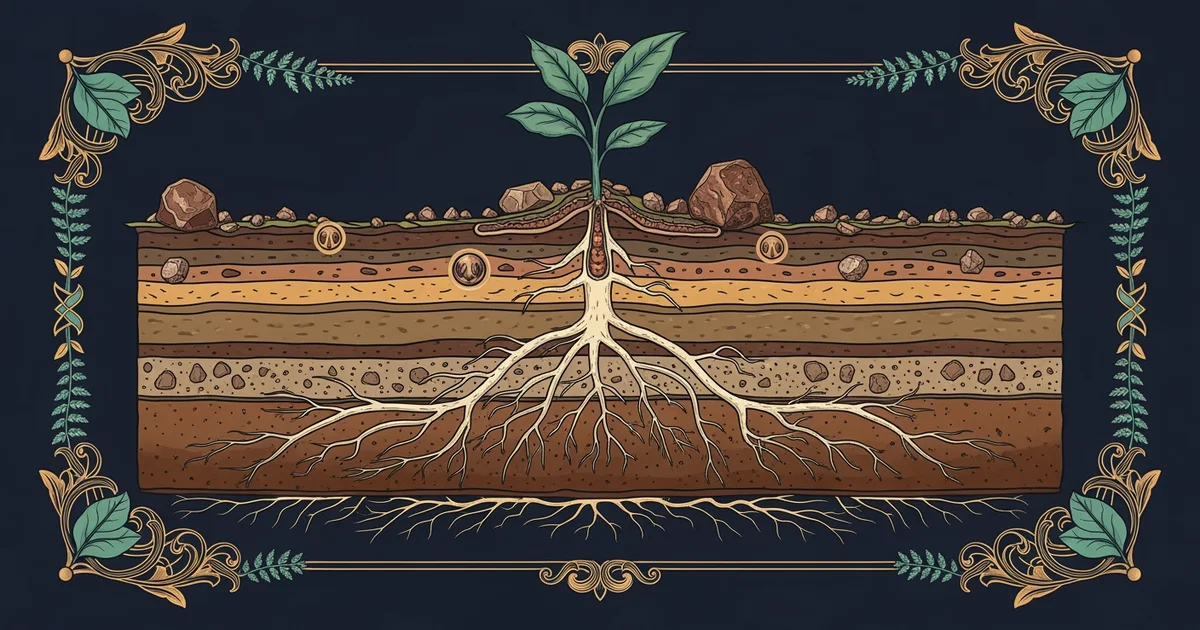
To restore soil health, farmers utilize crop rotation, which is the practice of planting different species in a set order over several seasons. Each plant type extracts different nutrients from the earth while depositing unique organic matter back into the ground. When a farmer rotates a nitrogen-heavy crop like corn with a nitrogen-fixing legume like soybeans, the soil effectively recharges its own chemical battery. This process is like a professional athlete alternating between strength training and rest days to prevent injury and maintain peak performance levels over time. By intentionally varying the root depth and nutrient needs of successive plantings, the farmer prevents the depletion of specific soil zones. This strategy also disrupts the life cycles of pests that rely on a single host plant to thrive.
Key term: Crop rotation — the systematic planting of different crops in a specific order to improve soil health and manage pests.
Implementing a three-year plan requires careful observation of how different plant families interact with the local environment. A successful schedule often balances high-demand crops with restorative cover crops that protect the surface from erosion. Consider these three distinct roles that plants play within a rotation schedule:
- Heavy feeders extract large amounts of nitrogen and phosphorus from the soil to support rapid growth, which necessitates a follow-up period of replenishment to prevent long-term mineral deficiencies.
- Nitrogen fixers utilize symbiotic bacteria in their root nodules to convert atmospheric nitrogen into a usable form for the soil, effectively acting as a natural, living fertilizer source.
- Deep-rooted crops penetrate dense soil layers to bring minerals from deeper zones to the surface, which improves the overall structure and drainage capacity of the topsoil for future crops.
Managing Nutrient Inputs and Soil Integrity
Beyond simple rotation, sustainable systems must integrate organic matter to maintain the physical structure of the ground. When farmers leave crop residues or plant cover crops during the off-season, they prevent the wind from stripping away the fertile top layer. This layer is the primary foundation for all agricultural productivity, yet it is highly susceptible to degradation if left bare. Farmers must treat the soil as a living ecosystem rather than a static medium for holding plant roots in place. By carefully selecting plants that provide consistent ground cover, the farmer ensures that the biological activity within the dirt remains active and diverse throughout the year. This diversity creates a resilient environment that can withstand unpredictable weather patterns or sudden changes in local climate conditions.
| Crop Type | Nutrient Need | Primary Benefit | Soil Impact |
|---|---|---|---|
| Cereals | High | Carbon addition | Increases organic content |
| Legumes | Low | Nitrogen fixation | Improves fertility levels |
| Root Crops | Medium | Soil aeration | Enhances water infiltration |
Farmers who use this table to plan their rotation cycles can maximize the long-term viability of their fields by balancing these specific traits. Each entry represents a trade-off that, when managed correctly, leads to a stable and highly productive agricultural system. The goal is to create a cycle where the output of one season supports the input of the next without requiring excessive synthetic additives. This balanced approach reduces costs while simultaneously increasing the natural resistance of the crops to common diseases that often plague simplified farming operations.
Sustainable farming relies on the strategic alternation of plant species to replenish soil nutrients and disrupt pest populations naturally.
But this system faces significant pressure when global market demands force farmers to prioritize short-term profit over long-term soil health.