
Integrated Habitat Modeling
Building a space habitat feels like trying to balance a spinning plate while riding a bicycle on a tightrope. Every single system must function perfectly for the whole structure to stay upright and safe for the crew. If the air supply fails or the heat regulation breaks, the entire mission ends in disaster for everyone on board. Creating a permanent home in the stars requires us to move past individual parts and look at the habitat as one living, breathing machine.
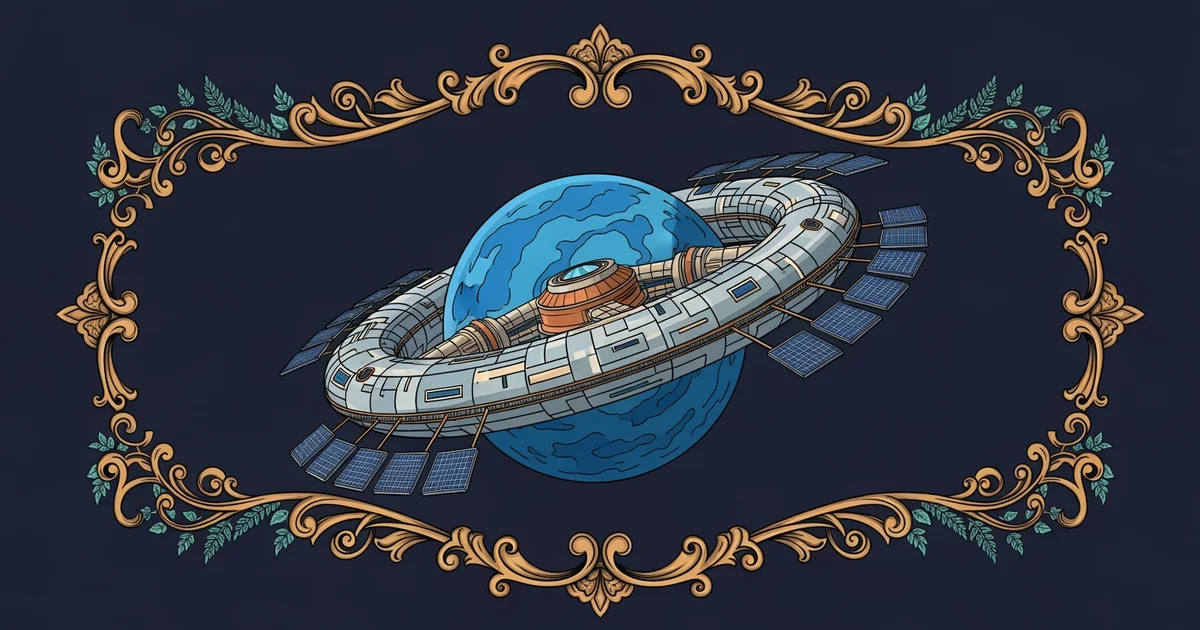
Integrating Complex Life Support Systems
Designing a space station requires us to blend different technologies into one single, unified framework for survival. We previously looked at thermal control systems to manage extreme temperature swings in the vacuum of space. Those systems must now link directly with air recycling units to ensure that energy is not wasted during operation. Think of this like managing a home budget where every single dollar must be accounted for to keep the lights on. If the cooling unit draws too much power, the life support fans might slow down, which puts the crew at risk. By modeling these interactions, engineers can see how one small change affects the entire environment inside the station walls.
Key term: Integrated Habitat Modeling — the process of linking separate life support subsystems into a single digital simulation to predict how they interact under stress.
When we link these systems, we ensure that the habitat remains stable even when parts of the station face unexpected failures. We must consider how the structural integrity of the hull changes when thermal expansion occurs during long periods of intense sunlight. This requires a shared data network that allows the oxygen scrubbers to talk to the heat pumps in real time. If the station detects a rise in carbon dioxide, it must automatically adjust the ventilation flow without human intervention. This automation acts as the central nervous system for the habitat, keeping conditions perfect for human life without constant manual adjustments.
Balancing Resources Across the Station
Managing the flow of materials is just as important as managing the flow of data across the station. We must track how water, oxygen, and electricity move between different modules to keep the station balanced. The table below shows how these critical resources depend on each other for efficient operation within a closed loop.
| Resource | Primary Source | Secondary Use | Critical Dependency |
|---|---|---|---|
| Water | Recycling Unit | Plant Irrigation | Thermal Cooling |
| Oxygen | Electrolysis | Crew Breathing | Pressure Control |
| Power | Solar Arrays | Battery Storage | Life Support Load |
Every resource on the station has a cost and a specific purpose that cannot be ignored by designers. For example, the water used for cooling the electronics is the same water that the crew needs for drinking and hygiene. If we lose too much water to evaporation, we must pull it from the reserves meant for the crops. This balancing act shows why integrated modeling is the only way to build a sustainable home beyond our planet. We must optimize the entire system to ensure that no single module consumes more than its fair share of the total supply.
Integrating these systems allows us to test "what if" scenarios before we ever launch a single bolt into orbit. We can simulate a solar flare or a micrometeoroid impact to see how the station reacts to sudden damage. This testing phase helps us find weak points in our design that might not be visible when looking at parts in isolation. By creating a complete digital twin of the habitat, we gain the confidence needed to send humans into the deep reaches of space. We are essentially building a small, self-contained world that must support life for years without any help from Earth.
True sustainability in space requires that every individual subsystem functions as a single, interdependent unit that shares resources to maintain life.
The next step in our journey involves looking at how these habitats will evolve and change as humanity expands into the solar system.