
Capstone Project Planning
Building a home for a family often feels like solving a complex puzzle with missing pieces. You must balance the need for safety with the reality of limited land and money.
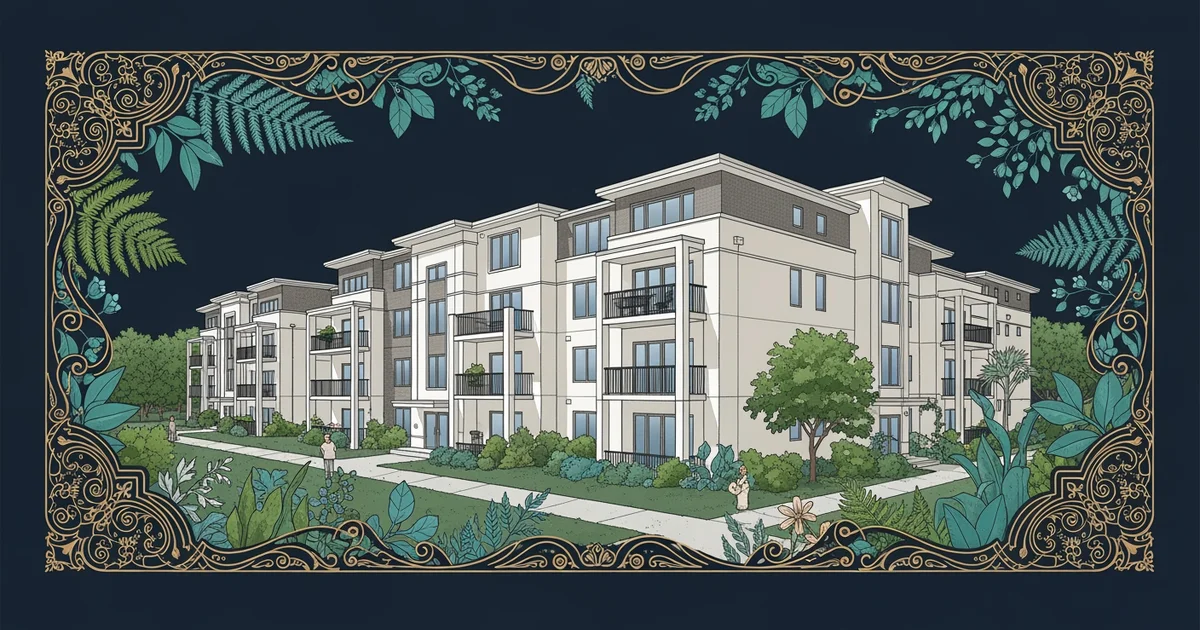
Designing for Community Stability
Designing fair living spaces requires you to blend creative vision with strict project management skills. Your development proposal acts as a blueprint for how people interact within their neighborhoods. You should consider how the layout encourages neighbors to meet and support one another in daily life. Think of a project proposal like a professional budget for a large company event. You must account for every resource while ensuring the final outcome serves the needs of all guests. If you miss a key detail, the entire structure might fail to provide the stability your community needs. By focusing on shared spaces, you create a foundation where residents feel safe and valued over many years.
Key term: Development Proposal — a formal document outlining the design, costs, and social impact of a new housing project.
Effective planning requires you to address the tension between modern comfort and long-term affordability. You must use the lessons learned from earlier stations to ensure your designs remain relevant for future generations. For instance, consider how your project integrates the energy efficiency trends we discussed in the previous module. You should also look at how your housing layout manages the density issues mentioned in our early lessons. These two concepts often clash, as high density can lower costs but might reduce personal comfort. Your job is to find a balance that offers both privacy and a strong sense of community. This synthesis of ideas turns a simple building plan into a true home for diverse groups of people.
Structuring Your Development Plan
When you prepare your final proposal, you must organize your thoughts into clear and actionable sections. A strong plan demonstrates that you have thought about the site, the people, and the financial reality of the build. You can follow these steps to ensure your proposal covers every necessary detail for a successful project:
- Site Analysis: You must examine the local land to understand how the climate and geography affect your design choices.
- Needs Assessment: You should identify the specific housing gaps in your community to ensure your project solves a real problem.
- Design Synthesis: You must combine your architectural sketches with the social goals you identified during your early research phase.
- Resource Allocation: You should list the materials and labor required to complete the build within a realistic budget and timeframe.
These steps help you translate abstract ideas into a concrete structure that provides lasting value for your local neighborhood.
| Section | Primary Goal | Key Question to Answer |
|---|---|---|
| Site | Feasibility | Is the land safe for building? |
| Needs | Impact | Who will live in these homes? |
| Budget | Sustainability | Can we afford to maintain it? |
This table provides a simple way to track your progress while you write your proposal. By answering these questions, you show that your design is not just a drawing but a viable solution. Always remember that a well-structured plan is the most powerful tool you have to gain support for your project. When you show that you have considered the long-term costs and social benefits, you make it easier for others to trust your vision. Your final proposal should reflect the hard work and deep thinking you have applied throughout this entire learning path.
Creating a successful housing proposal requires balancing community needs with practical constraints through careful planning and detailed resource management.
Designing stable living spaces is a skill that helps you build better communities for everyone.