
Defining Modern Social Housing
Imagine you are trying to balance a tall stack of books on a slippery desk. If the base shifts even slightly, the entire collection falls to the ground in a chaotic mess. Modern housing systems work much like this delicate stack, where stability depends on a solid foundation for every person involved. When we talk about social housing, we are really discussing how to build that firm base so that entire communities can thrive without fear of losing their footing.
The Core Purpose of Shared Living Spaces
Social housing acts as a safety net designed to provide secure, affordable shelter for those who need it most. It functions like a public utility, similar to how we treat clean water or reliable electricity in our modern cities. The primary goal involves removing the constant stress of rising rent costs that often force families to move frequently. By offering stable living conditions, these systems allow individuals to focus on their education, their careers, and their long-term health. A stable home base acts as a launchpad for personal growth, ensuring that temporary financial setbacks do not result in a total loss of housing security.
Key term: Social housing — a system of government-supported living spaces that prioritize long-term stability and affordability over private profit.
Beyond individual benefits, these structures help maintain the overall health of a neighborhood by preventing displacement. When people stay in one place for many years, they build deep connections with their neighbors and local businesses. This social fabric creates a support network that makes the entire area safer and more resilient against economic shifts. Without these protected spaces, cities often become fragmented, as people are pushed out by rising costs that they cannot manage.
Designing for Community Stability
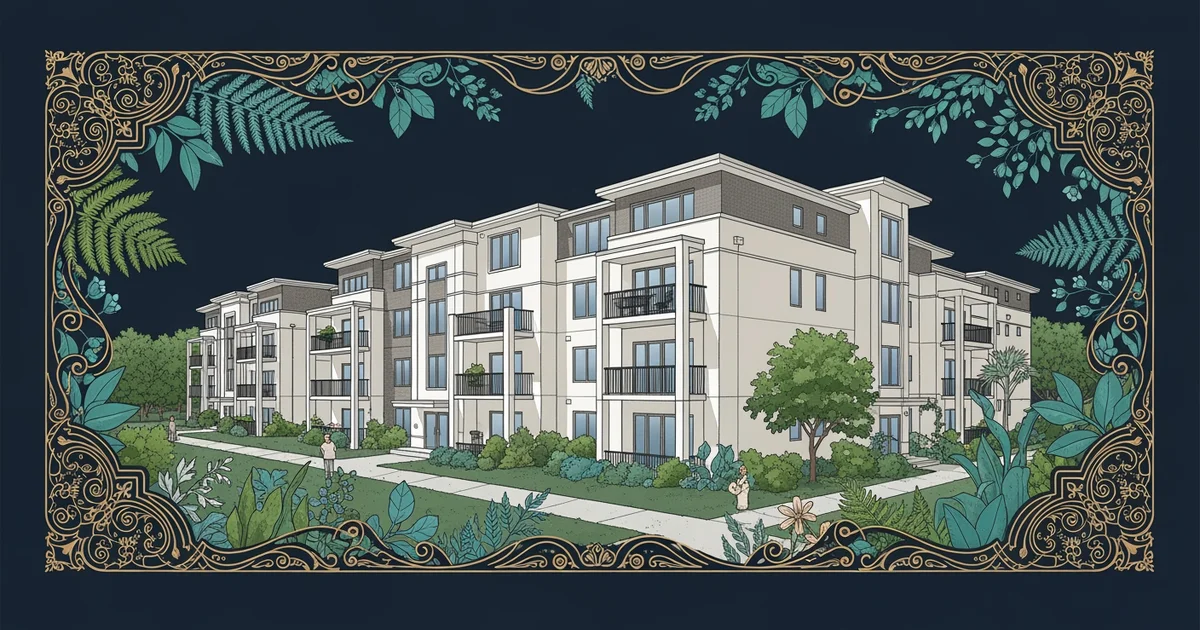
Designers of these spaces must balance the need for efficiency with the human desire for dignity and comfort. A well-designed building should not feel like a temporary fix, but rather a permanent piece of the local landscape. Architects often use high-quality materials that last for decades, reducing the need for expensive repairs that would drain public funds. By integrating green spaces and communal areas, planners encourage residents to interact and form bonds that strengthen the entire community.
| Feature | Purpose | Benefit to Resident |
|---|---|---|
| Shared Yards | Socializing | Builds local trust |
| Durable Walls | Maintenance | Lower long-term costs |
| Transit Access | Mobility | Better job prospects |
These features demonstrate that social housing is not just about walls and a roof, but about creating an environment where people can flourish. The design process must account for the specific needs of diverse populations, including families, elderly citizens, and young professionals. When we prioritize these human-centered design choices, we create spaces that serve the public interest for many generations.
Successful housing models often rely on a few key principles that guide every decision from the initial planning stage to the final construction phase:
- Universal Accessibility: Buildings should be designed so that every person, regardless of their physical ability or age, can move through the space with ease and total independence.
- Integrated Locations: Placing these homes near jobs and schools ensures that residents have the same opportunities as everyone else, preventing the isolation that harms social mobility.
- Sustainable Efficiency: Using modern building techniques keeps energy bills low, which protects low-income families from the burden of high utility costs that often accompany older, poorly insulated structures.
By focusing on these three pillars, city planners can ensure that their investments create lasting value. This approach shifts the focus from merely providing a place to sleep to building a foundation for a successful, connected life. It turns the concept of housing from a simple commodity into a fundamental right that supports the well-being of the entire city.
Modern social housing provides a stable, affordable foundation that allows individuals to build strong communities and pursue personal growth without the constant threat of displacement.
By the end of this path, you will understand how historical design choices and modern engineering combine to create fair, lasting living spaces for everyone.