
Economic Sustainability Factors
Building a home requires more than just bricks and mortar because the true price of any structure emerges long after the construction crews leave the site. Imagine buying a high-performance sports car that requires expensive fuel and constant repairs, which eventually makes the vehicle impossible for an average owner to keep running over time.
Understanding Long Term Maintenance Costs
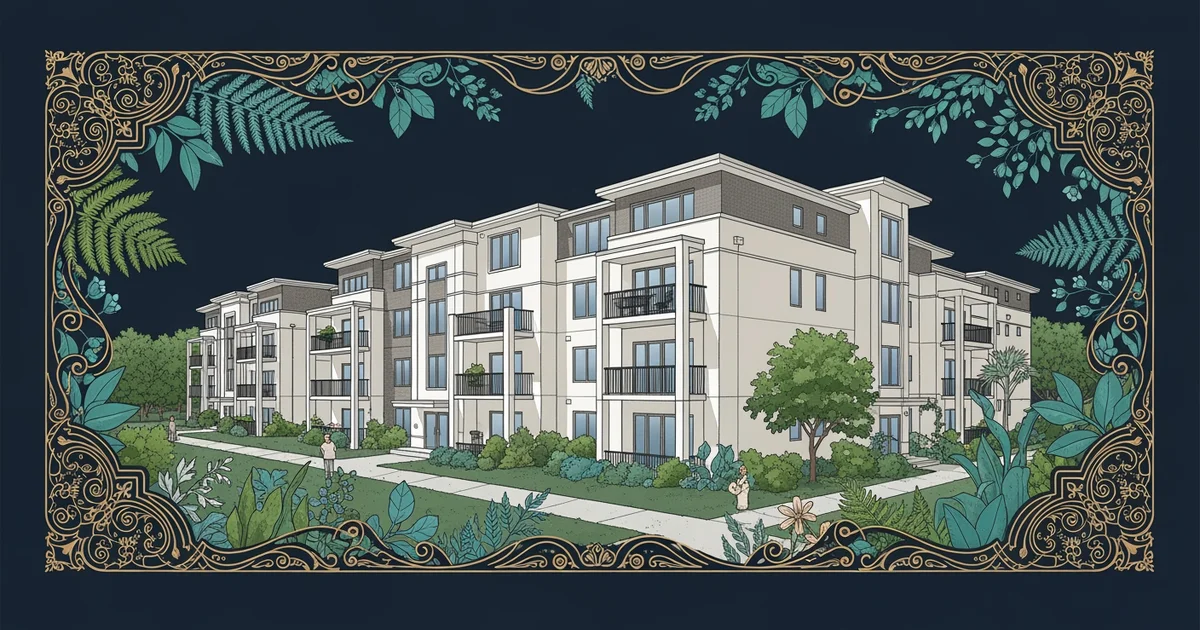
When we evaluate the economic sustainability of social housing, we must look past the initial building price to understand how the structure functions during its entire lifespan. Architects often focus on the upfront cost of materials, but this narrow view ignores the reality that buildings act like living systems that consume resources every single day. If a design requires frequent repairs or specialized parts, the financial burden placed on residents or local managers becomes unsustainable within a few short years. By calculating the total cost of ownership, planners can identify which materials and systems provide the best value without sacrificing the quality of life for the people who live inside these homes.
Key term: Economic sustainability — the capacity of a project to remain financially viable and affordable throughout its entire operational lifespan without requiring constant external subsidies.
To visualize this, consider the analogy of a garden where you choose between planting slow-growing native shrubs or high-maintenance exotic flowers. Native shrubs might cost a bit more to plant initially, but they thrive on local rainfall and require very little extra care as they mature. Exotic flowers look beautiful at first, yet they demand daily watering, expensive fertilizers, and constant protection from changing weather conditions to survive the season. Just as the gardener must choose between a resilient landscape and a fragile one, housing designers must select building components that offer durability over flashiness. This choice determines whether a community remains stable or falls into a cycle of debt due to rising repair bills.
Financial Viability and Project Planning
Because we must balance initial budgets with future needs, we use specific metrics to determine if a design will succeed over several decades. Planners categorize expenses into three distinct areas to ensure they do not miss hidden costs that could threaten the viability of the project. These categories allow teams to see how small design choices today create significant financial ripples in the future for the entire community.
| Cost Category | Description | Impact on Budget |
|---|---|---|
| Capital Costs | Initial spending on land and construction materials | High upfront impact |
| Operating Costs | Daily expenses for utilities, cleaning, and administration | Constant monthly impact |
| Lifecycle Costs | Future spending on major repairs and system replacements | Periodic heavy impact |
When analyzing these categories, we must prioritize long-term efficiency to protect the residents from sudden increases in housing fees. For instance, installing high-quality insulation might increase the capital cost by ten percent, but it drastically reduces the operating costs for heating and cooling over the next thirty years. If we ignore these lifecycle costs, we force families to pay more for energy, which leaves them with less money for other essential needs like food or education. By shifting our focus toward these long-term factors, we ensure that housing projects remain fair and stable for everyone involved in the community. This approach turns a building from a temporary solution into a lasting foundation for social stability.
True economic sustainability requires balancing the upfront cost of construction against the long-term expenses of maintenance and energy consumption to ensure permanent affordability.
The next Station introduces community integration strategies, which determine how the physical layout of these homes affects the social connections between neighbors.