
Global Housing Models
Imagine you are trying to balance a heavy stack of books on a thin, wobbly plastic tray. If the base of the tray is too weak, every single book you add will cause the whole structure to tilt and eventually collapse. Housing systems act just like that tray, because they provide the foundation that supports every citizen in a stable, functioning society. When governments design these systems, they must decide whether to focus on private ownership or public support to keep the structure upright.
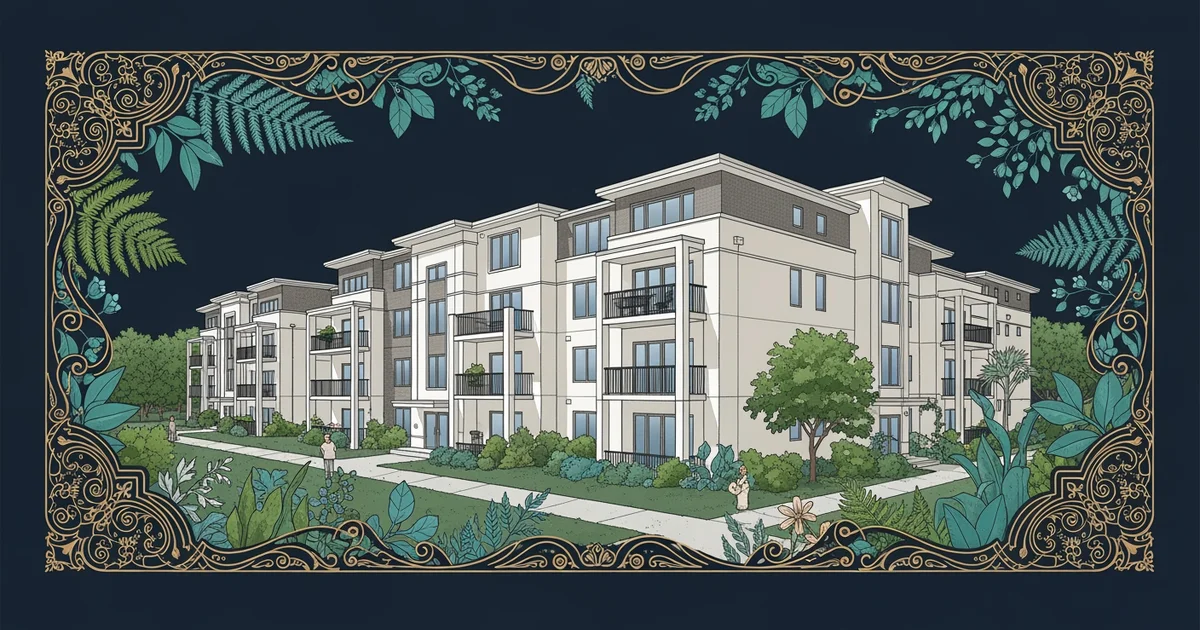
Comparing Global Housing Frameworks
Many nations utilize different strategies to ensure their populations have reliable places to live during their lifetimes. Some countries rely heavily on the open market, where supply and demand dictate the cost of rent and home ownership. Other regions choose to treat housing as a fundamental human right, providing state-supported options that keep costs low for everyone. These two approaches create very different daily experiences for residents, as one prioritizes individual investment while the other emphasizes collective security. Comparing these models helps us understand why some areas face housing shortages while others maintain high levels of stability for their residents.
Key term: Social Housing — residential units owned by the government or non-profit groups that are rented to people at prices below the standard market rate.
Different countries manage these resources through distinct policy frameworks that shape the quality and availability of homes. Some models focus on high-density apartment blocks built in central urban areas to reduce commute times for workers. Others prefer smaller, detached homes that offer more personal space but require more land and infrastructure to maintain. The choice between these styles often depends on the available budget, the geography of the land, and the specific needs of the local population. By looking at how these nations build, we can identify which features create the most resilient communities for the future.
Analyzing Structural Differences
When we look at housing policy, we can categorize the main approaches by how they distribute resources to the public. The following table highlights the primary differences between common international housing models found in developed and developing nations today:
| Model Type | Primary Funding | Main Goal | Typical Resident |
|---|---|---|---|
| Market-Led | Private Banks | Profit growth | Home owners |
| State-Owned | Tax revenue | Universal access | Low income |
| Cooperative | Member fees | Shared control | Community groups |
These models show that there is no single perfect way to house a large, diverse population effectively. Market-led systems often drive innovation in design but can leave vulnerable people behind when prices rise too quickly. Conversely, state-owned models provide excellent security for the poor but sometimes struggle with maintenance and long wait times for new units. The cooperative model attempts to bridge this gap by giving residents a direct voice in how their buildings are managed and kept up over time.
Understanding these differences reveals that the best housing solutions often require a hybrid approach that blends multiple strategies. A successful city might use private developers to build luxury units while using public funds to secure affordable housing for essential workers. This balance prevents the community from becoming too fragmented or expensive for the average person to afford. By studying these global examples, we can learn how to build living spaces that remain stable even when economic conditions change rapidly. Our goal is to find a path that offers both personal freedom and collective safety for every member of the community.
Effective housing models balance private investment with public support to ensure that every resident has a stable place to call home.
Next, we will explore how specific architectural design principles can improve the quality of life within these diverse housing structures.