
Future Trends in Housing
Imagine your future home adjusting its own temperature as you walk through the front door. Architects now design living spaces that adapt to human needs while reducing our environmental footprint.
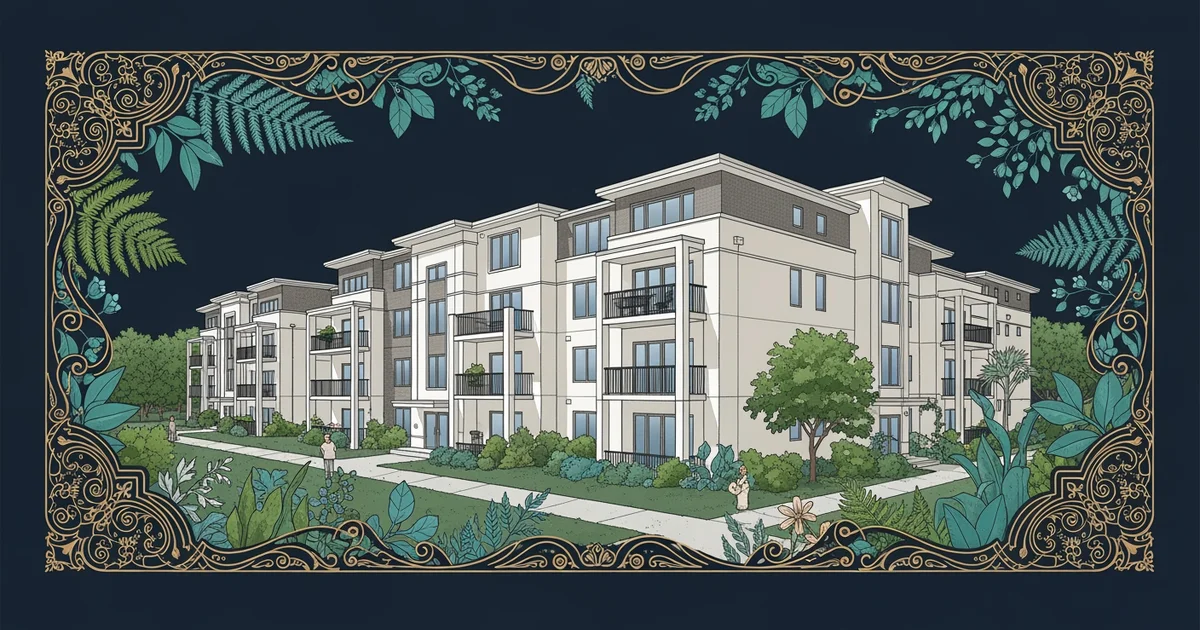
Innovations in Adaptive Residential Architecture
Modern designers prioritize modular construction to create homes that grow or shrink with family needs. This method acts like a set of building blocks, allowing owners to add or remove rooms as their life circumstances change over time. By using factory-built components, builders reduce waste and ensure high precision in every single unit. This approach solves the stability problem by letting residents stay in one neighborhood even as their household size fluctuates. When we integrate these systems into social housing, we provide long-term security that traditional static buildings simply cannot match today. The flexibility of modular units turns a simple apartment into a long-term asset for the community.
Key term: Modular construction — a process where building sections are manufactured off-site in a controlled factory setting before being assembled at the final location.
Beyond simple structure, we must consider how energy systems impact long-term affordability for residents. Smart grids allow buildings to share power, much like neighbors sharing tools from a communal shed to keep costs low. By connecting solar panels and battery storage across a block, the entire community gains energy independence. This reduces the monthly bills that often cause housing instability for low-income families. When we combine modular design with shared energy, we create a resilient ecosystem that protects the most vulnerable citizens. These systems ensure that housing remains a source of stability rather than a financial burden for the people living there.
Integrating Sustainable Tech for Community Stability
We must look at how past efforts in tenant empowerment programs influence these new technological designs. These programs taught us that residents thrive when they have direct control over their immediate living environment. Our new designs now include digital dashboards that let tenants monitor their own resource usage in real time. This visibility encourages responsible habits and lowers costs for the entire building population. We can compare the impact of these various design features by looking at how they influence the daily lives of residents in the following table.
| Feature | Primary Benefit | Impact on Stability |
|---|---|---|
| Modular Units | Flexible sizing | Allows long-term residency |
| Smart Grids | Lowered energy bills | Reduces monthly debt risk |
| Digital Dashboards | Resource awareness | Empowers tenant decision making |
By layering these technologies, we address the foundation question of how to design fair living spaces. We move away from viewing housing as a static object and start seeing it as a dynamic service. This shift requires us to rethink our urban planning policies to encourage more flexible land use. We must ask ourselves if current zoning laws allow for the modular changes that our future communities will clearly demand. If we fail to adapt our regulations, the technology will exist, but we will lack the legal framework to implement it effectively.
Some experts argue that high-tech homes might become too expensive for the very people who need them most. They worry that the cost of installing smart sensors could drive up rent prices in the short term. This remains an unresolved tension that architects and policymakers must navigate together in the coming decade. We have to find a balance between the initial investment in technology and the long-term savings for the residents. This balance defines the true success of modern social housing projects in our changing world.
Future housing success depends on combining flexible physical structures with shared energy systems to ensure long-term community stability.
We will now move to the Capstone Project Planning phase to apply these concepts to a real-world design scenario.