
Future Building Standards
Imagine your home acting like a high-tech coat that keeps you warm without needing a heater. As we look at the future of building, we must move beyond simple efficiency to create spaces that generate more power than they consume. Future standards will demand that houses become active participants in the electrical grid rather than passive energy drains. By shifting our focus, we can build structures that sustain human comfort while protecting the planet for generations to come.
The Shift Toward Net Positive Design
Building codes are evolving from simple energy reduction goals toward Net Positive standards that require buildings to produce excess energy. This transition builds upon the Integrated Design Process we studied earlier, where architects and engineers work together from the very start. Instead of just adding solar panels to a finished roof, designers now model how the entire building shape affects sunlight intake throughout the year. This holistic approach ensures that the structure itself acts as a natural engine for power generation. When a house produces more energy than its occupants need, it contributes that surplus back to the community grid. This shift turns every home into a small power plant that supports the local energy infrastructure.
Key term: Net Positive — a building standard requiring a structure to produce more renewable energy than it consumes annually.
Advanced Materials and Thermal Regulation
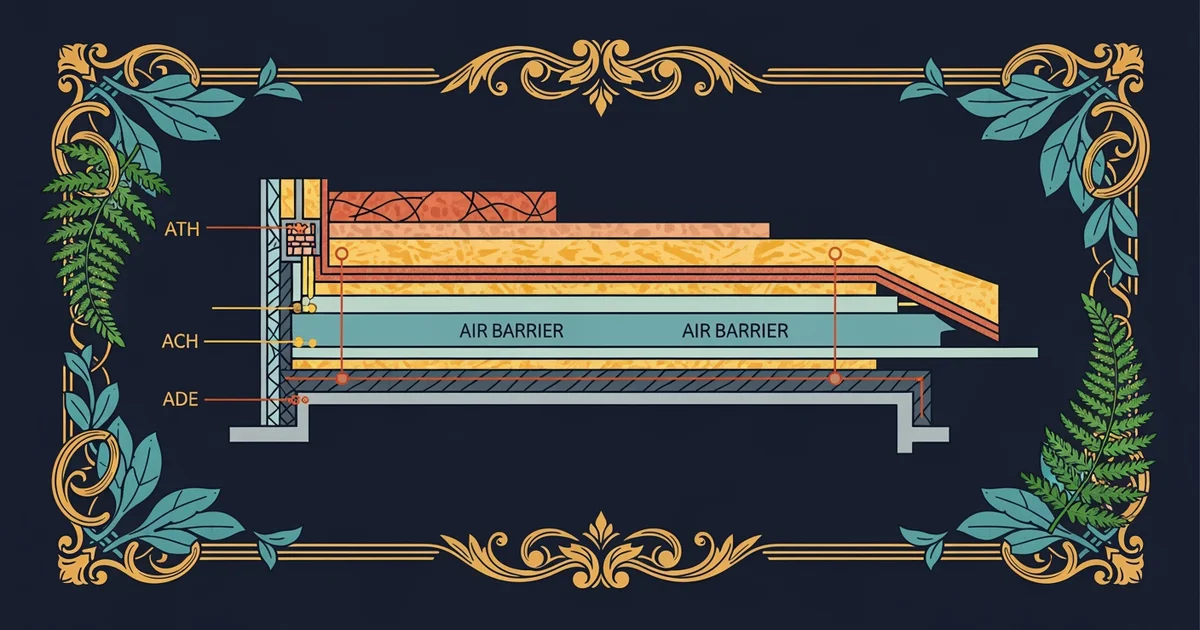
Future standards will rely heavily on High-Performance Envelopes to maintain perfect internal temperatures with minimal mechanical effort. Think of these building envelopes like a premium thermos that keeps your coffee hot for hours without an external heat source. By using advanced insulation and airtight seals, we prevent the energy waste that currently plagues most modern housing. These materials must be durable and easy to install to ensure that every new construction project meets these high benchmarks. The following table compares traditional construction methods with future high-performance standards across three critical building metrics:
| Metric | Traditional Build | High-Performance Build |
|---|---|---|
| Air Leakage | High level of loss | Near zero leakage |
| Thermal Bridges | Frequent energy gaps | Fully eliminated gaps |
| Energy Source | External fossil fuels | On-site renewable power |
These improvements reduce the load on heating and cooling systems by nearly eighty percent compared to current averages. When walls are perfectly sealed, the air inside stays fresh through controlled ventilation systems that recover heat from outgoing air. This process keeps the indoor environment healthy while preventing the loss of expensive thermal energy. We are moving toward a world where the building itself does the heavy lifting of climate control. This change allows residents to live comfortably without the constant need for artificial temperature adjustments that drive up monthly utility costs.
Future Regulatory Impacts on Residential Life
Regulations will soon mandate that all new homes include smart technology to manage energy use in real time. These systems will automatically adjust lighting and heating based on how many people are in a room. By linking these devices to the power grid, houses will also be able to shift energy usage to off-peak hours. This capability helps the city manage electrical demand during hot summer days when everyone turns on their air conditioning at once. These smart regulations will force builders to think about the long-term lifecycle of every component in the house. Every material choice will reflect a commitment to low carbon emissions and high energy efficiency for decades.
Designing buildings that maintain perfect comfort while using almost zero energy is no longer a futuristic dream. We have the tools and the materials to make this the standard for all new construction projects. By combining smart design with renewable energy, we can create homes that are both affordable and sustainable. The challenge now lies in updating local laws to ensure these high standards apply to every new neighborhood built. We must continue to push for better building codes that prioritize the health of our planet and the comfort of our families.
Future building standards will transform homes from passive energy consumers into active, net-positive contributors to the global energy grid.
Designing homes that function as self-sustaining systems is the most important step toward a truly green future for global architecture.