
Defining Passive House Standards
Imagine your home is a thermos that keeps coffee hot for hours without extra heat. Most houses leak energy like a sieve, but a high-performance building keeps its climate stable. You can achieve this using simple design rules that prioritize efficiency over complex mechanical systems. These buildings maintain perfect comfort while using almost zero energy for heating or cooling purposes.
The Core Principles of Efficiency
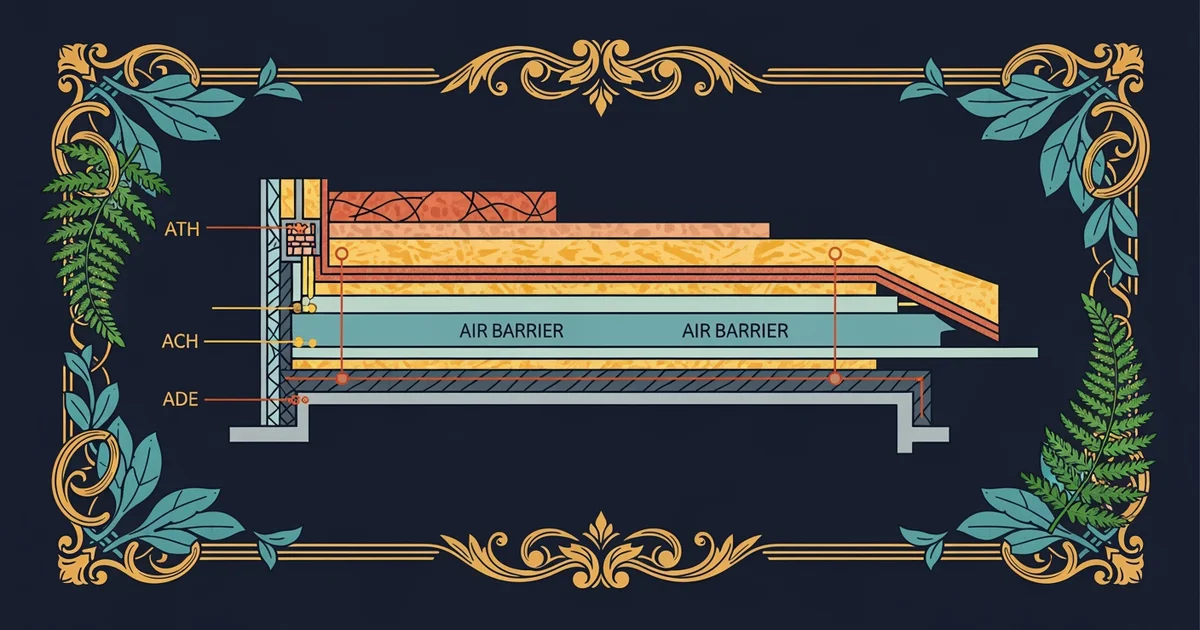
Buildings that follow these standards focus on how they interact with the local environment. A standard home often relies on a loud furnace to fight against cold winter air. In contrast, a high-performance structure uses a tight envelope to stop heat from escaping. Think of this like wearing a heavy winter coat on a cold day. The coat traps your body heat inside so you do not need an external heater. By sealing every crack, these homes prevent drafts that make rooms feel cold despite the thermostat setting. This approach saves energy by keeping the heat you already have inside the living space.
Key term: Passive House — a rigorous, voluntary standard for energy efficiency in a building, which reduces the building's ecological footprint.
Energy efficiency relies on five main pillars that work together to create a comfortable living environment. These pillars ensure the home remains stable regardless of the weather outside. When you design a home with these rules, you minimize the need for active climate control systems. This reduces monthly utility bills and creates a healthier indoor environment for the people living inside. The following list explains the primary strategies used to reach these high standards:
- Thermal insulation acts as a thick blanket around the building shell to prevent heat transfer between inside and outside environments.
- Airtight construction seals all gaps in the walls and roof to stop uncontrolled airflow that carries heat away from rooms.
- High-performance windows use multiple layers of glass and inert gas to prevent heat loss while still allowing natural light inside.
- Thermal bridge-free design removes structural materials that conduct cold from the outside into the warm interior of the home.
- Heat recovery ventilation pulls fresh air inside while capturing heat from the outgoing air to keep the temperature consistent.
Managing Energy Through Design
The performance of these buildings depends heavily on how builders manage thermal energy throughout the year. You must consider the sun as a natural heater during the winter months. By placing large windows on the south side, you collect free solar warmth during the day. During the summer, you use shades to block that same sun from overheating your indoor living space. This passive management turns the building into a smart machine that works with nature rather than against it. You gain control over your comfort by using the physical design of the house itself. This method proves that you do not need expensive technology to maintain a perfect room temperature.
| Feature | Traditional Home | High-Performance Home |
|---|---|---|
| Insulation | Standard amount | High thickness level |
| Airflow | Leaky and drafty | Sealed and controlled |
| Windows | Single or double | Triple-pane glazing |
| Heating | Constant furnace | Minimal auxiliary heat |
This comparison shows how structural choices change the way a house consumes power every single day. Traditional homes lose energy through poor seals and thin walls, forcing the heating system to run constantly. High-performance homes use better materials to lock in heat and keep the interior environment stable for long periods. You can see how the design choices dictate the energy demand of the entire building structure. By choosing better components during the construction phase, you ensure that the home stays comfortable for many decades.
Building a home that maintains comfort with almost zero energy requires a tight, insulated shell that manages heat flow through smart design choices.
This path provides the technical knowledge needed to master the physics of thermal comfort in modern home design.