
Super-insulation Techniques
Imagine wearing a winter coat made of thin tissue paper while standing in a freezing blizzard. You would lose body heat almost instantly because your protective layer lacks the thickness required to stop the cold.
The Logic of Thermal Resistance
Buildings act exactly like your body when they face harsh weather conditions outside. If a wall lacks proper insulation, heat escapes through the structure and forces your heater to work overtime. Architects use thermal resistance to measure how well a material stops this heat flow from moving through a surface. A high rating means the material acts as a stubborn barrier that traps warmth inside your living space during winter months. Think of this like a thick wool blanket that prevents heat from leaving your body while you sleep. The blanket does not create heat itself, but it keeps the heat you already have from drifting away into the cold air. By choosing materials with high resistance, you ensure that your home stays comfortable without needing constant energy input from a furnace or boiler.
Key term: Thermal resistance — the measurement of a material's ability to resist the transfer of heat through its thickness.
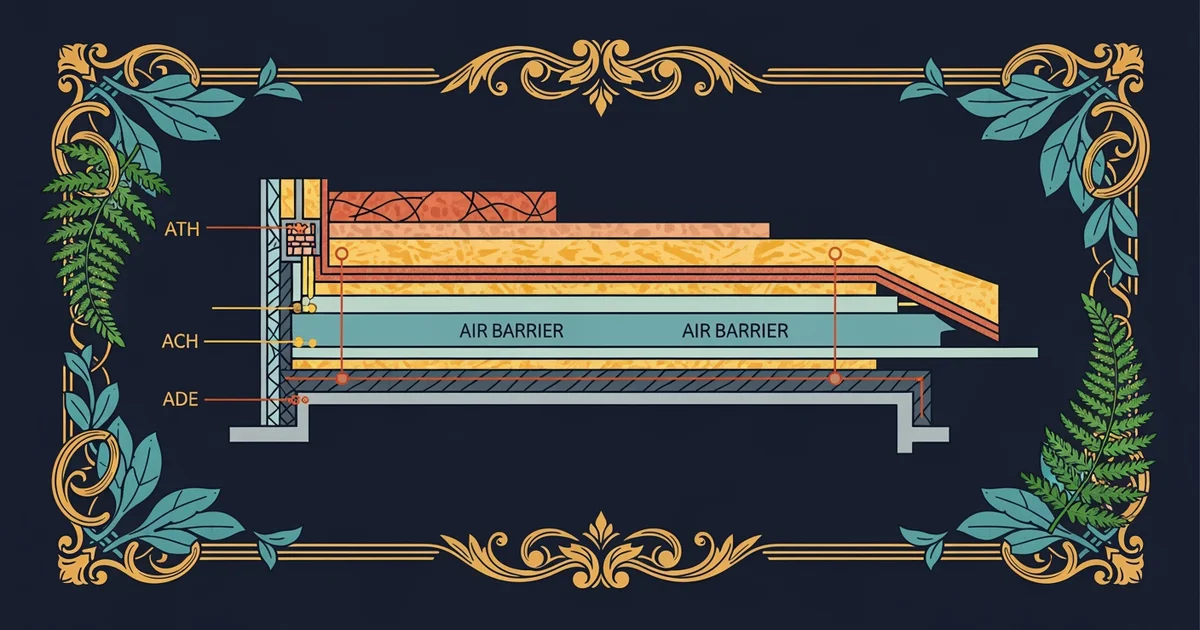
When we talk about super-insulation, we are describing a strategy that goes beyond standard building codes. Most homes use basic fiberglass batts that leave gaps or thin spots where heat can easily leak out. Super-insulation requires a continuous, thick layer of material that wraps around the entire building envelope like a giant thermos. This approach eliminates thermal bridges, which are parts of the house that conduct heat faster than the surrounding walls. If you have ever touched a cold metal window frame in winter, you have felt a thermal bridge in action. By wrapping the home in a thick, uniform blanket of high-quality insulation, we stop these leaks before they even start.
Selecting Materials for Climate Success
Choosing the right material depends heavily on the local climate and the specific part of the building being insulated. Some materials work best in dry, hot areas, while others excel in damp, freezing environments. You must match the material to the job to ensure long-term performance and durability for the structure. The following table compares common insulation types based on their primary features and typical applications within a high-performance building design:
| Insulation Type | Best Use Case | Key Benefit |
|---|---|---|
| Mineral Wool | Fire resistance | Excellent sound dampening |
| Rigid Foam | Exterior walls | High moisture resistance |
| Cellulose | Attic spaces | Recycled paper content |
Each of these materials serves a unique purpose in the total design of a super-insulated home. Mineral wool provides safety because it does not burn easily, making it perfect for areas near electrical wiring. Rigid foam offers a solid barrier that prevents water from seeping into the wooden frame of a house. Cellulose creates a dense fill that settles into tight corners where other materials might leave small gaps. When you combine these options strategically, you create a home that maintains perfect comfort while using almost zero energy for heating or cooling. This careful selection process ensures that your investment in insulation pays off through lower utility bills and a more stable indoor temperature throughout the year.
Super-insulation also relies on the thickness of the material to reach the desired level of efficiency. You cannot simply use a thin layer and expect it to work like a thick one. The more space you provide for insulation, the better the building will perform against the elements outside. This is why high-performance homes often have much thicker walls than standard houses built today. These walls provide the necessary depth to pack in high levels of material that keep the interior environment cozy and quiet. By focusing on both the quality and the quantity of the insulation, you create a robust shield that protects the home from extreme temperature changes. This method transforms a standard building into a high-performance structure that requires very little energy to remain comfortable.
Super-insulation uses thick and strategic material layers to create a continuous thermal barrier that keeps internal temperatures stable without requiring active energy consumption.
The next Station introduces airtight construction methods, which determine how these insulation layers work together to stop unwanted air leaks.