
Retrofit Strategies
When the 1970s energy crisis hit, homeowners in cold climates suddenly found their drafty houses were bleeding expensive fuel through every wall and window. This sudden spike in utility costs forced a massive shift in how we view existing buildings, moving from simple maintenance to complete energy performance overhauls. Retrofitting is not just about changing a lightbulb or adding a little insulation to the attic space. It is a systematic process of upgrading a structure to reach standards that were often impossible when the building was first constructed. Think of this process like tuning an old, inefficient car engine to perform like a modern, high-efficiency hybrid vehicle without replacing the entire chassis.
Strategic Upgrades for Existing Structures
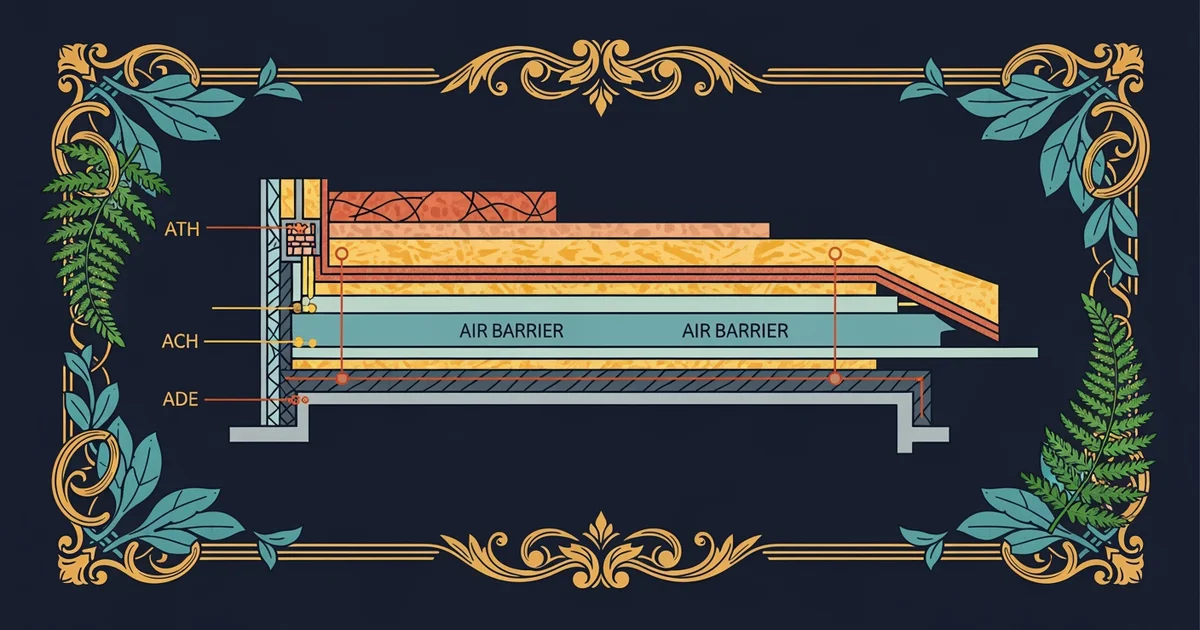
To transform an older home into a high-performance space, builders must focus on the building envelope first. The envelope serves as the primary barrier between the harsh outdoor environment and your indoor comfort. If you try to install a high-efficiency heating system before sealing the leaks, you are essentially trying to fill a bucket that has massive holes in the bottom. You must first identify where the air escapes by using pressure tests to find hidden gaps in the walls. Once you locate these leaks, you can apply air-sealing techniques to create a continuous, airtight barrier that keeps conditioned air exactly where it belongs.
Key term: Retrofit — the process of adding new technology or features to older systems to improve their energy efficiency and overall performance.
After sealing the air leaks, the next priority involves upgrading the thermal insulation levels to meet modern standards. Older homes often suffer from thermal bridging, where heat travels quickly through wooden studs or metal frames, bypassing the insulation entirely. By adding a continuous layer of exterior insulation, you effectively wrap the house in a warm blanket that stops heat from escaping through the structural frame. This approach prevents cold spots from forming on interior walls, which helps maintain a uniform temperature in every room of the house. Proper insulation is the most effective way to reduce the total energy needed for heating and cooling throughout the year.
The Role of High-Performance Components
Once the shell is sealed and insulated, you can address the windows and doors, which act as weak points in the thermal barrier. Replacing single-pane glass with triple-glazed units provides a significant boost to the building's ability to retain heat during the winter months. These modern windows use inert gases between the panes to slow down heat transfer, ensuring that the interior surface stays warm to the touch even when it is freezing outside. Selecting the right frame material is equally important, as it prevents the window from becoming a path for heat to leak out of the structure.
Upgrading building components requires a careful balance of cost and performance, as shown in the table below:
| Component | Primary Function | Retrofit Strategy | Expected Impact |
|---|---|---|---|
| Windows | Light and View | Install Triple-Pane | High Energy Saving |
| Walls | Thermal Barrier | Exterior Insulation | High Comfort Gain |
| Roof | Weather Shield | Attic Air Sealing | Medium Heat Gain |
By following these sequential steps, you ensure that every dollar spent on renovation contributes to a measurable decrease in energy usage. This methodical approach mirrors the energy modeling tools from Station 10, allowing you to predict how these changes will affect your monthly utility bills before you start any construction work. You are essentially building a new, high-performance house inside the shell of the old one, which preserves the character of the original structure while meeting the demands of a modern, sustainable lifestyle.
Retrofitting existing buildings requires a sequential approach that prioritizes air sealing and thermal insulation before replacing mechanical equipment or windows.
But this model becomes difficult to implement when historical preservation laws limit the types of exterior changes allowed on older structures.