
Community Engagement
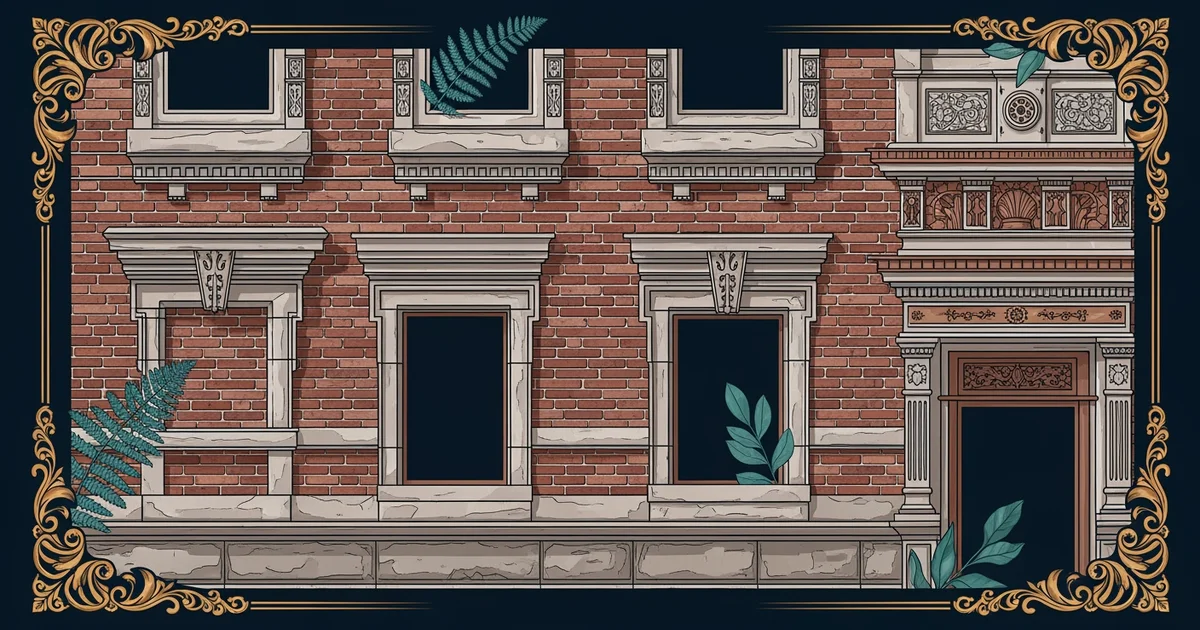
Imagine you walk past a crumbling brick wall every day on your way to school. You might think it is just an eyesore that needs to be torn down for something new. If your neighbors feel the same way, that building will likely disappear before you realize its true value to your town. Saving local landmarks requires more than just money or laws because it depends on the people who live nearby.
Building Public Support
When you want to save a historic site, you must first build a strong foundation of community engagement. This means talking to your neighbors and showing them why the structure matters for the shared identity of the area. Think of this process like planning a neighborhood block party where everyone brings a dish to share. You cannot host a successful event if you do not tell anyone about it or invite them to contribute. By sharing stories about the building, you turn a forgotten pile of bricks into a living piece of local history.
Key term: Community engagement — the active process of involving local residents in decisions that affect their neighborhood and its shared cultural resources.
Successful preservation efforts rely on open communication channels that allow every person to feel heard and valued. When leaders ignore the public, they often face resistance from residents who feel excluded from the process of shaping their own town. You should host meetings where people can ask questions or share their own memories about the site. These interactions build trust and help neighbors see themselves as partners in the mission to save the building. When people feel like owners of a project, they are much more likely to support it long-term.
Strategies for Collective Action
To organize your efforts effectively, you should use specific methods that encourage participation from diverse groups of people. A clear plan helps keep everyone focused on the goal while making sure that your message reaches the right audience. You can use several tools to build this support base:
- Organize public walking tours that invite residents to experience the building firsthand and learn about its hidden history.
- Launch social media campaigns that highlight interesting stories about the site to reach younger neighbors who might be unaware.
- Partner with local businesses that benefit from increased foot traffic to show them how preservation helps the local economy.
These activities create a sense of urgency and excitement that simple posters or emails cannot achieve on their own. By showing people the beauty or function of a space, you change the conversation from what is lost to what is gained. You must remember that people support what they understand, so your primary job is to explain the value clearly. When the community understands the benefit, they become the loudest voices in favor of keeping the landmark standing.
Balancing Perspectives and Needs
Preservation is rarely a simple task because different people often have conflicting ideas about what a building should become. You might encounter residents who want a new park while others want a modern community center instead of an old school. This is where your role as a facilitator becomes vital for reaching a compromise that satisfies the most people. The following table shows how you can address different community concerns during your planning phase:
| Stakeholder Group | Primary Concern | Strategy for Engagement |
|---|---|---|
| Local Business | Economic Growth | Highlight potential for retail and tourism |
| Younger Residents | Modern Utility | Show how old spaces host new creative uses |
| Longtime Neighbors | Cultural Legacy | Record their stories to honor the past |
When you use these strategies, you show that you respect the diverse needs of your town. You are not just saving a building, but you are managing a complex social puzzle. If you can show how the old structure fits into a modern future, you will win the support of even the most skeptical critics. The goal is to create a shared vision where the past informs the future rather than blocking it. By doing this, you ensure that the preservation effort lasts for generations to come.
True community engagement transforms a private preservation goal into a shared public mission by connecting local history to the daily needs of every neighbor.
But what does it look like in practice when you start gathering evidence about a building's history?