
Defining Historic Preservation
Imagine walking past a crumbling stone wall that once held the secrets of a busy town. You might see a pile of old bricks, but others see a story waiting to be told. Historic preservation turns these forgotten structures into active pieces of our shared human history. It is the practice of protecting places that tell us who we were in the past. We do this to ensure that future generations can touch the actual walls that shaped our lives.
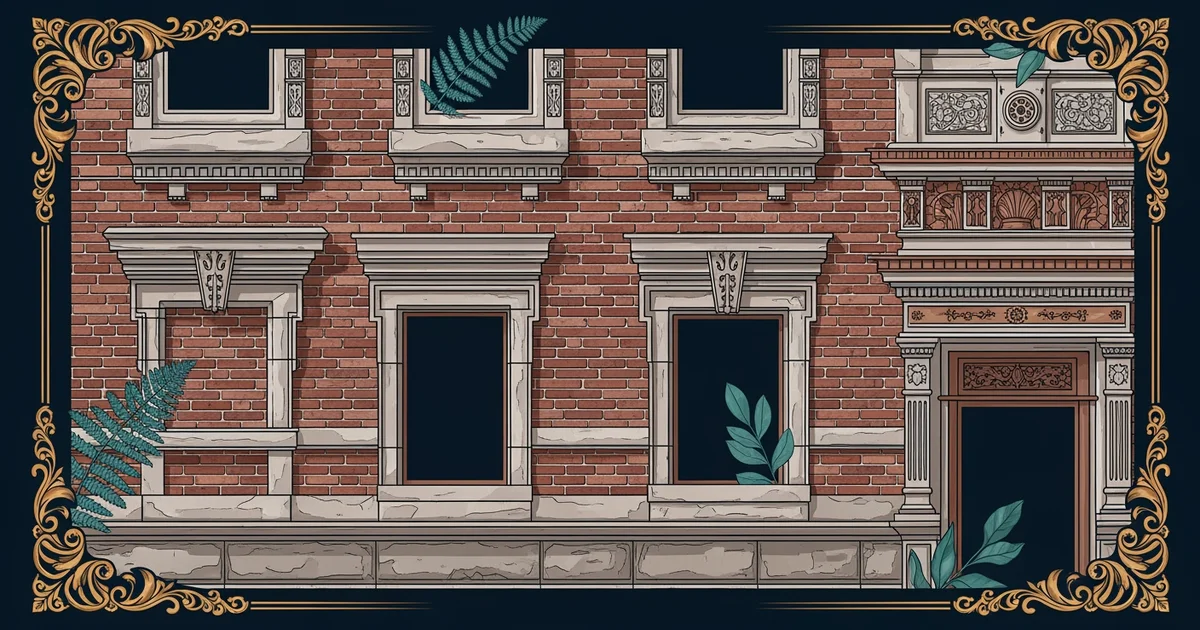
The Purpose of Saving Structures
Preserving buildings is like keeping a library of physical books in an age of digital files. When you hold a physical book, you feel the weight and texture of the paper and ink. A historic building acts as a physical anchor for the memories and events of a community. If we replace every old building with a new one, we lose the tangible evidence of our growth. We choose to save these sites because they provide a unique sense of place. This identity helps people feel connected to their local area in a way that modern glass towers cannot. Without these links to the past, our cities might start to feel like empty stages without any actors or history.
Key term: Historic preservation — the deliberate process of maintaining and protecting buildings or sites that hold cultural significance.
Many people think that saving an old house is just about keeping the paint looking nice. It is actually much deeper than that because it involves saving the craftsmanship of earlier eras. You can see how people lived by looking at the layout of rooms and windows. These features show us how our ancestors solved problems like light and heat. By saving these structures, we learn about the evolution of design and construction methods over time. Each building serves as a silent teacher that explains how our society changed across many decades.
Principles of Heritage Conservation
We follow specific rules to make sure that these historic sites stay authentic and safe. These guidelines help us decide which parts of a building need protection during any repair process. You must balance the need for modern safety with the desire to keep the original look. This work requires a careful plan that respects the history while allowing for current use. The following list shows the core goals that guide these important preservation efforts:
- Authenticity ensures that the materials used for repairs match the original style and texture.
- Sustainability allows us to reuse existing buildings instead of creating waste from new construction projects.
- Community value highlights that these sites must remain accessible to the public for shared learning.
| Feature | Old Building | New Building |
|---|---|---|
| Materials | Natural stone or brick | Steel and glass |
| Design | Hand-crafted details | Mass-produced parts |
| Purpose | Cultural memory | Maximum efficiency |
When you compare these two types of buildings, you see that they serve different human needs. The old building offers a deep connection to time, while the new building focuses on speed. We value preservation because it forces us to slow down and appreciate the work of others. It teaches us that progress does not always mean tearing down what we built before. By keeping these structures, we create a richer environment where the past and future can coexist. This balance is what makes a city feel alive and full of character for everyone who lives there.
Historic preservation serves as a vital bridge by keeping physical evidence of our past to enrich our modern lives.
By understanding these core principles, you will be ready to explore how history adds value to our daily experiences.