
Material Science Basics
Old buildings often stand for centuries, while modern structures seem to fade after just a few decades. Have you ever wondered why a stone wall built hundreds of years ago remains strong while newer homes develop cracks so quickly? Understanding the physical components of these historic structures reveals the secrets behind their lasting endurance. We must study these materials to appreciate how builders of the past worked with nature rather than against it. This knowledge helps us maintain our heritage instead of letting it crumble into dust.
Understanding Natural Building Blocks
Historic preservation starts with identifying the basic components that define a structure. Builders once relied on materials harvested directly from their local environment to ensure long-term stability. This regional focus meant that a house in a forest used local timber, while a structure in a rocky valley used heavy stone. Think of these materials like ingredients in a recipe, where the quality of the foundation determines the final outcome. Just as a chef chooses fresh flour for the best bread, builders selected specific stones or woods to match the climate. Using local, raw materials allowed these structures to breathe and settle without losing their core integrity over time.
Key term: Masonry — the craft of building structures from individual units like stone, brick, or concrete blocks held together by mortar.
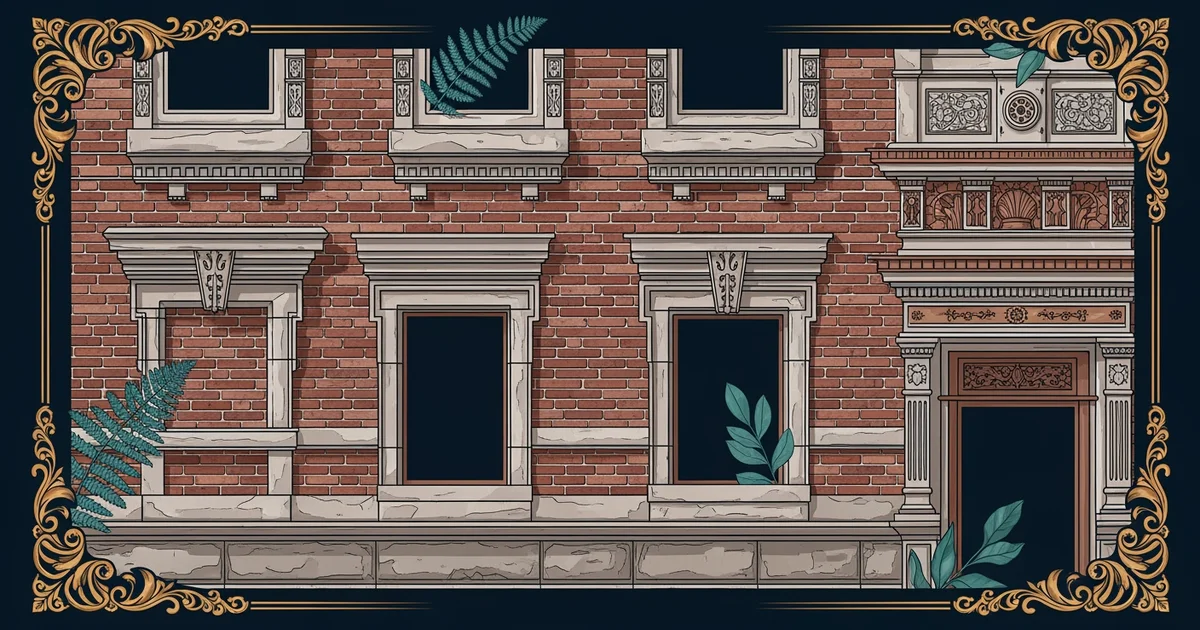
When we look at historic masonry, we see a variety of techniques that protected buildings from harsh weather. Stone serves as a primary material in many older foundations because it resists moisture and heavy pressure. Brick also appears frequently, offering a durable skin that can withstand heat and cold cycles. Mortar acts as the flexible glue between these units, allowing the wall to shift slightly without snapping. If the mortar remains softer than the stone, it absorbs the stress of seasonal changes, which prevents the harder stone from cracking. This clever design ensures that the building can move with the earth instead of fighting against natural forces.
The Role of Timber and Organic Elements
Beyond stone, wood provides the skeletal frame that gives many historic buildings their unique shape and character. Timber framing uses large, heavy beams that support the weight of the entire roof and floor system. These beams often came from old-growth trees, which possess tighter grain patterns and higher density than modern lumber. Because these trees grew slowly, their wood contains natural oils that repel insects and resist rot much better than fast-grown alternatives. This density makes historic timber frames incredibly strong, allowing them to carry heavy loads for centuries without sagging or failing.
To better understand the distinct properties of these classic materials, consider the following traits:
- Granite offers extreme hardness and resistance to water, which makes it ideal for foundations that sit directly in the damp soil.
- Oak provides structural strength for internal frames, as its dense fibers can support massive weight while resisting long-term decay.
- Lime Mortar stays flexible and porous, which allows trapped moisture to escape the wall instead of causing internal pressure buildup.
These materials do not just sit there; they interact with the air and moisture around them every single day. Modern materials often prioritize speed and low costs, which leads to the use of synthetic coatings that trap water inside. When water cannot escape, it causes rot and structural failure behind the walls where we cannot see the damage. Historic structures avoid this fate because their natural materials allow for constant air flow and moisture regulation. By preserving these original components, we protect the structural health of the building for future generations to study and enjoy.
Historic buildings endure because they use natural, breathable materials that work with the environment rather than against it.
We will now explore how these material choices evolved into the distinct architectural styles we recognize today.