
Architectural Styles
Walking through a busy city center, do you ever notice how some buildings feel like heavy stone fortresses while others appear light and airy? These visual differences are not accidental, as they reflect the specific architectural styles chosen by designers to convey meaning during their respective eras. Just as you might pick a formal suit for a job interview or casual clothes for a weekend hike, architects select design elements to suit the social and cultural goals of their time. Understanding these styles helps us appreciate why certain buildings survive while others fade away, providing a roadmap for how we preserve our shared history.
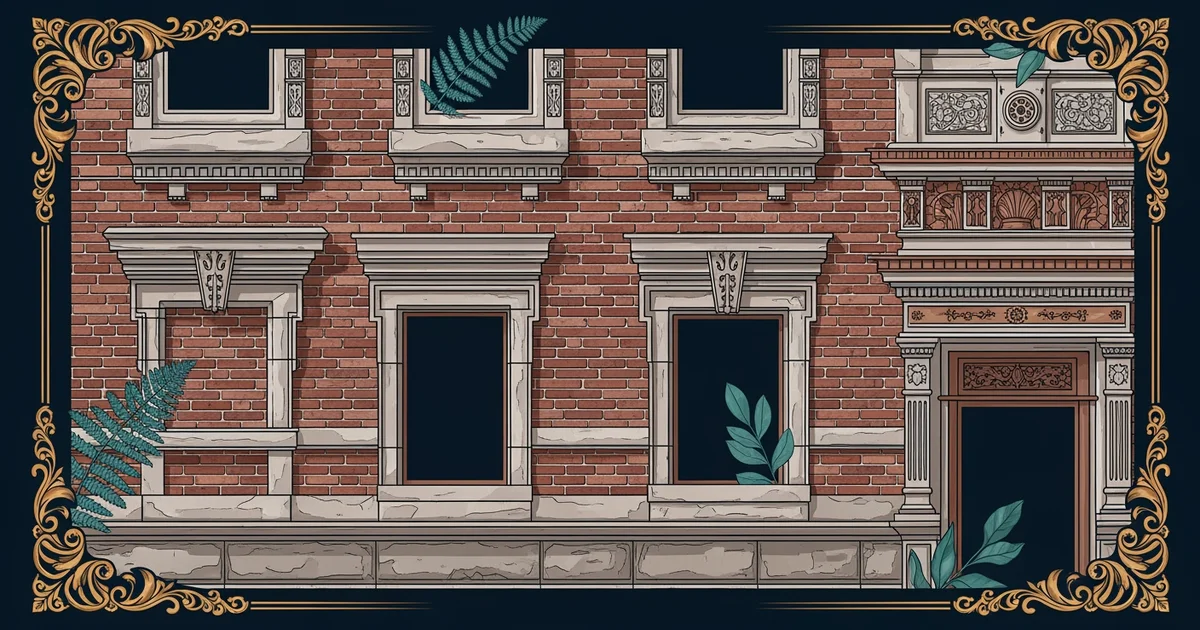
Understanding Design Movements
Architectural styles represent the collective design choices made by builders to solve problems of space, light, and function. Think of these styles like the different genres of music you listen to on your phone. Just as a jazz song uses specific instruments to create a mood, a historical building uses columns, arches, and materials to tell a story about its origin. When we look at a structure, we are essentially reading a visual language that explains what people valued when the foundation was first poured. By categorizing these movements, we can better identify the unique features that make a structure worth protecting for future generations.
Key term: Architectural style — a consistent set of design elements, materials, and construction techniques that define buildings from a specific historical period.
Many people confuse the age of a building with its style, but these are two very different concepts. A building constructed in the modern era might still use ancient design principles to achieve a specific aesthetic effect. When architects revive older forms, they are deliberately connecting us to the past through shared visual cues. This connection is why we often feel a sense of stability when standing near buildings that reflect long-standing traditions. By recognizing these patterns, we can distinguish between original historic works and later interpretations that mimic the look without capturing the original engineering intent.
Comparing Historic Design Elements
To see how these styles diverge, we can look at two major movements that shaped modern cities. Gothic Revival design often features pointed arches, steep gables, and elaborate stone carvings that draw the eye upward toward the sky. In contrast, Neoclassical design draws inspiration from ancient temples, emphasizing symmetry, massive columns, and flat roofs that suggest order and logic. The table below highlights how these two distinct approaches handle the same functional requirements in different ways:
| Feature | Gothic Revival | Neoclassical |
|---|---|---|
| Primary Shape | Pointed and tall | Square and wide |
| Column Style | Slender and clustered | Thick and decorative |
| Roof Profile | Steep and complex | Flat or low slope |
| Window Style | Tall lancet shapes | Symmetrical rectangles |
These differences are not just about looks, as they reveal the underlying philosophy of the builders who created them. Gothic Revival designers wanted to evoke emotion and mystery through complex geometry and vertical height. Neoclassical designers prioritized balance and human reason, using rigid symmetry to create a sense of calm and permanence. When we preserve these buildings, we are protecting these competing philosophies about what a city should represent to its citizens. If we treat all old buildings as the same, we lose the nuanced history of how our ancestors viewed the world around them.
Each style offers a unique way to organize space, much like how different organizing systems help you manage your digital files. If you treat a historic structure like a file, you must understand its format to open it properly without losing data. A Gothic building requires a different preservation approach than a Neoclassical one because their structural skeletons behave in very different ways under pressure. By learning these stylistic categories, we gain the tools to make smarter decisions about which buildings to restore and how to keep them standing for another hundred years.
Recognizing the distinct design elements of architectural styles allows us to understand the cultural goals of the past and make informed decisions about preserving our built environment.
The next Station introduces The Role of Legislation, which determines how these architectural styles are protected through modern legal frameworks.