
The Value of History
Walking past a crumbling stone wall in your town reveals more than just old bricks and mortar. You are actually looking at a physical map of the people who lived there before you.
The Meaning Behind Old Structures
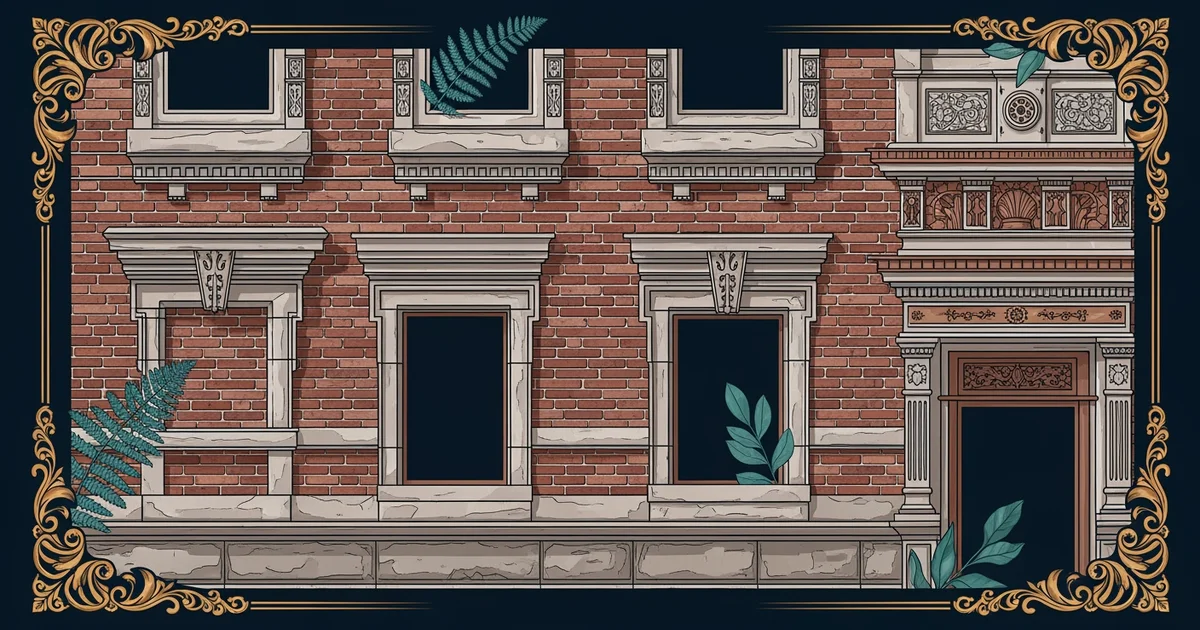
Buildings serve as silent witnesses to the events that shaped our current way of life today. When we choose to keep these structures, we are not just saving wood or glass from a landfill. We are preserving the cultural significance of a place, which acts as a bridge between past and future generations. Think of an old library as a family heirloom that holds memories instead of just storing books. If you throw away that heirloom, you lose the stories attached to it forever, even if the object itself seems worn out or outdated. Keeping these buildings allows us to see how our ancestors solved problems and built their communities. This connection provides a sense of belonging that new construction often lacks because it has no history attached to its walls.
Key term: Cultural significance — the aesthetic, historic, or social value that a building holds for past, present, or future generations of people.
Every city has a unique rhythm that comes from the blend of its old and new architectural styles. When we protect these spaces, we maintain the identity of our neighborhood against the tide of generic development. A town without historic buildings is like a person who has lost their memory of childhood. You might still function, but you lack the context that explains why you act the way you do now. By saving these sites, we keep the lessons of the past visible in our daily routines. This prevents us from repeating mistakes and helps us appreciate the craftsmanship that went into creating our shared environment. We learn to value the effort of those who came before us through the physical evidence they left behind.
Economic and Social Value
Beyond the emotional connection, historic buildings often provide real economic benefits to the local area by attracting visitors. Many people enjoy traveling to places that feel authentic and distinct from the suburban sprawl found everywhere else. This heritage tourism creates jobs and supports local businesses that rely on the unique character of their town. It is like choosing to buy a high-quality vintage watch rather than a cheap plastic one from a store. The vintage item keeps its value over time and tells a story, while the cheap one eventually breaks and ends up in the trash. Investing in the restoration of a historic building often costs less than clearing the land and starting from scratch.
There are several ways that historic buildings contribute to the strength of a modern community:
- They provide a tangible sense of stability by showing that the community has deep roots and has survived through many different eras.
- They encourage local pride because residents feel connected to a specific history that belongs only to their own unique geographic location.
- They offer opportunities for creative reuse where old spaces are transformed into modern offices or art galleries for current residents to enjoy.
When we decide to preserve a building, we are also making a choice about what we value as a society. We are saying that the history of this place is worth more than the temporary convenience of a new parking lot. This decision forces us to look closely at our architectural legacy and decide which parts are worth keeping for the long term. It is a process of curation where we choose the best parts of our past to carry forward into the future. Each building acts as a lesson in design and human needs that we can study to improve our own living spaces. By maintaining these structures, we ensure that our children will have the same chance to learn from the past as we do today.
The value of historic architecture lies in its ability to anchor our modern identity by providing a physical connection to the collective experiences of our predecessors.
We will now explore the physical materials that allow these historic structures to withstand the test of time.