
Preservation Economics
Imagine you own a crumbling historic home that costs a fortune to repair every single year. You might wonder if tearing it down to build a cheap, modern structure makes better financial sense. This is the central tension for property owners who want to save history while keeping their bank accounts healthy. Preservation is often viewed as a costly hobby for the wealthy, but specific economic structures exist to make this path viable for everyone. Understanding these tools helps owners turn a financial burden into a long-term asset that gains value over time.
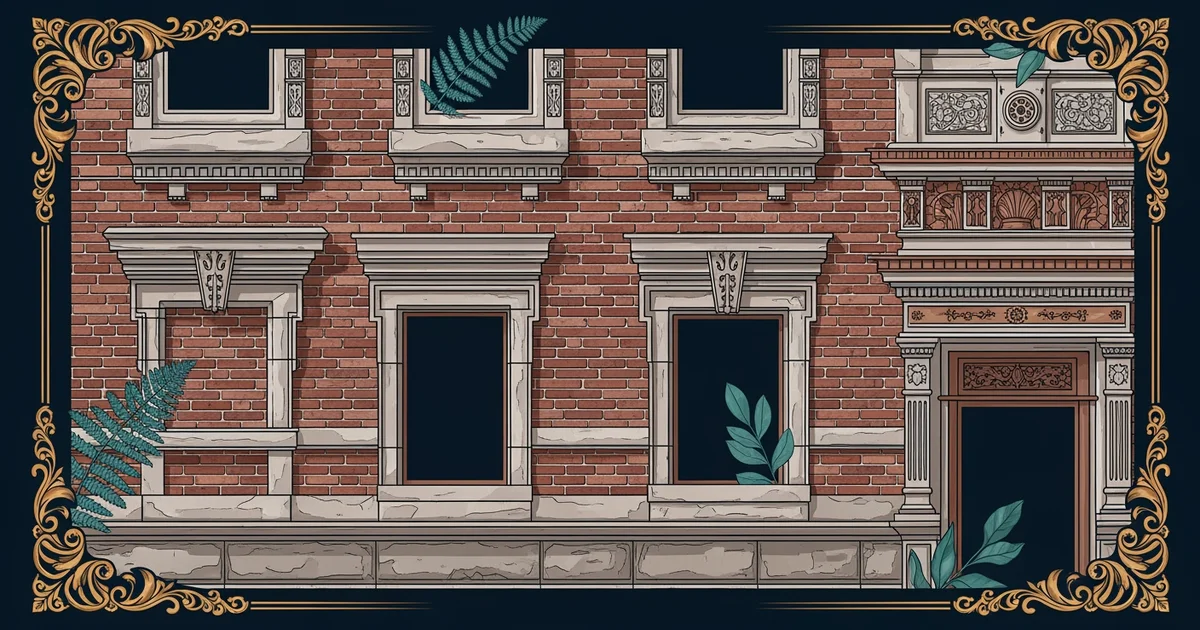
Financial Incentives for Heritage Preservation
When we talk about saving old buildings, we must look at the preservation tax credit as a primary tool. This credit allows property owners to subtract a portion of their renovation costs from their total tax bill. Think of this like a store coupon that applies specifically to the expensive labor needed for historic repairs. Instead of paying the full price for structural restoration, the government covers a significant percentage of those costs through tax savings. This system turns the high cost of specialized labor into a manageable investment that pays back over many years.
Beyond tax credits, local governments often provide grants to encourage the upkeep of significant local landmarks. These grants function like a scholarship for your building, providing direct cash payments to fund specific restoration tasks. Owners must usually prove that their project follows strict guidelines to keep the historic character intact. When you accept this money, you agree to keep the building preserved for a set period. This ensures that public funds support projects that provide lasting value to the entire neighborhood rather than just private owners.
Key term: Adaptive reuse — the process of repurposing an existing building for a use other than that for which it was originally designed.
Economic Benefits of Long-Term Ownership
Many people assume that old buildings are money pits, but this view ignores the long-term value of original craftsmanship. Modern construction often uses materials that degrade quickly, requiring full replacement every few decades. In contrast, historic buildings often feature high-quality materials like old-growth wood or stone that last for centuries. When you maintain these elements, you avoid the recurring cost of replacing cheap modern parts. This durability is the hidden engine of preservation economics, as it keeps your maintenance budget lower over the long run.
To see how these financial pieces fit together, consider the following benefits of choosing preservation over demolition:
- Property tax assessments often stabilize because historic districts are viewed as desirable and stable neighborhoods.
- Energy efficiency upgrades can be layered onto existing structures to lower monthly utility bills effectively.
- Historic status increases the resale value because buyers seek out the unique character of older homes.
Comparing different financial tools reveals how owners manage their budgets during a major renovation project:
| Tool Type | Primary Benefit | Requirement |
|---|---|---|
| Tax Credit | Reduces tax bill | Follow standards |
| Cash Grant | Direct funding | Public access |
| Low-Interest Loan | Easier borrowing | Historic status |
Choosing to preserve a building is not just about nostalgia, but about making a smart economic decision for your future. By using available credits and grants, you offset the initial costs of skilled labor and high-quality materials. When you view your property as a long-term asset, the math shifts in favor of restoration. You protect your investment while contributing to the unique character of your community for generations to come.
Preservation economics transforms the high cost of heritage maintenance into a sustainable investment through strategic tax incentives and long-term durability.
But what does it look like in practice when we try to involve the local community in these complex financial decisions?