
Thermal Expansion Dynamics
A bridge on a hot summer day might seem perfectly still, but the metal beams are actually pushing against each other with immense force. When the sun beats down on a steel structure, the molecules inside the metal start to vibrate much faster than they do in the cold. This increase in motion forces the individual atoms to push slightly further away from their neighbors, which causes the entire object to grow in size. This process is known as thermal expansion, and it represents a constant challenge for engineers who build large structures that must endure changing weather conditions throughout the year.
The Mechanics of Molecular Motion
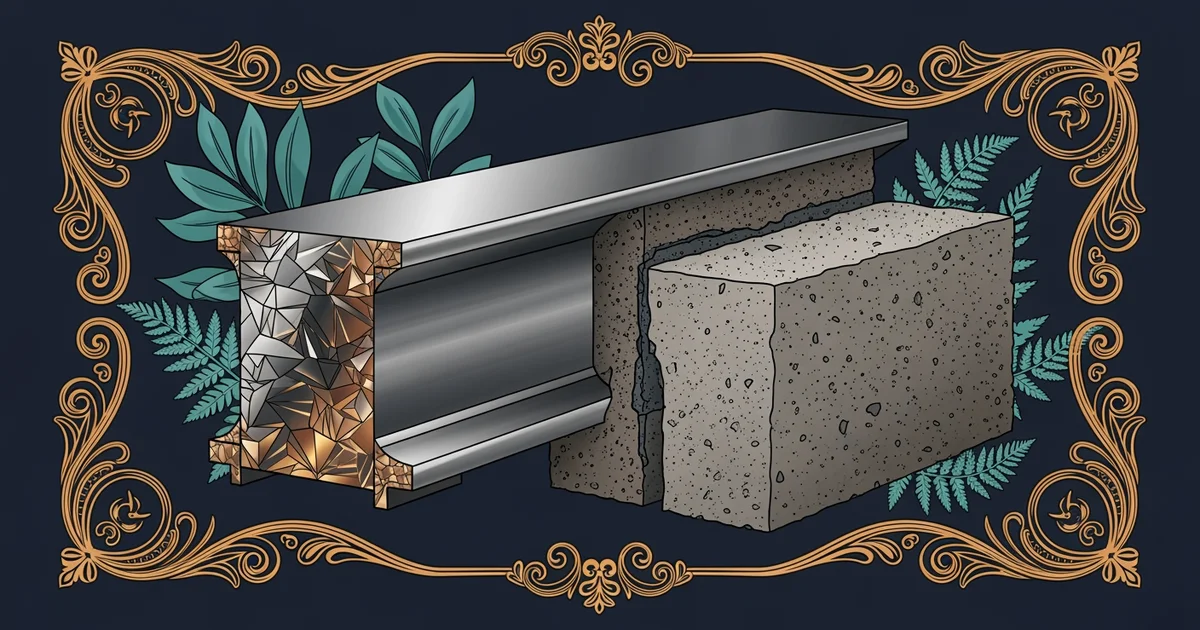
Every solid object around us is composed of tightly packed particles that hold their shape through strong chemical bonds. When heat energy enters a material, these particles gain kinetic energy and begin to oscillate more rapidly in their fixed positions. Because they occupy more space as they move, the material physically expands in all directions to accommodate this internal movement. Think of a crowded dance floor where everyone starts jumping; as people move more vigorously, they naturally need more room to avoid bumping into each other. This physical growth is predictable and measurable for most standard construction materials like steel or concrete. Engineers use specific formulas to calculate how much a beam will grow when the temperature climbs by a certain number of degrees. Without these calculations, a bridge would have no room to grow, leading to massive internal pressure that could eventually crack the support columns or buckle the road surface entirely.
Key term: Thermal expansion — the tendency of matter to change its shape, area, volume, and density in response to a change in temperature.
Managing Dimensional Flux in Infrastructure
To prevent structural failure, architects must design systems that allow for this inevitable expansion and contraction without compromising safety. They often include specialized gaps called expansion joints that act like a flexible hinge between two sections of a bridge. These joints allow the bridge deck to slide back and forth as temperatures rise and fall during the changing seasons. Without these gaps, the force generated by the expanding steel would be strong enough to crush concrete abutments or bend heavy steel girders. The following table illustrates how different common building materials respond to heat, which helps builders choose the right components for specific environments.
| Material | Expansion Rate | Common Use | Flexibility Level |
|---|---|---|---|
| Steel | High | Beams and Trusses | Moderate |
| Concrete | Moderate | Roadway Decking | Low |
| Copper | Very High | Piping and Wiring | High |
Engineers must also consider the environment where the structure will exist to determine the size of these gaps. A bridge built in a region with extreme temperature swings requires much larger expansion joints than one in a stable climate. The design process involves mapping out the historical temperature highs and lows to ensure the material never reaches a state of dangerous compression.
- First, engineers identify the maximum temperature the material will likely face in its local environment.
- Next, they calculate the total linear growth expected based on the material's specific expansion coefficient.
- Finally, they install mechanical joints that provide enough clearance to absorb this growth safely.
When these steps are followed accurately, the structure remains stable regardless of the weather. The goal is to create a system that breathes with the environment rather than fighting against the laws of physics. If the joints are too small, the material will eventually fail under its own internal stress. If they are too large, they might create a bumpy ride for vehicles or allow debris to clog the mechanism. Precise engineering ensures that the bridge remains a safe passage for everyone who uses it every day.
Predicting how materials change size under heat allows engineers to design structures that safely accommodate natural movement without sustaining permanent damage.
But what does it look like in practice when these materials begin to weaken or break down over long periods of time?