
Corrosion and Degradation
Rust flakes off a steel bridge like old paint, revealing the hidden decay gnawing at the structure beneath. This silent process transforms strong metal into brittle dust, threatening the integrity of our modern built environment.
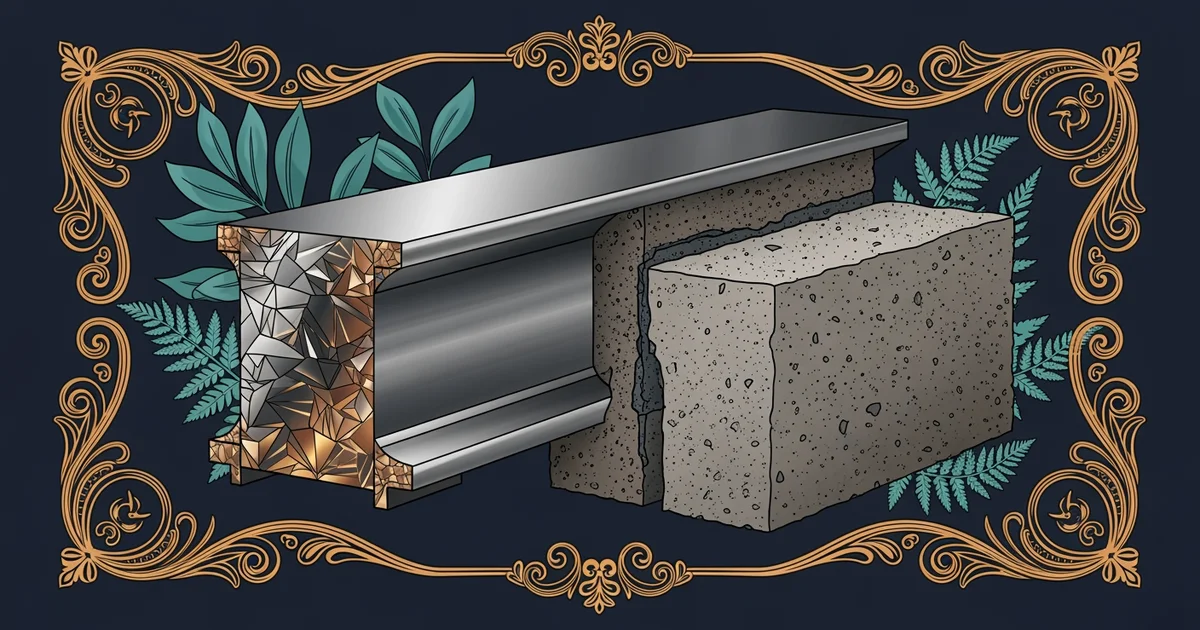
Chemical Pathways of Material Decay
When iron atoms encounter oxygen and moisture, a chemical reaction known as corrosion begins to compromise the metal surface. Electrons move from iron to oxygen, creating an electrochemical cell that functions much like a battery. This flow of energy causes the iron to lose its structural identity and form iron oxide. Think of this process like spending money from a savings account without adding any new income. Eventually, the balance drops to zero, and the structure loses its ability to support the weight it once carried. This decay is not just surface deep, as the reaction travels inward over time.
Key term: Electrochemical cell — a device or environment where chemical reactions transfer electrons to create an electrical current that drives material breakdown.
Environmental factors significantly accelerate this degradation process by providing the necessary ingredients for chemical reactions. Salt, for instance, acts as a catalyst that increases the conductivity of moisture on metal surfaces. When salt enters the pores of concrete, it creates a highway for ions to move between the steel and the surrounding air. This constant movement ensures that the iron atoms continue to oxidize at an alarming rate. Without protective barriers, the metal becomes porous and weak, losing its original strength and rigid form.
Mitigation Strategies for Structural Integrity
To stop this cycle of destruction, engineers must implement specific strategies to shield structural materials from harmful environmental exposure. One common method involves applying protective coatings that act as a physical barrier against oxygen and water. Another advanced approach utilizes cathodic protection, which redirects the electrical current to a sacrificial metal piece. This sacrificial metal corrodes instead of the main structure, essentially taking the hit to preserve the primary frame. By managing the flow of electrons, we can effectively trick the environment into ignoring the critical steel supports.
| Mitigation Method | Primary Mechanism | Best Application |
|---|---|---|
| Barrier Coating | Blocks moisture | Exposed steel beams |
| Cathodic Protection | Redirects current | Buried pipes and tanks |
| Concrete Sealants | Fills surface pores | Reinforced bridge decks |
These methods represent the front line of defense in maintaining the safety of our infrastructure systems. Proper maintenance requires regular inspections to detect early signs of rust before they become structural failures. If we ignore these small indicators, the cost of repair grows exponentially as the decay spreads through the entire system. Engineers must balance the cost of these protective measures against the long-term risk of total collapse. Choosing the right strategy depends on the specific environment, the material type, and the expected lifespan of the structure.
- Protective coatings provide a thin layer of defense that prevents moisture from reaching the metal core.
- Sacrificial anodes attract the corrosive reaction to themselves so the main steel structure remains completely intact.
- Corrosion inhibitors are chemical additives mixed into concrete to slow down the movement of harmful ions.
These interventions demonstrate how scientific understanding allows us to fight back against the natural tendency of metals to return to their original, oxidized state. By carefully controlling the chemical environment, we ensure that our buildings and bridges remain safe for generations to come. We must remain vigilant in our efforts to monitor these systems, as the environment never stops trying to reclaim the materials we use for construction. The science of decay is a constant battle between human engineering and the relentless forces of nature.
Managing the flow of electrons and moisture is the primary way we prevent the natural breakdown of structural materials.
But what does it look like in practice when we apply these chemical defenses to reinforced concrete structures?