
Sustainable Urban Planning
In the city of Curitiba, planners redesigned local bus lanes to function like a subway system on wheels. This shift reflects sustainable urban planning, which treats city growth as a social process rather than just a technical task. When we organize our streets, we decide how people interact with their neighbors and the environment. This is a direct application of the social systems discussed in Station 1, where human choices directly shape our collective planetary health.
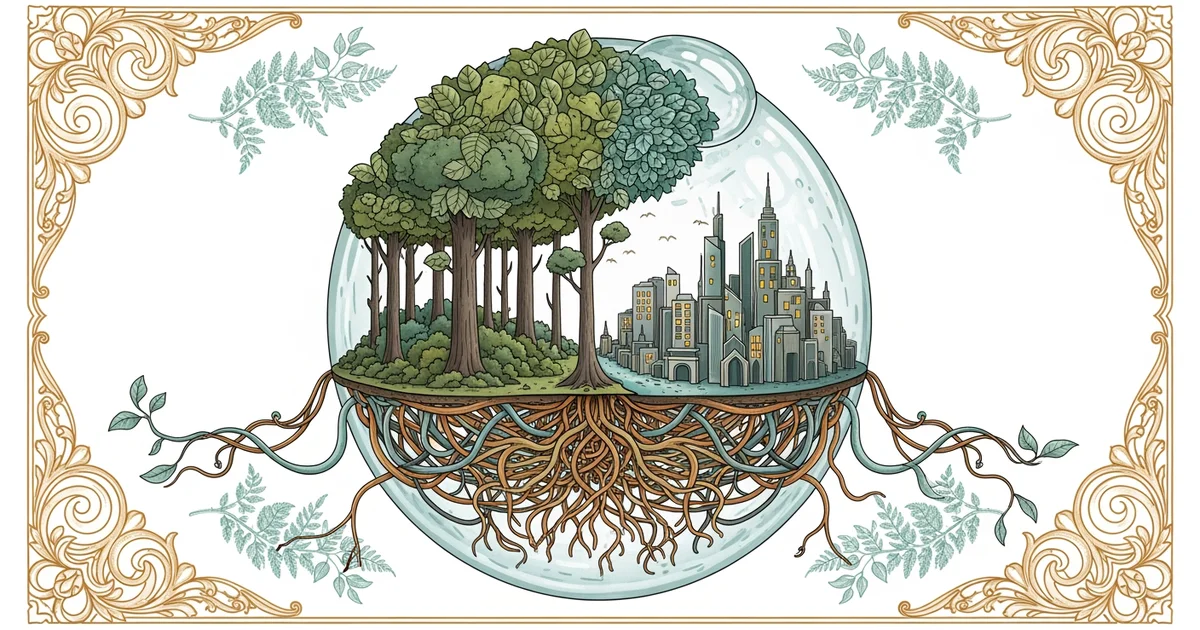
Designing for Social Connectivity
Urban spaces influence human behavior by defining where people walk, gather, and interact daily. When planners prioritize wide sidewalks over massive parking lots, they encourage movement and spontaneous social contact between residents. This design strategy lowers the reliance on personal vehicles, which reduces total carbon emissions significantly over time. Think of a city like a giant living organism where streets act as the veins for social life. If the veins are blocked by traffic, the social health of the community begins to suffer from stagnation. By clearing these paths for pedestrians and public transit, we allow the lifeblood of social interaction to flow freely again.
Key term: Sustainable urban planning — the practice of designing city environments to meet current needs without compromising the ability of future generations to thrive.
Planners must balance the needs of diverse groups to ensure that green spaces remain accessible to everyone. If a new park is only built in a wealthy neighborhood, the social divide within the city grows wider. True sustainability requires that environmental benefits, such as clean air and cooling shade, reach every single resident equally. This approach prevents the formation of isolated pockets where residents lack basic access to nature. When we design for equality, we build a stronger social fabric that can withstand future environmental challenges together.
Integrating Infrastructure and Ecology
Modern cities often struggle with the heat island effect, where concrete surfaces absorb and trap heat. This phenomenon makes urban centers much warmer than the surrounding rural areas during the summer months. To combat this, smart urban design incorporates green infrastructure to help regulate local temperatures naturally. These features include rooftop gardens, permeable pavements, and extensive tree canopies that provide shade. These elements act like a natural air conditioning unit for the entire city block. By cooling the air, we reduce the energy demand for indoor cooling systems in nearby buildings.
To implement these strategies effectively, planners often rely on a specific set of tools to measure impact:
- Mixed-use zoning allows residential and commercial spaces to exist in the same building, which shortens commute distances for most residents.
- Public transit priority lanes ensure that buses move faster than private cars, making shared transportation a more attractive option for daily commuters.
- Community garden plots turn unused vacant lots into productive spaces that provide fresh food while building local social bonds between neighbors.
These tools work best when residents participate in the planning process to voice their specific local needs. When citizens help design their own neighborhoods, they are more likely to care for the shared spaces they created. This sense of ownership turns a simple city block into a vibrant, resilient community hub. Urban planning is not just about concrete and steel, but about the people who live within these structures.
Sustainable urban planning succeeds when it aligns physical infrastructure with the social needs of a diverse community to foster long-term environmental balance.
But this model faces significant hurdles when local political interests clash with the long-term goals of environmental preservation.