
Urbanization and Ecology
Pavement replaces wild grass while tall steel towers crowd out the local bird populations. When cities expand quickly, they create a new landscape that changes how nature functions every single day. This process of building outward and upward creates a unique set of challenges for the environment around us. We must look at how human growth patterns disrupt the balance of life in these local areas.
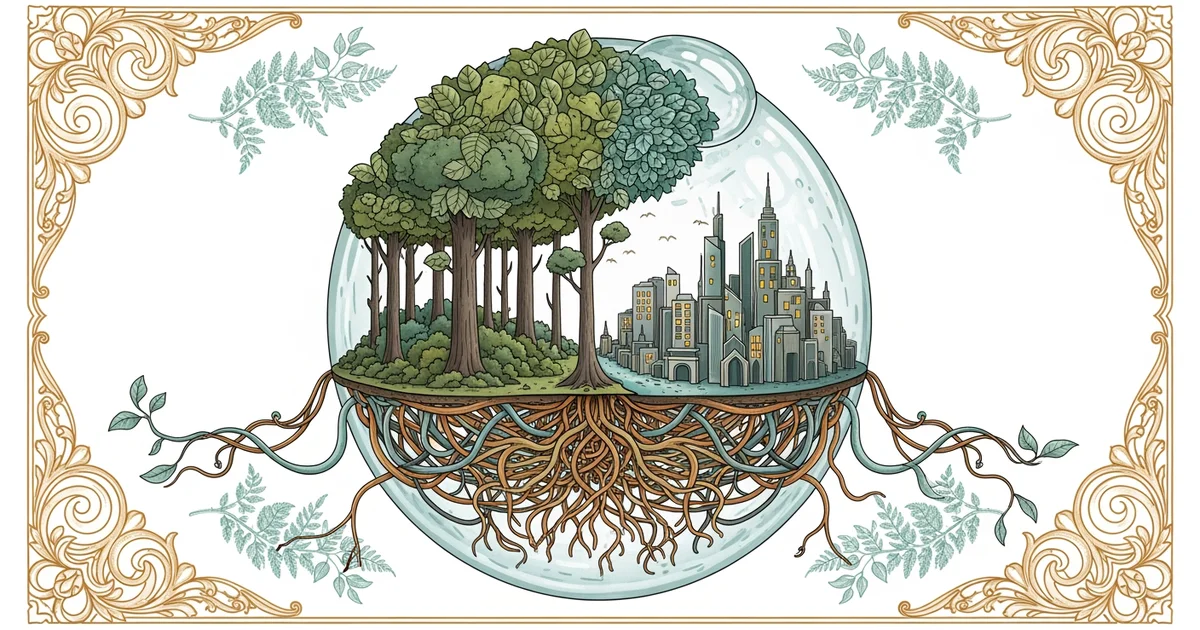
The Expansion of Built Environments
As human populations move into cities, we convert natural land into hard surfaces like concrete and asphalt. This transformation is known as urbanization, which changes the way water and heat move through the ground. Natural soil usually absorbs rain and cools the earth through evaporation. When we cover the land with buildings, water cannot soak into the ground anymore. This runoff carries pollution into nearby streams and creates floods during heavy rainstorms. The city acts like a giant sponge that has been replaced by a solid sheet of plastic. Because the water has nowhere to go, it flows across the surface and collects waste along its path. This change forces local plants and animals to adapt to a landscape that no longer supports their basic needs.
Key term: Urbanization — the social and physical process where human populations shift from rural areas into dense city environments.
Ecology and the Heat Effect
Once a city grows to a certain size, it begins to trap heat in ways that rural areas do not. This phenomenon is called the urban heat island effect, which raises temperatures significantly in city centers. Buildings and roads absorb sunlight during the day and release that warmth slowly throughout the night. This keeps the city much hotter than the surrounding countryside, even after the sun has gone down. Many species of insects and birds find this environment too harsh to survive. They must either move to cooler outskirts or face a decline in their total population numbers. This heat also forces people to use more energy for cooling their homes and businesses. The cycle of heat production creates a feedback loop that makes the city even warmer over time.
Cities often experience specific ecological consequences because of these rapid physical changes to the landscape:
- Habitat fragmentation occurs when large areas of natural space get broken into small, isolated patches that prevent animals from finding food or mates.
- Increased chemical runoff happens because rain washes oil, trash, and pesticides from city streets directly into the local water supply system.
- Altered migration patterns develop as bright city lights and loud noises confuse birds or bats that rely on natural cues to travel.
Managing the Urban Landscape
Planners now try to integrate green spaces to help balance the heavy impact of concrete structures. By adding parks and rooftop gardens, they allow some water to soak back into the earth. These patches of nature act as small lungs for the city, helping to filter the air and provide shade. While these efforts help, they often cannot replace the complex systems of a wild forest or wetland. We must consider how our choices for housing and transportation directly influence the health of our local ecosystems. The growth of our cities is not just a matter of engineering or economics. It is a fundamental shift in how humans interact with the natural world that sustains us.
The rapid growth of our urban centers fundamentally alters the physical landscape, which forces local ecosystems to adapt or perish under the weight of human expansion.
How does this physical transformation of our living spaces influence the way we consume and share environmental information through modern media?