
Media and Environmentalism
When you scroll through your social media feed, images of melting glaciers or extreme weather events often appear alongside advertisements for consumer goods. These conflicting messages shape how you perceive the health of the natural world and your own role in protecting it.
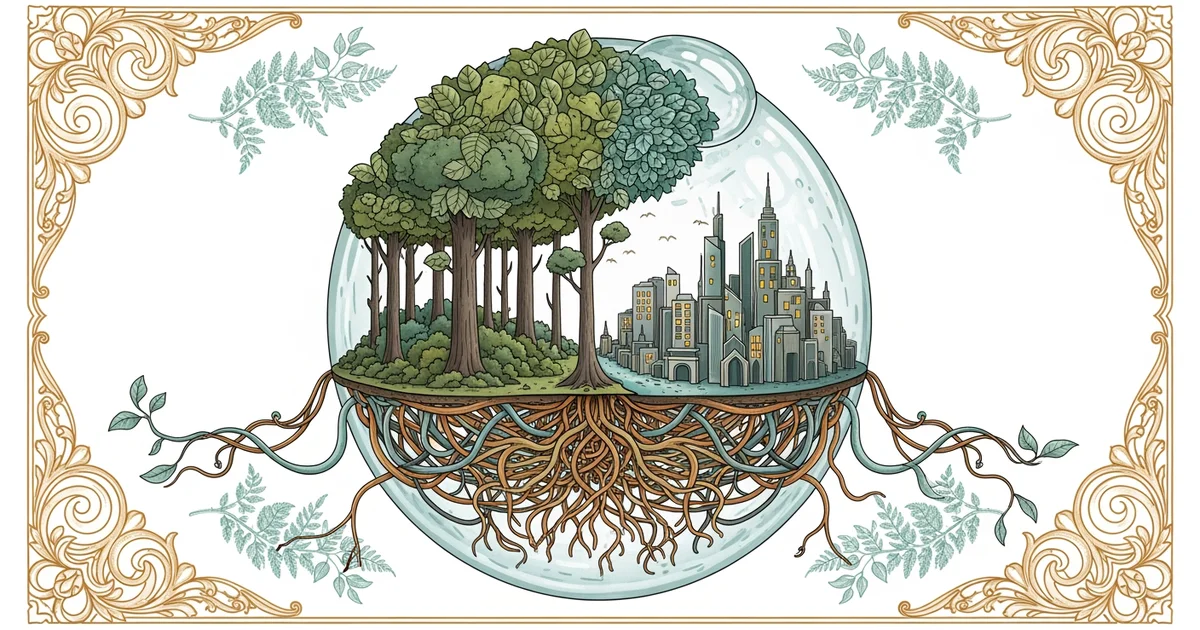
The Construction of Environmental Narratives
News outlets and digital platforms act as the primary filters for our understanding of global ecological shifts. When journalists decide which stories to highlight, they create a specific frame that influences public concern and policy priorities. This process is like a camera lens that can zoom in on a single crisis while blurring the larger context of systemic change. If the media focuses only on dramatic disasters, the audience may feel overwhelmed and helpless rather than motivated to take collective action. Conversely, when coverage highlights solutions and community efforts, viewers often feel more empowered to participate in local sustainability initiatives. The way stories are told dictates whether the public views environmentalism as a series of isolated accidents or a shared responsibility that requires long-term planning.
Key term: Agenda-setting — the process by which media outlets influence the importance placed on specific topics by deciding which issues receive the most coverage.
Media Influence and Public Perception
Once a topic gains traction through constant media repetition, it becomes a central part of the public conversation and political debate. This phenomenon creates a feedback loop where politicians respond to the issues that dominate the news cycle to maintain their popularity. If a news outlet ignores an ecological trend, that issue effectively disappears from the public consciousness, regardless of its scientific urgency. This creates a significant gap between empirical data and what the average person believes is happening in their own environment. The following table illustrates how different types of media coverage impact the way the general public processes complex environmental data:
| Media Format | Primary Strategy | Effect on Audience | Focus Area |
|---|---|---|---|
| Social Media | Viral emotionalism | Rapid, short interest | Immediate crises |
| Print News | In-depth analysis | Long-term awareness | Policy shifts |
| Documentaries | Visual storytelling | Personal connection | Systemic change |
Public perception relies heavily on these formats because most people do not have direct access to scientific research or remote wilderness areas. When media outlets prioritize sensationalism over accuracy, they often distort the public's understanding of how human systems interact with natural resources. This distortion can lead to public apathy or, in some cases, support for ineffective policies that do not address the root causes of ecological degradation. By recognizing these patterns, you can better evaluate the information you consume daily.
Social media platforms have further complicated this dynamic by allowing individual users to become content creators who shape environmental discourse outside of traditional journalism. While this democratizes the conversation, it also allows misinformation to spread faster than scientific evidence can be verified. The speed of digital information makes it difficult for the public to distinguish between genuine advocacy and corporate greenwashing, where companies use environmental imagery to mask unsustainable practices. Developing a critical eye for these narratives is essential for any citizen who wants to make informed choices about their impact on the planet. Understanding the mechanics of media is not just about consuming news; it is about recognizing how the information you receive is curated to influence your behavior and political opinions.
Media coverage acts as a powerful lens that dictates which environmental issues receive public attention, directly shaping the social and political will needed for meaningful change.
But what does it look like in practice when we attempt to design our cities with these media-influenced perspectives in mind?