
The Future of Language
Imagine a world where your phone translates every spoken word into your native tongue instantly. This technology is no longer a dream but a rapidly evolving reality in our daily lives. As digital tools bridge the gap between distant cultures, we must ask how these changes will reshape the way we speak. Will our languages merge into a single global dialect, or will they evolve in unexpected ways due to our screens?
The Digital Influence on Speech
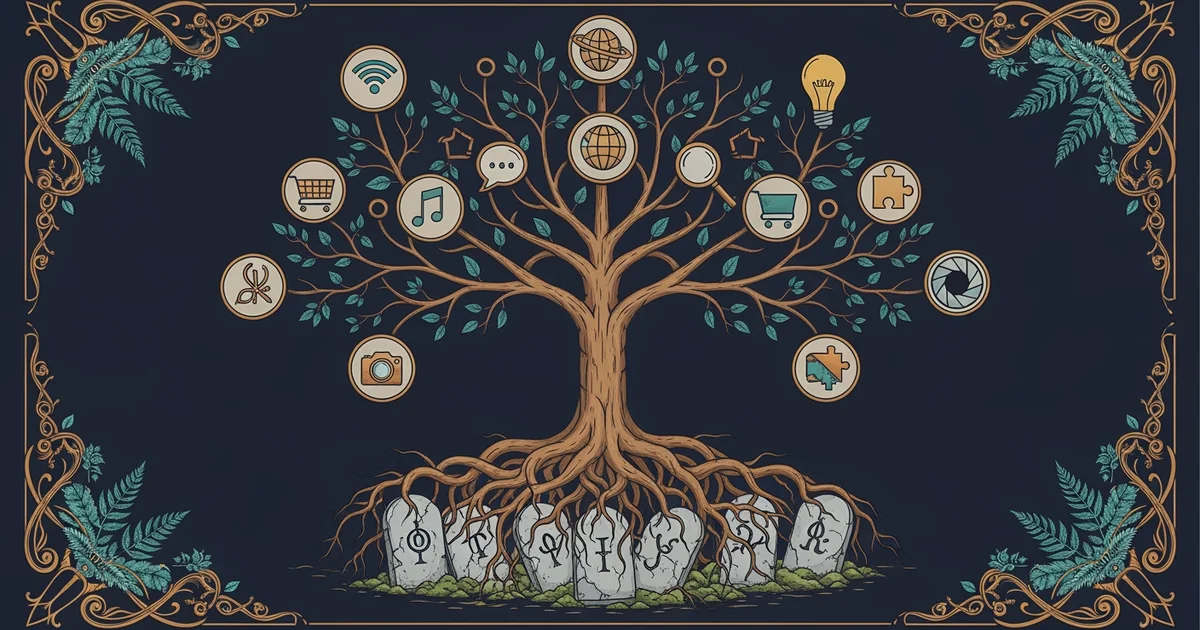
Digital media acts as a powerful catalyst for linguistic change by accelerating the spread of new vocabulary. When we text or post on social media, we often adopt shorthand and emojis to convey complex emotions quickly. This process mirrors the way pidgins once formed when speakers of different languages needed to trade goods. Today, digital platforms serve as the marketplace where global slang takes root and spreads across borders within mere hours. Just as a small investment in a global stock market can yield massive returns, our digital interactions now influence the linguistic habits of millions. The sheer speed of this exchange means that local dialects may fade as they are replaced by a more uniform, internet-driven style of expression.
Key term: Linguistic leveling — the process by which different dialects or languages lose their unique features to become more similar over time.
As we rely on digital assistants and translation software, the pressure to learn a second language might decrease significantly. If a device can handle the nuances of grammar and vocabulary, many people may choose to rely on machines instead of human effort. This shift could lead to a decline in language diversity, as smaller languages struggle to compete with dominant global tongues. Consider how a business decides to use one standardized software across all branches to save costs and improve efficiency. Humans might soon treat language the same way, prioritizing the most functional tools over the preservation of unique cultural heritage. This trend suggests a future where efficiency outweighs the beauty of linguistic variety.
Future Trends in Global Communication
Language evolution has always been tied to human migration and the blending of different social groups. In the past, physical barriers like mountains or oceans kept languages separate, allowing them to develop distinct traits over centuries. Today, the internet has effectively removed these geographic barriers, creating a virtual space where languages collide constantly. We are seeing a synthesis of linguistic history where global connectivity forces rapid adaptation. This interaction creates a tension between the desire for global unity and the human need for local identity. We must wonder if we are moving toward a future where one language dominates or one where we create hybrid forms of speech.
| Feature | Traditional Change | Digital Change |
|---|---|---|
| Speed | Slow and gradual | Rapid and instant |
| Reach | Localized communities | Global networks |
| Driver | Physical migration | Digital interaction |
| Result | Cultural divergence | Linguistic leveling |
We can observe these shifts by looking at how emojis and acronyms function as universal symbols that transcend spoken language boundaries. These symbols act as a shorthand that allows people from different backgrounds to understand the intent behind a message without knowing the underlying grammar. While this simplifies communication, it also risks stripping away the depth that only complex language can provide. The challenge for the future lies in balancing the convenience of digital tools with the preservation of the rich, nuanced histories embedded in our diverse mother tongues. We are at a crossroads where our technological choices will dictate the linguistic landscape for generations to come.
The future of language depends on how we balance the efficiency of global digital tools with the need to maintain the unique cultural identities found in our diverse linguistic roots.
The next step in our journey involves looking at how these isolated threads of history weave together into a final synthesis of human linguistic development.