
Semantic Drift
Imagine you are holding an old, silver coin that once bought a full meal but now only buys a single piece of candy. Language functions in a similar way, as words often lose or gain value in their meaning as they travel through time. This process of change is known as semantic drift, and it acts like a slow, invisible current pushing words toward new shores. While the sound of a word might remain steady, its underlying definition shifts to match the changing needs of the people who speak it. You might find that a word used by your grandparents holds a vastly different weight in your own daily conversations.
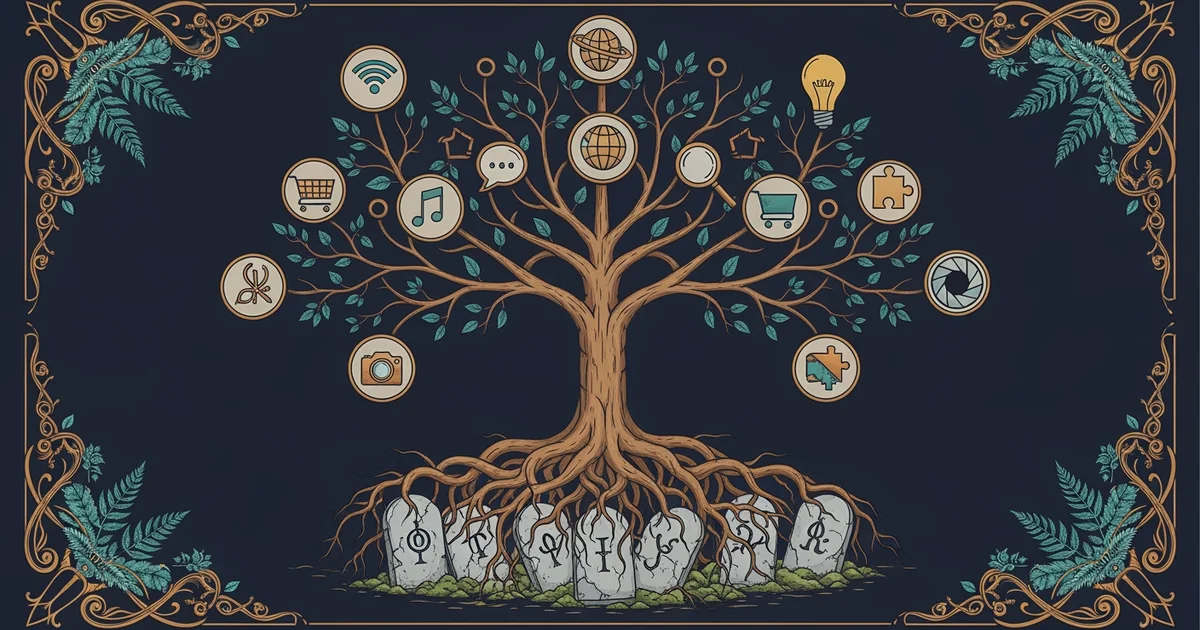
The Mechanism of Meaning Change
When we look at how language evolves, we see that words are not static objects locked in a dictionary forever. Instead, they are flexible tools that adapt whenever society faces a new challenge or a shift in cultural values. Think of a word like a bank account, where the balance of its meaning can rise or fall based on how much the public spends it. If a word is used too often in a loose or general way, it eventually loses its original, specific power. This erosion of meaning happens so gradually that speakers rarely notice the change while it is actually occurring in their speech.
Consider the analogy of a popular social media app that starts as a simple tool for photos but becomes a complex marketplace for shopping. Just as the app changes its function to survive in a competitive digital economy, words adapt their definitions to stay relevant. A word might start as a technical term used by experts, but it eventually bleeds into common language. Once the public adopts the word, they often simplify its meaning to fit their own needs. This shift is not a mistake or a sign of decay, but rather a sign that the language is alive and healthy.
Tracing the Evolution of Definitions
To understand how these changes take root, we can categorize the different ways that a word might drift. Some words become more specific over time, while others expand to cover a much wider range of ideas. This constant movement ensures that we always have the right vocabulary for our current reality. The following table illustrates how common terms have transitioned from their historical roots to their modern applications through the process of semantic drift.
| Word | Original Meaning | Modern Meaning | Type of Drift |
|---|---|---|---|
| Nice | Foolish or ignorant | Pleasant or kind | Positive shift |
| Awful | Full of awe | Very bad or poor | Negative shift |
| Meat | Any solid food | Animal flesh only | Narrowing shift |
These shifts often happen because humans prefer efficiency when they communicate with one another. If a word can do more work, we will naturally push it to cover more ground. We might use a word that originally described a specific type of fabric to describe any kind of material. This broadening makes the language easier to use, even if it sacrifices some of the precision found in older texts. We trade strict definitions for the ability to express complex feelings with a smaller set of words.
Key term: Semantic drift — the gradual process where the meaning of a word changes over time due to social use.
As we observe these patterns, we realize that language is a mirror reflecting our own human history. Every time we speak, we participate in this ongoing cycle of adjustment and refinement. By tracing these changes, we can see how our ancestors viewed the world and how their values differed from our own. It is a fascinating way to map out the hidden history of human culture through the lens of our shared vocabulary. Understanding this process allows us to appreciate why some words feel out of place when we read older literature today.
Semantic drift is the natural evolution of word meanings as they adapt to the shifting needs and cultural values of society.
The next Station introduces loanwords and contact, which determines how external languages influence the growth of our own vocabulary.