
Mapping Language Families
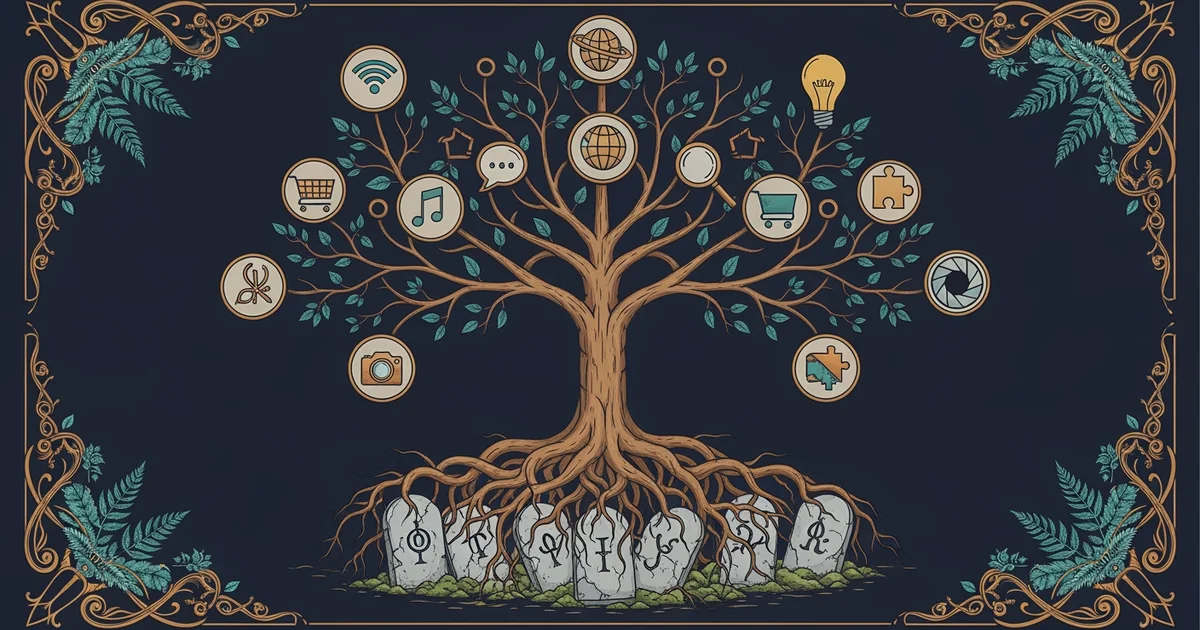
Imagine you are standing in a crowded room where every person speaks a different language, yet you notice subtle patterns in how they greet each other. Just as family members share physical traits like eye color or height, languages often carry hidden markers that reveal their ancient connections and shared origins. When we look closely at the vocabularies and structures of world languages, we find that many belong to a common lineage, much like branches spreading out from a single, sturdy tree trunk. This process of grouping languages allows us to map the complex history of human movement across the globe over thousands of years.
Identifying Language Lineages
To understand how languages relate, we look for shared vocabulary and grammar that suggest a common ancestor. When two languages share similar words for basic concepts like water, fire, or family, it often indicates they descended from a single source language that changed over time. Think of this like a large family business that splits into several smaller shops in different cities. While each shop develops its own unique style and local inventory, they all maintain the same accounting system and management style inherited from the original parent company. This shared core remains visible even after centuries of separation and cultural shifts.
Key term: Language family — a group of languages that share a common ancestral language, often referred to as a proto-language.
Because languages evolve through constant contact and geographical isolation, tracking these changes helps us trace how ancient populations migrated across continents. We use these patterns to organize thousands of distinct languages into manageable groups based on their structural DNA. This systematic approach reveals that most languages spoken today fit into a few major families, each with its own unique history and geographic spread across the modern world.
Mapping Global Language Patterns
When we analyze these groups, we can compare how they differ in their development and current reach. The following table highlights three major language families that demonstrate how different regions have evolved their own distinct linguistic identities over time:
| Language Family | Primary Region | Shared Trait |
|---|---|---|
| Indo-European | Europe and Asia | Complex verb forms |
| Sino-Tibetan | East Asia | Tonal word systems |
| Afroasiatic | North Africa | Root-based patterns |
These families provide a framework for understanding the vast diversity of human speech. By studying these groups, we can see how geography and social interaction shaped the way we communicate today. Each family tells a unique story about the people who spoke it and the environments they inhabited as they moved across the landscape. The way a language changes is never random, as it reflects the specific needs and cultural values of the speakers who use it to navigate their daily lives.
- Indo-European includes many languages that share common roots in grammar and vocabulary, covering a massive geographic area today.
- Sino-Tibetan languages often rely on pitch to distinguish word meanings, which creates a distinct rhythmic quality in spoken conversation.
- Afroasiatic languages utilize specific root consonants to build word families, creating a highly logical structure for expressing complex ideas.
Understanding these connections requires us to look past surface differences and focus on the deep, underlying rules that govern how words are formed and used. As we continue to map these families, we gain a clearer picture of how human culture has expanded and diversified throughout our collective history. This knowledge transforms our view of language from a simple tool for talking into a rich, living archive of our ancestors' journeys. We are essentially reading the map of human migration through the lens of the words we choose to speak every single day.
Mapping language families allows us to organize the vast diversity of human speech into clear historical lineages that mirror the patterns of human migration.
Next, we will examine the physical evidence left behind in written texts that helps us verify these ancient linguistic relationships.