
Personal Agency in Literacy
You walk into a local library and notice a shelf labeled with restricted access signs. Do you feel a sudden urge to read those hidden titles simply because they are forbidden? This natural reaction highlights the complex relationship between human curiosity and the social structures that attempt to manage our reading habits. When we consider the history of literature, we see that the tension between public safety and individual liberty remains a constant force in our cultural development.
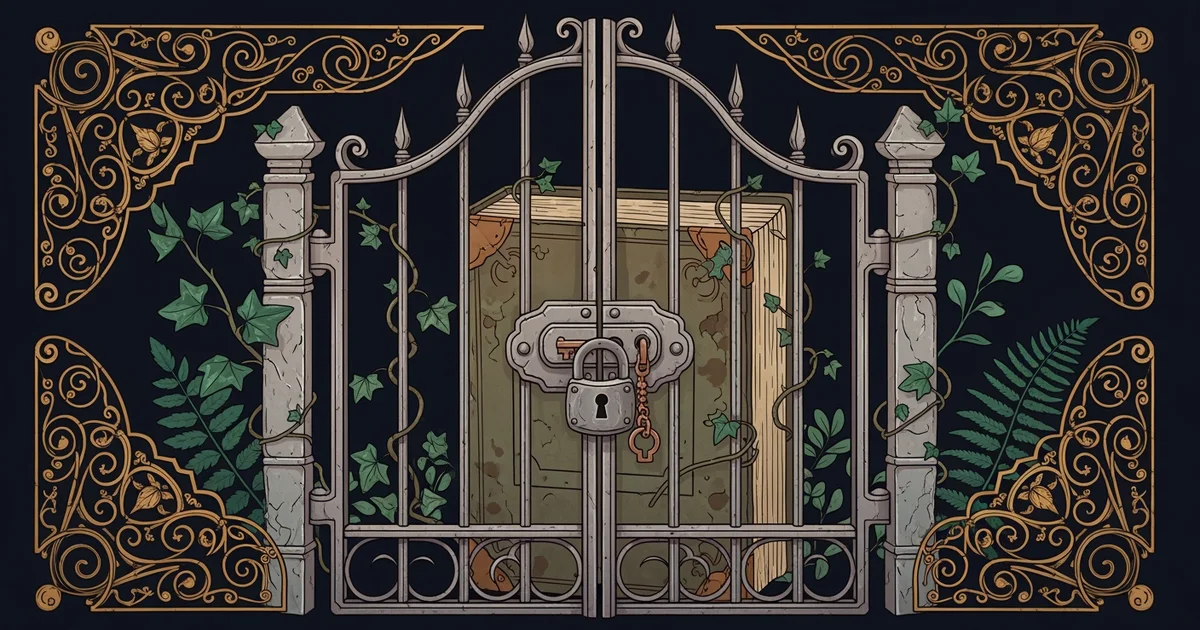
The Psychology of Intellectual Autonomy
Building your own library is an act of defiance against external control and societal pressure. When you choose a book, you are not just consuming words on a page but actively constructing your own worldview. This process requires intellectual agency, which is the capacity to evaluate information independently and form conclusions without outside interference. Think of your mind like a private garden where you decide which seeds to plant and which weeds to remove. If you allow someone else to decide what grows in your garden, you lose the ability to cultivate your own unique perspective on the world. Developing this autonomy is essential because it transforms you from a passive reader into a critical thinker who questions why certain narratives are pushed while others are suppressed.
Navigating External Pressures
Societies often attempt to limit reading access to maintain a specific moral or political consensus. These efforts often reflect the anxieties of a group that fears change or the disruption of established traditions. In our previous discussions, we explored how censorship acts as a gatekeeper for public thought and how digital shifts affect our access to diverse voices. These forces interact to create a landscape where the reader must constantly negotiate between comfort and challenge. To maintain your personal freedom, you should consider the following strategies for evaluating restricted content:
- Investigate the stated reasons for a book removal to see if they align with your own values or if they seem based on unfounded fear.
- Seek out diverse perspectives that challenge your current beliefs to ensure your intellectual foundation is built upon broad evidence rather than narrow assumptions.
- Engage in open dialogue with peers about why certain topics feel threatening to the public to better understand the underlying social tensions at play.
Key term: Intellectual agency — the personal power to select, interpret, and evaluate information sources independently of external social or political pressures.
The Responsibility of the Reader
Having the freedom to read also carries the heavy burden of responsibility toward your own growth. If you only select books that confirm your existing biases, you are effectively censoring yourself and limiting your own intellectual potential. True agency involves the courage to engage with complex, uncomfortable, or even controversial texts that force you to reconsider your stance on difficult issues. By intentionally seeking out a wide array of viewpoints, you build a mental framework that is resilient against manipulation and capable of nuanced reasoning. This practice turns reading into an active exercise of citizenship rather than a simple leisure activity. When you embrace this responsibility, you contribute to a culture that values open inquiry over the safety of silence.
| Action Type | Goal of the Reader | Expected Outcome |
|---|---|---|
| Critical Analysis | Questioning motives | Deeper understanding |
| Broad Exploration | Finding new ideas | Increased empathy |
| Active Defense | Protecting access | Stronger community |
This table illustrates how different reading approaches lead to varying levels of engagement with the world around us. Choosing to be an active participant in your own education requires more effort than simply accepting what is provided by others. However, the reward for this effort is a mind that is truly free to explore the vast range of human experience without being tethered to the fears of the past.
True literacy is the ability to curate your own intellectual path by choosing challenging ideas over the comfort of restricted information.
Developing your own standards for intellectual freedom is the final step in becoming a lifelong learner who can navigate any information environment with confidence.