
Challenging Versus Banning
Imagine you walk into your local library and discover that a popular novel has been moved from the general shelves to a locked cabinet behind the front desk. You wonder if this represents a permanent removal or if someone simply raised a question about the book's content. Understanding the difference between a challenge and a ban is essential for anyone interested in how public institutions manage information. While these terms often appear together in news reports, they represent very different stages of a formal process.
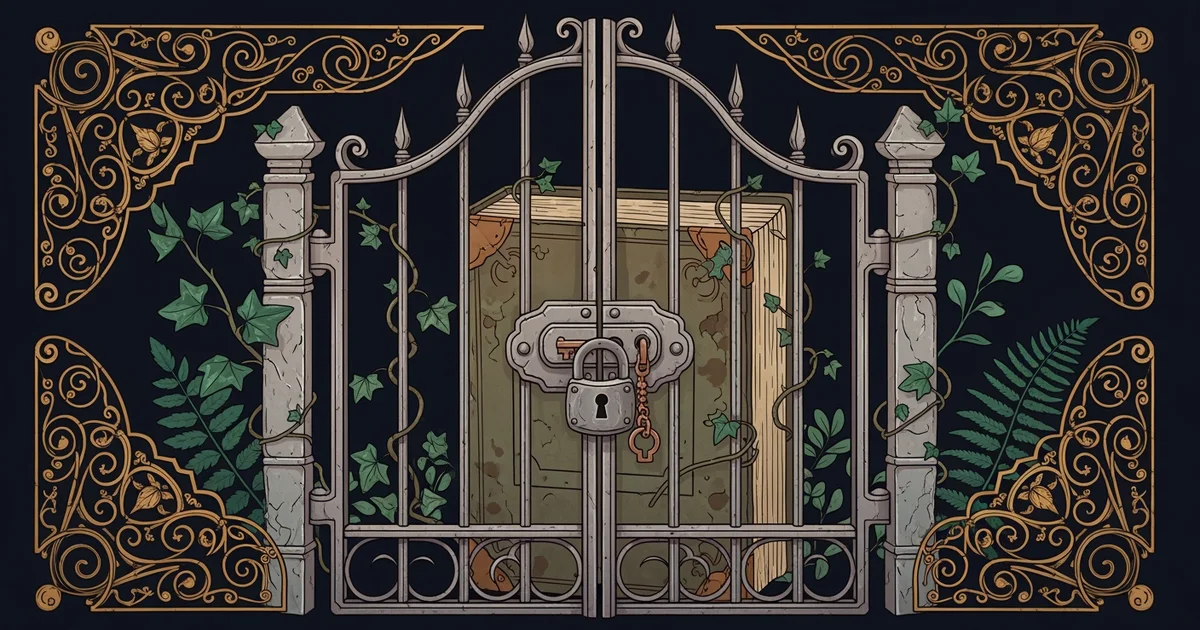
The Anatomy of a Formal Challenge
A book challenge acts as an attempt to restrict access to a specific item based on an objection from an individual or a group. This process usually begins when a patron submits a written request to a library or school board. The person filing the request typically identifies specific passages or themes they find unsuitable for the general public or students. Once the request is filed, the institution must follow a structured review policy to ensure fairness. This policy usually involves a committee of staff members and community representatives who read the material in its entirety. They evaluate the book against established criteria such as educational value, age appropriateness, and the library's mission statement. The goal of this phase is to determine if the material aligns with the institution's goals rather than simply responding to personal discomfort.
Think of a book challenge like a safety inspection for a public building. When an inspector reviews a structure, they look for specific hazards that might violate safety codes. They do not close the building just because one person dislikes the architecture or the color of the paint. Similarly, a library committee evaluates a book to see if it violates established standards for the collection. If the book meets the standards, it remains on the shelf. If the committee finds that the book does not belong in that specific collection, only then might it be moved or removed. This careful review process protects the library from impulsive decisions that could limit the public's access to diverse ideas.
Distinguishing Challenges from Bans
Unlike a challenge, a book ban constitutes the final act of removing an item from public circulation entirely. A ban represents the successful conclusion of an effort to stop others from reading or accessing a specific work. Most libraries and schools rarely use the term ban because they prefer to focus on the review process. However, when the outcome of a challenge results in the permanent removal of a book, the public often describes this as a ban. The distinction matters because a challenge is a request for action, whereas a ban is the completed action itself. Many challenges end with the book staying on the shelf, meaning the vast majority of objections do not result in bans.
To manage these requests, institutions often use a standard procedure to keep the process transparent:
- The initial request requires a formal, written statement from a community member who explains their specific concerns about the book.
- A committee reviews the book using a set of pre-approved guidelines to ensure that personal bias does not dictate the outcome.
- The institution provides a written response to the person who filed the request, explaining the reasoning behind their final decision.
- If the requester disagrees with the decision, they may have the right to appeal the outcome to a higher board or governing body.
This structured approach ensures that the institution remains accountable to the public it serves. By keeping the process public and organized, libraries avoid making secret decisions that could erode community trust. When you see news reports about books being removed, remember that a challenge is just the first step in a long, formal conversation. Most of these conversations reinforce the library's role as a place for all readers to find information, regardless of individual opinions.
A book challenge is a formal request for review, while a book ban is the final removal of material from a collection after that process concludes.
The next Station introduces The Role of Public Libraries, which determines how these institutions protect intellectual freedom for every member of the community.