
Historical Roots of Censorship
Imagine you try to share a secret note with a friend, but a teacher intercepts the paper and shreds it before anyone can read the message. This simple act of stopping information from spreading is how power structures have guarded their influence for many centuries across human history. When authorities decide that certain ideas are too dangerous for the public to consume, they often resort to the physical destruction of written records. This suppression is not just about the text itself, but about controlling the narrative that shapes how people view their world and their leaders. By removing access to specific thoughts, those in power hope to keep the population aligned with their own official version of reality.
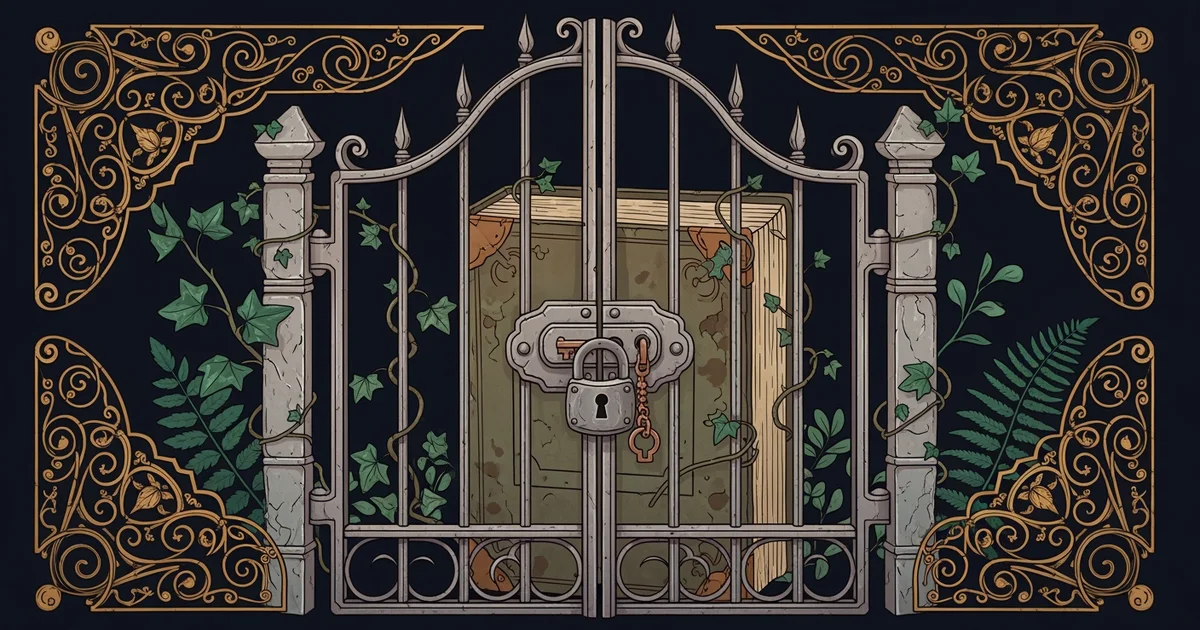
The Mechanics of Early Information Control
Historically, the drive to silence specific voices often stems from a fear that new ideas will disrupt the existing social order. When a ruler feels their grip on authority slipping, they look for ways to limit the flow of information that might inspire rebellion or dissent among their subjects. Think of this process like a gardener who pulls out weeds to protect a prize flower bed from being overrun by unwanted plants. The gardener believes the weeds will steal resources and ruin the garden, just as leaders believe certain books will steal loyalty and ruin their stable society. This analogy helps us see that censorship is rarely about the book itself, but rather about the perceived threat to the environment where the book exists.
Key term: Censorship — the suppression of speech, public communication, or other information on the basis that such material is considered objectionable, harmful, or sensitive.
Throughout history, various empires have used specific tactics to ensure that only approved information reached the common people. These methods were designed to be both efficient and highly visible to serve as a warning to anyone who might consider writing or reading forbidden texts. The following list outlines common historical patterns of suppression used by regimes to maintain control over public knowledge:
- Public burning of scrolls or books serves as a powerful visual symbol that destroys the physical object while also intimidating those who might hold similar views.
- Strict licensing laws require writers to gain official permission before they can legally print or distribute any new material to the general public.
- The creation of prohibited lists alerts the population to which ideas are officially dangerous, effectively turning citizens into monitors of their own peers.
The Long-Term Impact of Suppressed Ideas
When we look at the long-term effects of these actions, we see that the attempt to erase history often fails to stop the spread of the underlying ideas. Even when a physical book is destroyed, the concepts contained within the pages often live on in the minds of those who read them before the purge occurred. This creates a cycle where the act of banning a book actually increases the curiosity of the public, making the forbidden text even more desirable than it was before. The irony of this situation is that the very act of suppression often highlights the importance of the information that the authorities were trying to hide from view.
| Era | Method of Control | Primary Goal |
|---|---|---|
| Ancient | Physical Destruction | Eliminate dissent |
| Medieval | Religious Licensing | Maintain dogma |
| Modern | Digital Filtering | Control narratives |
By examining this table, we can see how the tools of control have evolved alongside our technology, moving from burning paper to filtering digital data. The goal remains the same regardless of the era, as authorities continue to seek ways to limit what the public can see, hear, or learn about the world around them. Understanding these historical roots helps us recognize that the tension between free expression and institutional control is a permanent feature of human society. We must remain aware of how these patterns repeat themselves in our current time, even when the methods of suppression seem more subtle or technologically advanced than they were in the past.
Societies often suppress information because they view new ideas as a threat to their established order, yet this act of control frequently draws more attention to the very concepts they hope to erase.
Now that we understand the historical patterns of suppression, we will explore the underlying human emotions that drive these actions in the next station.