
Political Ideology and Control
Imagine a town where the local library removes every map that shows roads leading to neighboring cities. By hiding these routes, the town leaders ensure that residents only travel where the leaders want them to go. This simple act of removing a map demonstrates how controlling information acts as a powerful tool for maintaining social order. When political groups influence access to literature, they are not just managing shelves. They are actively shaping the boundaries of what citizens can think, discuss, and imagine for their future. Understanding this process reveals how censorship serves as a mechanism for power.
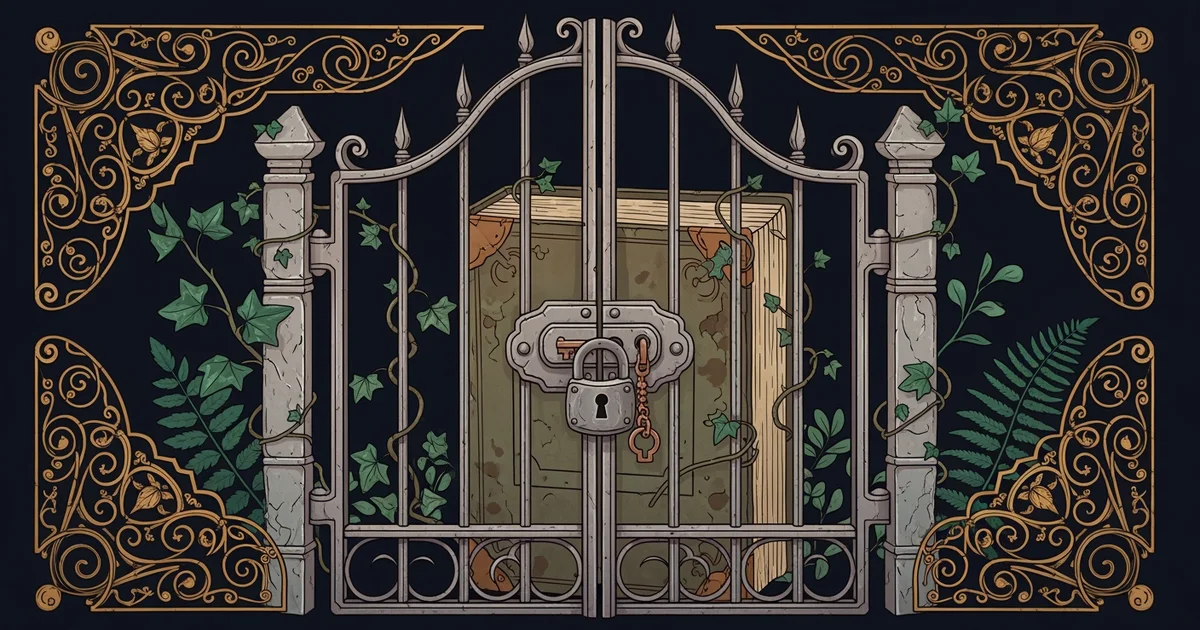
The Mechanics of Political Influence
Political power often relies on the ability to define the shared reality of a community. When a specific group gains influence, they look at public resources like school libraries as extensions of their own ideology. They believe that certain ideas might threaten the stability of their preferred social structure. By removing books that challenge their worldview, these groups effectively shrink the intellectual horizon of the students they serve. This process is similar to a gardener who prunes away specific branches to ensure the entire tree grows in one desired direction. The gardener does not destroy the tree, but they force it to conform to a pre-set shape. This control over information limits the diversity of perspectives that students encounter during their most formative years of development.
Key term: Censorship — the suppression or prohibition of speech, public communication, or other information, often by government or institutional authorities.
When these groups target literature, they often frame their actions as protecting the community from harmful concepts. They argue that certain stories or historical accounts cause unnecessary division or confusion among the youth. However, this argument frequently masks a deeper desire to preserve a specific political status quo. By limiting access to challenging texts, they prevent students from developing the skills needed to navigate complex debates. If students never encounter ideas that contradict their own, they may struggle to form independent opinions later in life. This creates a cycle where the next generation remains aligned with the political goals of those who controlled their early access to information.
Shaping School Governance and Policy
Political agendas often manifest through the policies established by local boards tasked with overseeing educational institutions. These boards act as the gatekeepers for what materials are available in classrooms and libraries. When political ideologies infiltrate these boards, the selection of books changes to reflect the current majority preference. This creates a environment where the curriculum becomes a reflection of political victory rather than a collection of diverse human knowledge. The following table outlines how political groups often justify these changes to the public:
| Strategy | Justification Used | Actual Goal |
|---|---|---|
| Content Review | Protecting innocence | Removing dissent |
| Policy Update | Promoting standards | Enforcing ideology |
| Resource Shift | Budget efficiency | Controlling narrative |
These strategies allow political actors to exert control without appearing to be overtly oppressive. They use the language of safety and standards to make their actions seem like neutral administrative tasks. In reality, these policies serve to filter out any literature that might encourage students to question the existing political order. By shifting the focus toward these procedural changes, they can successfully alter the educational landscape over time. This slow process ensures that the impact of their decisions is felt for years after the board members leave their positions.
Political groups understand that controlling the narrative of history and society is the most effective way to secure long-term influence. They know that if they can define what is considered acceptable or unacceptable, they can dictate the boundaries of public discourse. This is why the struggle over library shelves is often a proxy war for the soul of the community. When you realize that every book removed is a piece of the puzzle missing, the true intent of these groups becomes clear. They are not merely organizing a library; they are designing the intellectual architecture of the future society.
Political censorship functions as a tool for groups to limit intellectual variety and ensure that future generations remain aligned with their specific ideological goals.
The next Station introduces school board governance, which determines how these political groups gain the authority to influence local educational policies.