
The Psychology of Fear
Imagine you are walking through a dark forest at night and hear a sudden, sharp snap of a twig. Your pulse races because your brain assumes a predator lurks nearby, even if the sound was just the wind moving a branch. This automatic response is a survival mechanism that prioritizes safety over accuracy when we face potential threats. Understanding this process helps explain why specific ideas or books trigger intense social anxiety within a community. When we encounter information that challenges our basic values, our brains often treat those concepts like the snapping twig in the woods.
The Biological Roots of Social Alarm
Human beings possess a natural tendency to protect their shared reality from outside disruption because stability feels safe. When a book introduces ideas that contradict long-held beliefs, the brain perceives this as a threat to the group identity. This is similar to how a homeowner might feel anxious when a stranger walks across their lawn without permission. The homeowner does not know if the stranger is a threat, but the instinct to protect the property remains strong. This social anxiety functions as an alarm system that alerts the community to possible cultural shifts. By reacting with caution, people hope to maintain the order they believe keeps their society functioning smoothly and securely.
Key term: Social anxiety — the feeling of distress or unease that occurs when individuals perceive a threat to their group values or social standing.
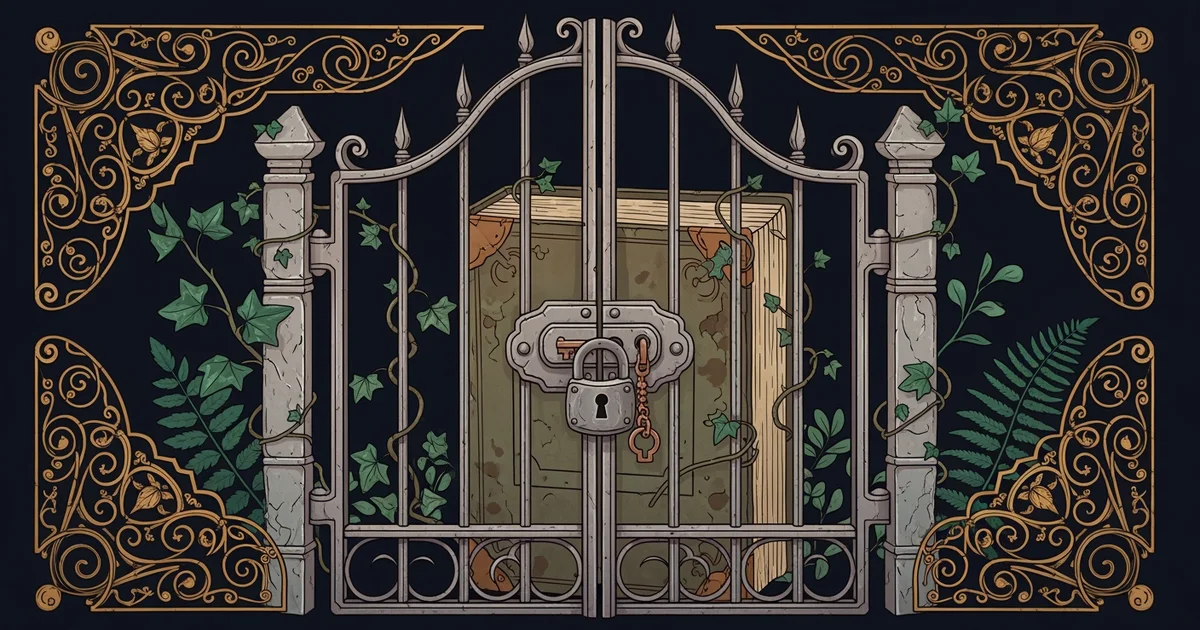
Communities often view books as containers for dangerous ideas that might destabilize the younger generation or weaken established traditions. If a community relies on a specific set of rules to keep order, any text that questions those rules feels like a direct attack. Much like an investor who avoids a volatile stock to protect their capital, a society may avoid volatile books to protect its cultural capital. This reaction is rarely about the book itself but rather about the fear of what might happen if the ideas spread. The goal is to limit exposure to these concepts to keep the collective mindset predictable and unified.
Emotional Triggers in Public Discourse
When people decide to challenge a book, they usually react to specific elements that trigger deep-seated concerns about morality or identity. These emotional triggers act as warning signs that something outside the norm is trying to enter the social circle. The following list details the most common triggers that lead to public concern:
- Moral uncertainty occurs when a text presents complex ethical choices without providing a clear, traditional answer to the reader.
- Identity instability arises when a book forces individuals to question their own place or role within the wider community structure.
- Authority questioning happens when stories depict leaders or institutions as flawed, which makes people worry about the erosion of respect.
These triggers are effective because they tap into our desire for a consistent and reliable environment. If a story makes us feel like the ground is shifting beneath our feet, we naturally want to stabilize that ground by removing the source of the motion. This process is not a sign of malice but a sign of a community trying to preserve its perceived safety. When we recognize these triggers, we can begin to see that book challenges are less about the literature and more about the human need for psychological comfort. We prefer the quiet of a known path to the sudden noise of a new, unknown trail.
| Trigger Type | Emotional Response | Community Goal |
|---|---|---|
| Moral | Confusion | Maintain standards |
| Identity | Insecurity | Protect group role |
| Authority | Distrust | Preserve stability |
By examining this table, we can see how different fears lead to the same desire for control. Each trigger represents a different way our minds try to keep the world feeling familiar. When we remove a book, we are essentially trying to turn down the volume on an alarm that we find too loud to bear. If we can learn to manage this discomfort, we might find that new ideas are not as dangerous as our initial instincts suggest. The challenge lies in balancing our need for safety with our ability to process complex information that might actually improve our understanding of the world.
The fear of books often stems from an automatic human instinct to protect cultural stability against perceived threats to our shared values.
Understanding why we feel this urge to protect our beliefs will help us explore the difference between challenging a book and banning it entirely.