
The Future of Intellectual Freedom
Digital archives are growing faster than our ability to regulate them, creating a landscape where information is both permanent and fragile. Imagine a vast library that updates itself every second, yet relies on a central gatekeeper to decide which shelves remain open to the public. As we move toward a future defined by algorithmic curation, the tools we use to access knowledge are becoming as influential as the books themselves. This shift represents a fundamental change in how societies protect or restrict intellectual freedom in the modern age.
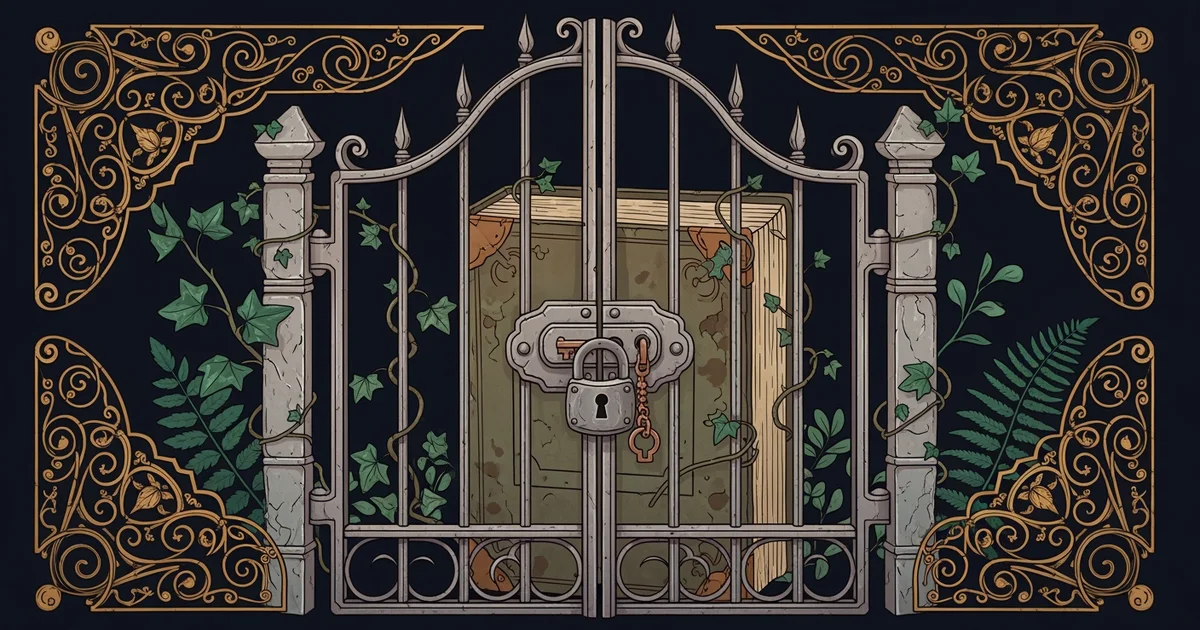
The Evolution of Digital Gatekeeping
Access to literature is moving away from physical buildings and into the realm of private software platforms. When a company controls the interface used to read or search for content, they possess the power to shape what is visible or hidden. This is like a merchant who owns the only road into town and decides which travelers can pass based on their cargo. Unlike physical bans of the past, these digital restrictions are often invisible to the user. A book might remain in a database while being buried so deep in search results that it becomes effectively inaccessible to readers.
Key term: Algorithmic Curation — the process where automated systems prioritize or suppress information based on programmed rules and user data.
This new form of gatekeeping relies heavily on automated systems that categorize content without human nuance. These systems often struggle with context, leading to the accidental removal of educational or historical materials alongside restricted content. When algorithms make these decisions, the lack of transparency makes it difficult for the public to hold anyone accountable for the loss of access. We must consider how the reliance on these automated tools changes the nature of intellectual freedom as we transition into this new era.
Future Challenges for Information Access
As we look forward, the tension between safety and freedom will likely intensify within digital spaces. Societies must decide if private entities should have the authority to define what is appropriate for public consumption. This dilemma echoes the debates from earlier stations regarding the role of community standards versus individual rights. We must reconcile the need for safe digital environments with the necessity of maintaining a diverse and open marketplace of ideas for all users.
| Challenge Type | Primary Driver | Impact on Access |
|---|---|---|
| Algorithmic Bias | Data patterns | Invisible exclusion |
| Platform Control | Corporate policy | Limited availability |
| Legal Pressure | Government rules | Regional censorship |
These challenges require a new approach to literacy that emphasizes the ability to navigate complex digital environments. Understanding how these tools function is now as critical as the reading skills themselves. The future of intellectual freedom depends on our capacity to question the systems that organize our digital lives. We must ask ourselves if we are comfortable delegating the preservation of our cultural record to systems that prioritize efficiency over open access. This is the central problem that will define the next generation of literacy and intellectual discourse.
The future of intellectual freedom rests on our ability to look past the automated filters that shape our digital experience and demand transparency from the platforms that control our access to knowledge.
Your journey continues as we explore how personal agency in literacy empowers you to bypass these digital barriers and claim your right to read.