
Biomolecular Research Methods
Tiny fragments of genetic material hidden within ancient bones act like a dusty, forgotten ledger that records the history of human illness. When scientists extract this material, they recover the biological secrets that skeletal remains alone cannot fully explain to researchers. This process allows experts to peek into the past and see exactly which diseases plagued our ancestors during their daily lives. By looking at these microscopic clues, we can finally confirm how specific pathogens shaped the survival of entire human populations over many centuries.
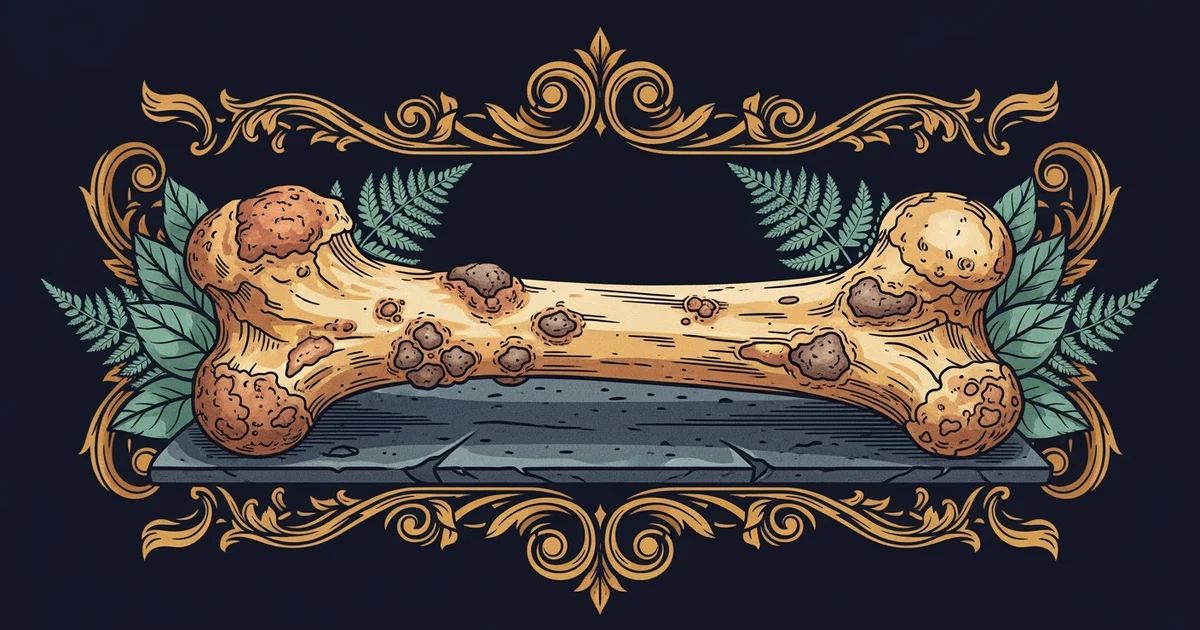
Unlocking the Genetic Vault
To understand how these ancient remains reveal hidden health histories, we must first look at the process of gathering ancient DNA. This material is often degraded, meaning it is broken into many small, messy pieces that require careful assembly by experts. Think of this process like trying to reconstruct a shredded bank statement that has been sitting in a damp basement for hundreds of years. You have to carefully piece together the fragments to see the actual transactions, which in this case are the specific genetic signatures of past infections. When scientists find these markers, they can identify the exact bacteria or viruses that once caused widespread sickness in a community. This method provides a clear, undeniable link between the physical damage seen on a skeleton and the actual disease that caused it.
Key term: ancient DNA — the genetic material recovered from archaeological samples that provides a biological record of past organisms.
Before this technology existed, researchers relied only on visual patterns of bone decay to guess the cause of death. While some conditions leave clear marks on the skeleton, many soft-tissue diseases leave no physical trace at all on the bone structure. By using molecular tools, we can now detect these hidden pathogens even when the bones appear mostly healthy to the naked eye. This advancement acts like a high-powered lens that brings a blurry image into sharp focus, allowing us to see the full story of human health. The combination of skeletal evidence and genetic data creates a much more complete picture than either method could provide on its own.
Confirming Diagnoses Through Molecular Evidence
When we compare physical bone changes with genetic data, we can verify if a suspected disease truly caused the health decline. This verification process involves several distinct steps to ensure the accuracy of the findings for the research team:
- Sample Collection: Researchers carefully remove a small amount of bone powder to preserve the integrity of the original skeletal specimen.
- Laboratory Extraction: Scientists use specialized chemical solutions to isolate the remaining genetic material from the surrounding environmental soil and mineral contamination.
- Genetic Sequencing: The team reads the chemical code of the extracted material to look for specific patterns that match known human pathogens.
- Data Correlation: Experts compare the identified pathogen signatures against the visible lesions or bone markers present on the skeletal remains to confirm the diagnosis.
This systematic approach ensures that our conclusions are based on hard biological facts rather than just educated guesses about the past. By using this method, we can distinguish between a chronic condition that lasted for years and an acute infection that killed the person quickly. This level of detail changes how we interpret the history of migration, trade, and even the social response to outbreaks throughout human history. Understanding these dynamics helps us see how humans have successfully adapted to new health threats over thousands of years.
| Method Type | Primary Focus | Main Advantage |
|---|---|---|
| Skeletal Analysis | Bone shape | Shows long-term health |
| Genetic Testing | Pathogen DNA | Identifies specific germs |
| Combined Study | Holistic view | Confirms cause of death |
By comparing these methods, we learn that the most accurate history comes from looking at both the physical evidence and the molecular data together. This dual approach is essential for any modern study of ancient health and human survival strategies.
The integration of molecular data with skeletal remains allows researchers to definitively identify past diseases that left no visible mark on the human skeleton.
But what does it look like in practice when we apply these methods to large-scale population studies?