
The Biology of Skeletal Remains
Imagine you are holding a worn-out wooden chair that has survived for centuries in a dusty attic. You can see the cracks in the grain and the places where the wood has softened or decayed over time. Human bones tell a similar story when they are found buried deep within the earth. Just as a carpenter examines wood to understand its history, scientists look at skeletal remains to see how a person lived. This process helps us uncover the secrets of ancient lives through the physical marks left behind on the body. Understanding these biological clues is essential for learning how our ancestors survived their environments.
The Architecture of Healthy Bone
To identify signs of disease, we must first understand what healthy bone looks like under a microscope. Bones are not static or dead structures, but living tissues that constantly renew themselves throughout our entire lives. They are composed of a complex matrix of minerals and proteins that provide both strength and flexibility to the frame. When a person is healthy, their bones show a smooth and uniform surface texture that indicates proper growth and maintenance. Think of this like a well-maintained road that carries traffic without any potholes or cracks to slow down the flow of movement. This consistency allows the skeletal system to support the body weight and protect vital organs from external damage. If the bone development process proceeds without interruption, the resulting structure remains strong and efficient for many decades.
Key term: Osteoblasts — specialized cells that are responsible for the formation and mineralization of new bone tissue.
When we look at the biology of these remains, we see that the body is always balancing the creation of new bone with the removal of old tissue. This dynamic process ensures that our skeletons remain adaptable to the stresses of daily life. When the body experiences physical activity, it adds density to the areas that need the most support. This natural adaptation is a sign of a healthy and active lifestyle that keeps the frame in top condition. However, we must distinguish between this healthy adaptation and the structural changes caused by long-term illness or severe nutritional stress. By comparing the density and shape of ancient bones to standard models, researchers can map out the general health of a population.
Identifying Indicators of Disease
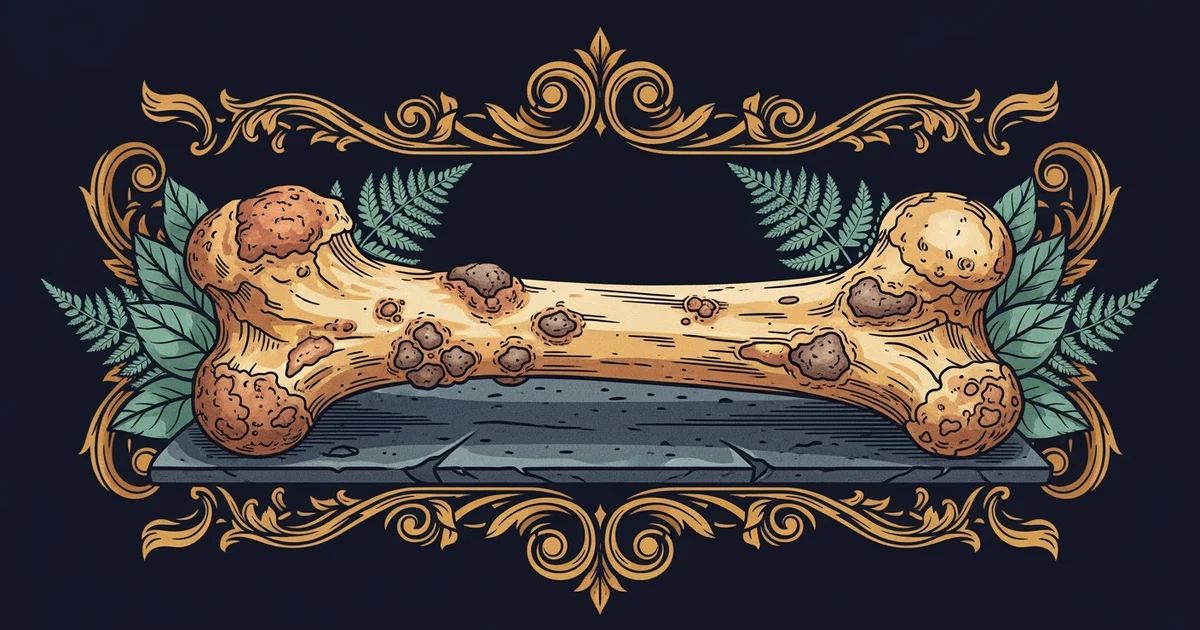
When a disease affects the body, it often leaves a permanent signature on the skeletal structure that we can analyze today. These indicators appear as abnormal growths, holes, or thinning areas that differ significantly from the smooth texture of healthy bone. For instance, an infection might cause the bone to swell or create porous patches that look like tiny craters on the surface. These marks tell us that the person suffered from a condition that lasted long enough to alter their physical biology. We categorize these changes based on how they impact the overall strength and function of the skeleton over a long period.
Researchers look for three primary indicators when they examine ancient skeletal remains to determine the presence of past health issues:
- Porotic Hyperostosis creates a sponge-like texture on the skull, which usually signals that the individual suffered from severe iron deficiency or chronic anemia during their lifetime.
- Enamel Hypoplasia appears as horizontal lines on the teeth, indicating that the person experienced a period of malnutrition or illness while their teeth were still developing.
- Periosteal Reaction shows up as rough or raised bone patches, revealing that the body was fighting off a localized infection or experiencing trauma to the outer membrane.
| Condition | Primary Indicator | Likely Cause | Impact on Bone |
|---|---|---|---|
| Anemia | Porotic texture | Iron deficiency | Surface pitting |
| Malnutrition | Enamel lines | Poor diet | Dental grooves |
| Infection | Rough patches | Inflammation | Thickened crust |
These indicators act as a biological record that remains long after the soft tissues of the body have vanished. By reading these signs, we can piece together the challenges that ancient people faced in their daily struggle for survival. This evidence helps us understand which diseases were common and how they shaped human history across different regions. We are essentially reading the medical history of the past through the biology of the skeleton. This field of study allows us to look beyond written records to find the truth about human health in ancient times.
The physical marks found on ancient bones serve as a permanent biological record that allows us to reconstruct the health challenges faced by past human populations.
We will now move forward to explore how these biological findings fit into the broader historical context of ancient health and social development.