
Defining the Ancient Medical Record
The Science of Ancient Remains
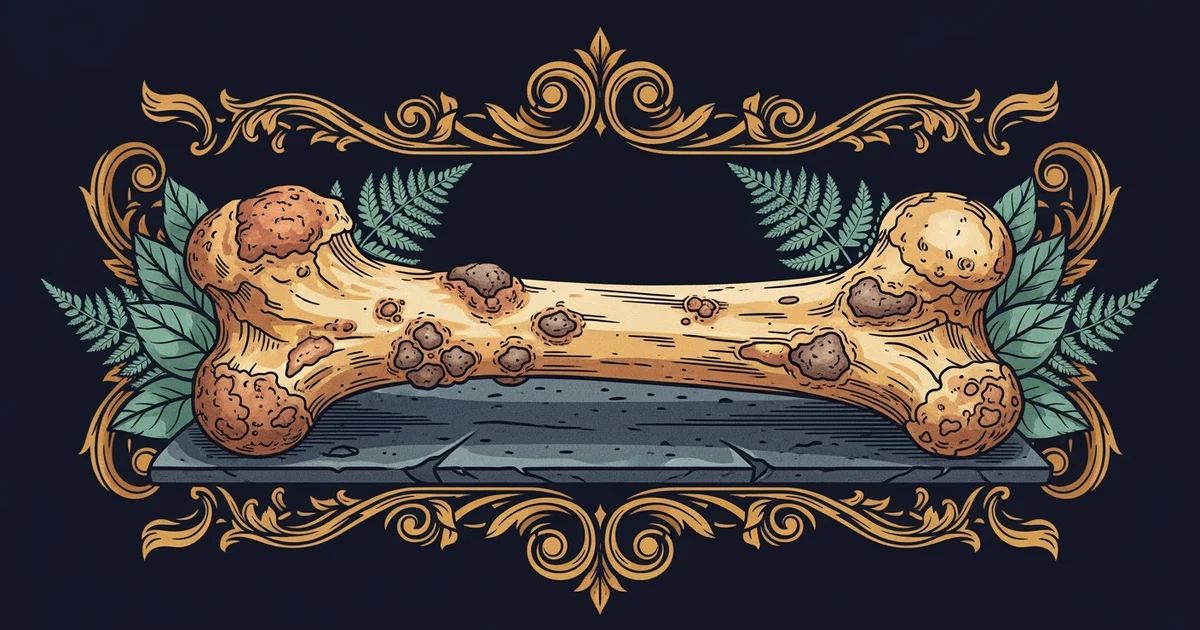
Paleopathology is the scientific study of ancient diseases in human remains. Researchers examine bones to learn about the health of past societies. This field helps us understand how our ancestors lived their daily lives. By looking at skeletal markers, we can track the evolution of human illness. It connects the history of biology with the study of human culture. Scientists use these clues to build a map of human health history. The evidence provides a deep look at how humans survived harsh environments. It is a vital tool for those who study our shared past.
Why Bones Hold History
Human bones are more than just a frame for the body. They act as a permanent record of the life of an individual. Bones constantly change throughout a person's life due to growth and injury. When a person suffers from a long illness, the bone structure changes. These changes remain visible even after thousands of years have passed. Because bones survive well in most soil types, they are perfect for study. We can see signs of stress, infection, and even physical violence. Every skeleton tells a unique story about the person who lived before.
The Role of Medical Evidence
Medical science relies on the study of tissues to diagnose various conditions. In the case of ancient remains, we look at mineralized bone tissue. This requires a sharp eye and a deep knowledge of human anatomy. Experts look for abnormal growths or holes that indicate a specific disease. Some conditions leave very clear marks that are easy to identify today. Other illnesses are more subtle and require advanced tools for proper diagnosis. By comparing these marks to modern cases, we gain better diagnostic accuracy. This process helps us build a timeline of when certain diseases appeared.
Understanding Disease Evolution
Disease is not a static thing that stays the same forever. It changes as humans move, trade, and live in larger crowded groups. Paleopathology allows us to see when these shifts happened in the past. We can track the spread of infections as trade routes expanded globally. This provides context for how modern pandemics might behave in the future. It teaches us that human health is linked to our social choices. By studying the past, we become better at protecting our future health.
Tools for Modern Investigation
This visual shows the path from a raw sample to a firm diagnosis. Scientists start with simple visual checks before using high-tech tools. Each step adds another layer of certainty to the final research findings. We use these methods to ensure that our conclusions are based on facts. Technology helps us see things that were hidden for many centuries.
The Impact of Agriculture
When humans began farming, their health changed in many drastic ways. People started living in permanent settlements with their domestic animals nearby. This proximity to animals allowed new diseases to jump into human populations. We see this in the skeletal record through increased signs of infection. Farmers also relied on a limited diet compared to earlier hunter-gatherers. This led to specific nutritional markers that we can still see today. Agriculture changed our diet, our work, and our overall physical health profile.
The Future of the Field
As we look forward, new technology will reveal even more secrets. Genetic research is changing how we identify ancient bacteria and viruses today. We are now able to sequence the DNA of pathogens from ancient bones. This gives us a much clearer picture of how diseases once spread. The combination of skeletal analysis and molecular science is very powerful. It ensures that paleopathology remains a central part of modern archaeological research. We are only just beginning to understand the full history of disease.