
Experimental Reconstruction
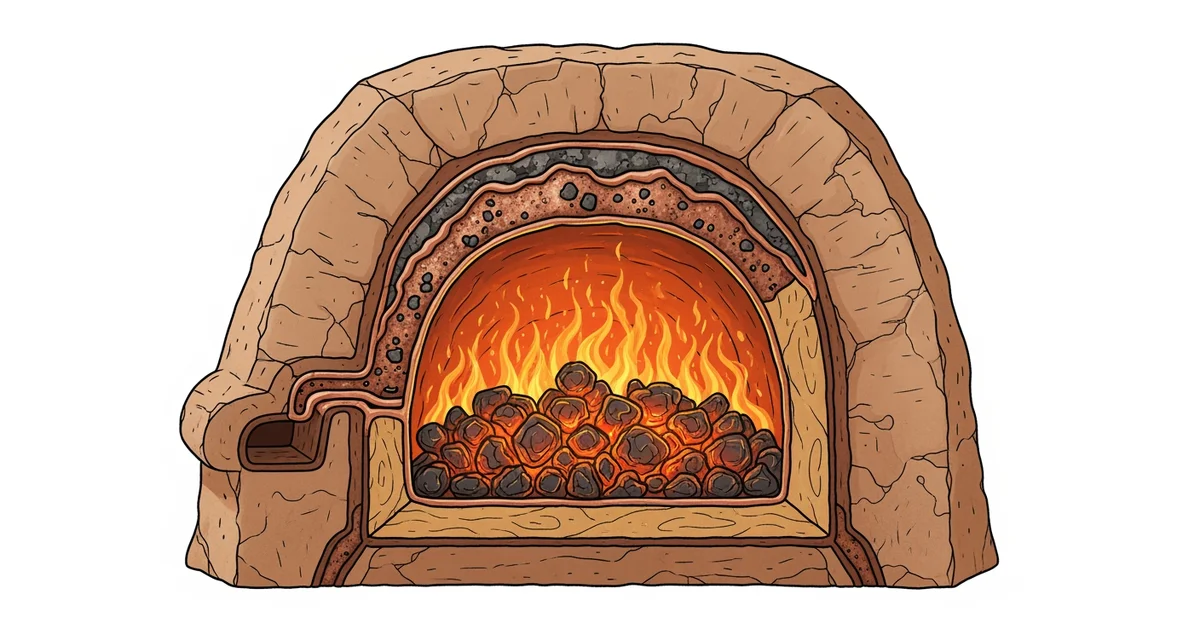
Imagine you are standing before a cold, stone furnace that has not been lit for two thousand years. How can you possibly understand the intense heat and the rhythmic bellows that once powered this ancient engine of production? You must step into the role of a maker to bridge the gap between static artifacts and the dynamic process of creation. This hands-on approach, known as Experimental Reconstruction, allows us to test theories about ancient metal production by building and operating replicas of historical smelting equipment in a controlled setting.
The Logic of Replicating Ancient Metallurgy
When we look at ancient metal objects, we often see only the finished product rather than the complex labor required to make them. Experimental archaeology acts as a vital bridge between the archaeological record and our modern understanding of ancient technical skills. By attempting to replicate these objects, researchers uncover the hidden variables that are often lost to time. For example, the exact temperature required to reduce iron ore into usable metal is difficult to determine from a cold, abandoned furnace. We must account for airflow, fuel quality, and the specific chemical composition of the local ore to achieve success. Like a chef trying to recreate a secret family recipe without a written guide, we must adjust our ingredients and methods until the result matches the original artifact.
Key term: Experimental Reconstruction — the scientific practice of building and testing replicas of ancient tools or processes to verify historical theories about past technology.
This process of trial and error is far more than just a hobby for history enthusiasts. It is a rigorous scientific method that subjects our hypotheses to the harsh realities of physical chemistry. If a proposed method for smelting copper fails to produce metal, we know our theoretical model of the past is incomplete or incorrect. We must then return to the archaeological evidence to identify what we missed in our initial assessment. This iterative cycle forces us to confront the limitations of our knowledge while providing a tangible way to test the social structures discussed in previous stations. We learn that ancient metalworkers were not just laborers but highly skilled engineers who managed complex variables with limited resources.
Designing and Testing Furnace Theories
To effectively test these theories, researchers must carefully design experiments that mirror the conditions of the past while maintaining modern safety standards. The furnace itself is the most critical piece of equipment in this study. It must be constructed using materials that would have been available to the original culture, such as local clay, straw, and water. By documenting every stage of the build, we gain insight into the amount of labor and time required for such a project. This data helps us understand the social organization of ancient societies, as it reveals how many people were needed to maintain a consistent smelting operation.
| Variable | Modern Control | Ancient Equivalent |
|---|---|---|
| Fuel | Hardwood charcoal | Locally sourced wood |
| Airflow | Manual bellows | Human-powered bellows |
| Ore | Purified minerals | Raw earth minerals |
| Heat | Digital sensors | Visual color change |
The table above highlights the shift from modern precision to the intuitive, sensory-based methods used in antiquity. While we use digital sensors to record data, the ancient metalworker relied on the color of the flame and the sound of the furnace to gauge internal conditions. This difference is significant because it shows that ancient technology was deeply tied to human experience and sensory feedback. By attempting to replicate these conditions, we learn to appreciate the high level of expertise required to consistently produce high-quality metal without modern instruments. We are not just testing a furnace; we are testing the limits of human ingenuity and our own ability to interpret the past.
Applying the scientific method to historical reconstruction transforms our understanding of ancient objects from static relics into evidence of a dynamic, lived technological experience.
By integrating these hands-on findings, we can finally move toward a more comprehensive vision of how ancient civilizations shaped their future through the mastery of metal.