
Defining Archaeometallurgy
Imagine holding a rusted iron nail from a buried chest found in a deep, dark forest. While the object looks like simple scrap metal to the naked eye, it actually holds a complex story about the people who made it. You are looking at a puzzle piece that links human history with the science of how we change raw earth into useful tools. This field of study is called archaeometallurgy, and it focuses on how ancient people extracted, refined, and shaped metals for their survival.
The Science of Ancient Metal Production
When we study these metal artifacts, we are not just looking at old objects sitting in a display case. We are investigating the entire process of production, starting from the moment a miner first struck a rock to find ore. This work requires us to think like chemists, geologists, and historians all at the same time. By looking at the chemical makeup of a copper axe or a bronze ring, we can determine where the raw materials were sourced. This reveals trade routes that connected distant groups of people, showing us that ancient societies were much more linked than we once thought.
Key term: Archaeometallurgy — the scientific study of how ancient human cultures produced, processed, and utilized metal objects throughout history.
Think of this process like baking a complex cake without a recipe book. You have to find the right ingredients, heat them to the perfect temperature, and use specific tools to shape the final product. If the temperature is too low, the metal will not melt properly. If the ingredients are impure, the tool will break when someone tries to use it. Archaeometallurgists examine the microscopic structures inside the metal to see if the ancient smiths successfully mastered these difficult chemical challenges.
Understanding Social Structures Through Metal
Beyond the technical side, metal tells us a great deal about the social status of the people who owned these items. In many past cultures, owning a shiny bronze sword or a gold ornament was a symbol of immense wealth and power. Because metal production required specialized skills and rare resources, only the elite could afford to control the supply. We can see these power dynamics by mapping where high-quality metal goods appear in the archaeological record compared to common stone tools.
To understand the development of these technologies, we look at the following stages of production:
- Ore Extraction involves the physical labor of mining rocks from deep underground, which required organized work groups and significant planning by community leaders.
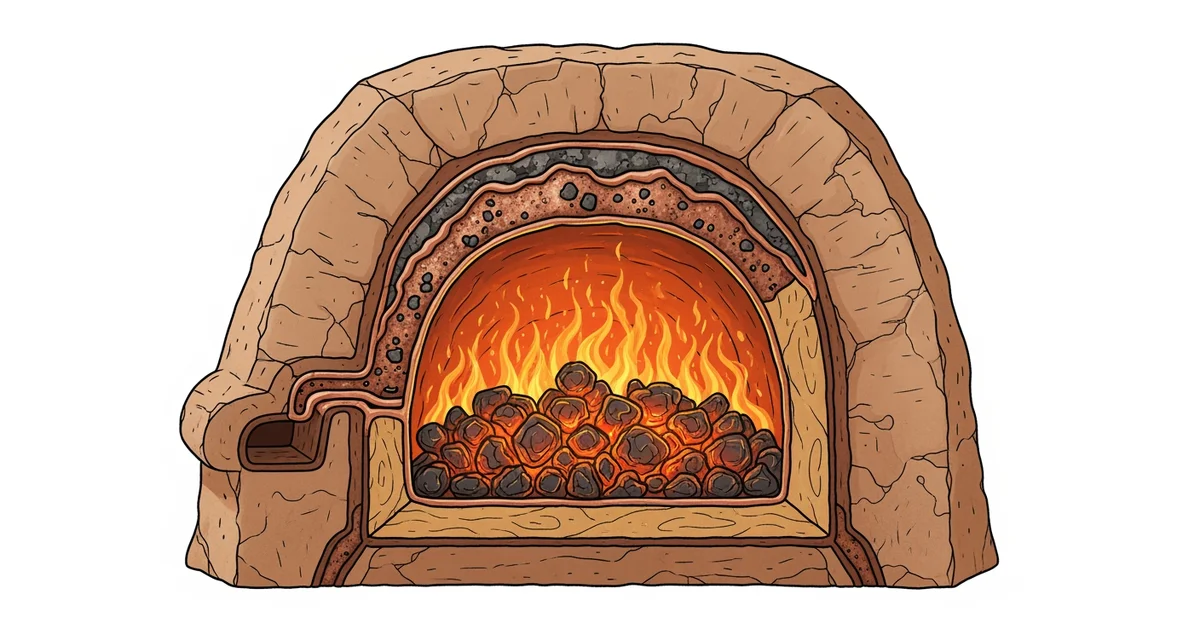
- Smelting Operations use intense heat to separate pure metal from waste rock, a process that demanded deep knowledge of fuel sources like charcoal and wood.
- Metal Casting allows smiths to pour molten liquid into molds, creating identical shapes that could be traded or used for specialized tasks like farming or war.
- Finishing Processes involve hammering or polishing the surface, which adds strength to the metal while also creating beautiful designs that signal the owner's status.
| Metal Type | Primary Use | Social Indicator | Difficulty Level |
|---|---|---|---|
| Copper | Basic tools | General usage | Moderate |
| Bronze | Weapons | High status | Very High |
| Iron | Agriculture | Utility | Extremely High |
By comparing these items, we can see how technology changed the way people lived their daily lives. A village that moved from stone tools to bronze tools suddenly gained the ability to farm more land and defend their homes more effectively. This transition represents a major leap in human capability that shaped the course of our collective history. By the end of this learning path, you will understand how ancient metalwork serves as a primary record of human ingenuity and social change.
Archaeometallurgy connects the chemical analysis of raw materials to the broader understanding of how ancient societies organized their labor, trade, and power structures.
This foundation allows us to explore how the very first metal ages transformed human civilization forever.