
Provenance Studies
When a gold coin from a Roman shipwreck is found, experts often struggle to determine if it was minted in Italy or a distant province. This is a real-world puzzle that requires more than just looking at the stamp on the metal surface. Archaeometallurgists use scientific methods to look beneath the surface and identify the chemical signatures of the ore used to make the object. By studying the atomic structure of the metal, they can trace it back to the specific mountain range where the miners first dug it out of the ground. This process relies on tiny variations in lead isotopes which act like a unique fingerprint for each mining site. This is the provenance studies concept from Station 12 working in real conditions to solve historical mysteries.
The Science of Chemical Fingerprinting
To understand how we track metal, we must look at the way nature creates unique mineral deposits. Every mine contains a specific ratio of lead isotopes, which are atoms of the same element with different weights. These ratios remain constant throughout the smelting process and do not change when the metal is melted down into new shapes. Think of these isotopes like the specific brand of ink used in a printing press. Even if you change the paper or the font, the chemical composition of the ink stays the same. By measuring these ratios, scientists can compare the artifact to known samples from ancient mines across the Mediterranean world. If the ratios match, the mystery of the artifact's origin is solved.
Key term: Lead isotope analysis — a scientific method used to identify the geological source of metal by measuring the specific ratios of lead atoms found within an artifact.
This method allows us to build a map of ancient trade routes that would otherwise remain invisible to historians. When we find a bronze statue in a Greek temple that matches a mine in Cyprus, we prove that trade networks were far more complex than we once thought. The following table shows how different regions produce distinct isotope signatures that help researchers categorize findings:
| Region | Primary Metal | Isotope Range | Trade Status |
|---|---|---|---|
| Cyprus | Copper | High-Lead | Export Hub |
| Spain | Silver | Low-Lead | Imperial Source |
| Britain | Tin | Variable | Remote Supply |
Connecting Artifacts to Ancient Landscapes
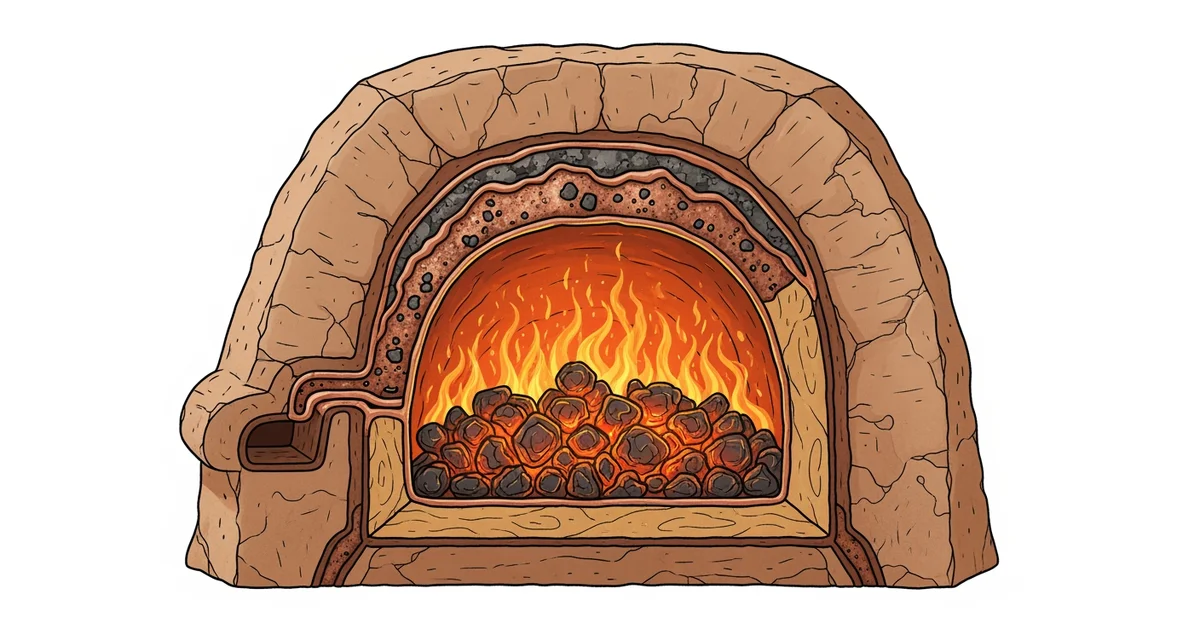
Once the chemical signature is established, researchers must correlate that data with archaeological evidence from the physical landscape. Mining sites often leave behind slag heaps, which are the discarded waste products of the smelting process. By testing the slag from a specific site, we can confirm that the isotope signature matches the metal found in finished goods. This creates a closed loop of evidence that connects the raw earth to the finished product. Without this connection, the isotope data would just be numbers without a clear historical context. We are essentially rebuilding the supply chain of the ancient world by analyzing the chemical waste left behind by those early metal workers.
Tracking these materials requires a high level of precision because contamination can easily ruin the results. Modern metals or even soil minerals can introduce foreign atoms into the sample during the testing phase. Scientists must clean every object thoroughly before they place it inside a mass spectrometer for analysis. This machine measures the weight of the atoms with extreme accuracy to ensure the data is reliable. Even a tiny error in the cleaning process can lead to a false match with the wrong mine. This level of rigor ensures that our understanding of ancient economies is based on solid, repeatable, and verifiable scientific facts.
Provenance studies use the unique chemical signatures of raw materials to map the movement of goods across ancient trade networks.
But this model breaks down when ancient smiths recycled old metal, which blends multiple isotope signatures into a single confusing result.