
Subgrade and Foundation Design
A heavy train thundering down the tracks relies on the ground beneath it to stay upright. If the soil shifts or compresses under that massive weight, the entire rail network faces a dangerous collapse.
Understanding Soil Stability and Load Paths
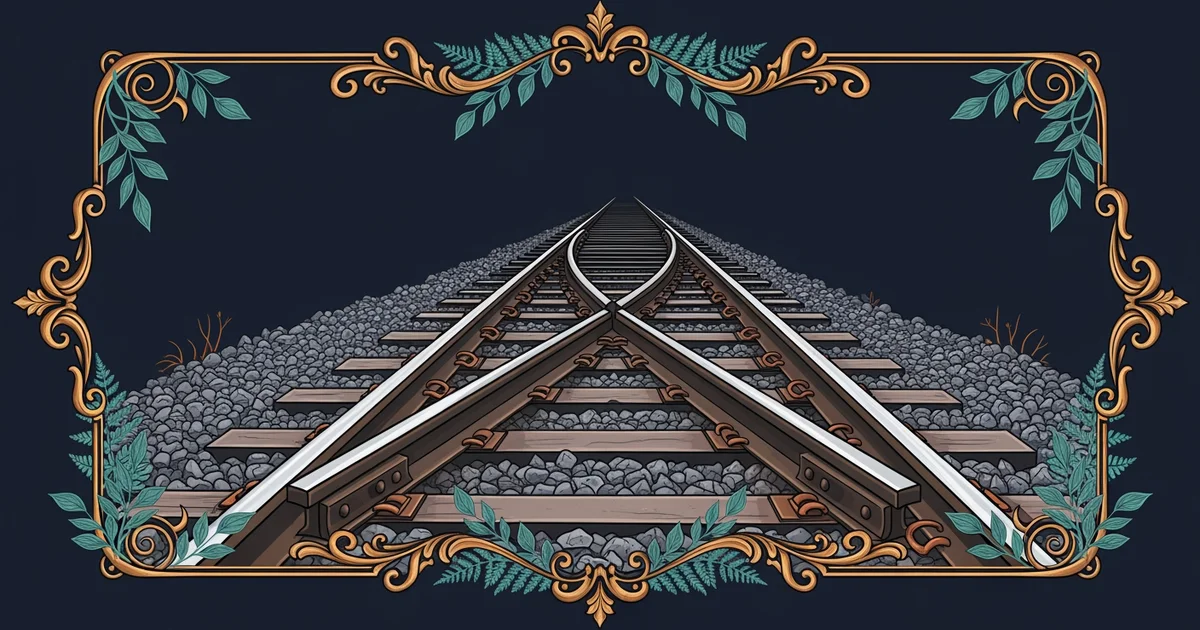
Railway engineers must ensure that the earth supports thousands of tons without moving even a single millimeter. This process starts with the subgrade, which is the natural soil layer that forms the very base of the entire track structure. When a train passes over the rails, the weight travels through the steel, into the wooden or concrete ties, and finally down into the ballast. The ballast acts like a firm mattress that distributes this massive force over a wider area of the subgrade. If the soil is too soft or saturated with water, it will deform under the load. This deformation creates uneven track geometry, which leads to bumpy rides or potential derailments. Engineers analyze the soil composition to determine if it can handle the pressure or if it needs mechanical help to stay stiff.
Think of the track structure like a person standing on a sandy beach while wearing snowshoes. The snowshoes represent the ballast and foundation layers, which spread the weight of the person across a large surface area. Without those wide shoes, the person would sink deep into the soft sand with every single step they take. The subgrade acts as the sand, while the ballast acts as the snowshoes, protecting the ground from the concentrated weight of the train. If the sand is very loose, the person might still sink even with the shoes on their feet. In that case, the engineer must replace the sand with something stronger or pack it down to increase its density.
Strengthening the Foundation for Heavy Traffic
When the natural ground cannot support the required load, engineers must intervene to improve the structural integrity of the site. They use several methods to reinforce the soft ground and prevent long-term settling of the tracks. The goal is to create a stiff, uniform platform that resists the constant vibration and heavy pressure of passing trains. These methods often involve changing the physical properties of the soil or inserting artificial layers to manage the stress. By carefully choosing the right reinforcement, engineers can build reliable lines across difficult terrain like swampy marshes or loose, sandy soils.
Common techniques for ground improvement include the following methods:
- Geosynthetics are special plastic fabrics placed between the soil and the ballast to separate materials and provide extra stability against sliding. These layers prevent the ballast from sinking into the soft mud below, which keeps the track level over many years of heavy use.
- Soil stabilization involves mixing the existing ground with lime or cement to turn loose dirt into a hard, rock-like material. This chemical process bonds the soil particles together, creating a solid base that resists water damage and heavy weight.
- Deep foundation piles are long columns driven deep into the earth until they hit solid bedrock or very dense soil layers. These piles transfer the weight of the track directly to the stable bottom layers, bypassing the weak surface soil entirely.
Key term: Ballast — the layer of crushed stone placed under railway ties to provide drainage and distribute weight evenly to the subgrade.
Engineers must also manage water drainage around the foundation to keep the soil dry. Water is the primary enemy of a stable railway because it turns solid earth into a soft, unstable slurry. Proper drainage systems prevent the ground from becoming waterlogged during heavy rainstorms or seasonal thaws. When the soil remains dry, it maintains its strength and continues to support the heavy loads of the train network safely. By combining good drainage with modern reinforcement, engineers ensure that the massive steel networks stay secure across any landscape.
Designing a stable railway foundation requires balancing soil strength with load distribution to prevent the track from sinking under heavy traffic.
The next Station introduces signaling and safety systems, which determine how traffic flow is managed once the track foundation is secure.